Advertisement






What really powers the cloud? Behind every Google search, A...
A lot of what defines a home isn’t visible at handover. I...
Private equity has played a significant role in shaping Indi...
Luxury real estate is one of the most talked-about segments ...
Airports play a much bigger role than just enabling travel -...
04 Jul 2026
Andheri West has evolved from a collection of distinct residential pockets into one of Mumbai's most integrated and mature urban markets, supported by sustained infrastructure development and strong connectivity. According to Parthh K. Mehta, CMD of Paradigm Realty, projects such as the Mrinal Tai Gore Road, Metro Lines 1 and 2A, road upgrades, and the upcoming Bandra–Versova Sea Link and Coastal Road extensions are enhancing accessibility across the western suburbs. The locality's established social infrastructure, proximity to major employment hubs, and premium residential ecosystem continue to support demand and capital appreciation across micro-markets including Versova, Lokhandwala, Oshiwara and Four Bungalows. With redevelopment, limited land availability and long-term infrastructure investment, Andheri West is positioned as one of Mumbai's most resilient and well-established residential destinations.Read more

04 Jul 2026
Goregaon East has emerged as one of the Mumbai Metropolitan Region's fastest-growing commercial micro-markets, driven by robust infrastructure, multimodal connectivity and an expanding mixed-use ecosystem. Once primarily residential, the locality now combines Grade-A office spaces, retail, hospitality and housing, attracting corporates, technology firms and investors. Improved connectivity through the Western Express Highway, Metro Lines 2A and 7, the Mrunal Tai Gore Flyover and upcoming infrastructure projects has strengthened its appeal. Backed by established employment hubs such as NESCO IT Park and Film City, along with strong rental demand and long-term investment potential, Goregaon East is evolving into a prominent business district for modern enterprises.Read more
04 Jul 2026
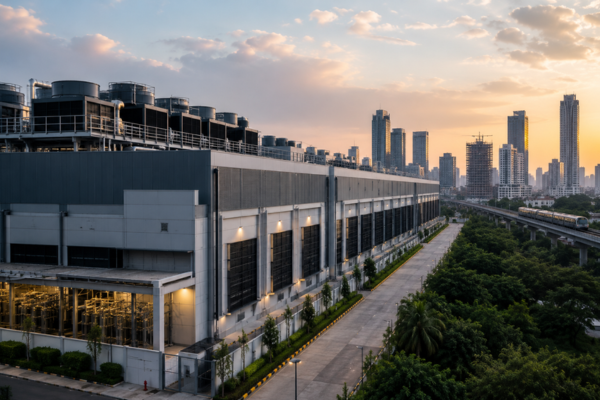
India's expanding data centre sector is emerging as a major force influencing urban land use, commercial development and investment patterns. As demand for digital infrastructure accelerates, developers are increasingly competing for power-rich, well-connected sites traditionally used for offices and industrial projects. The trend is also driving growth in tier-II cities, supporting ancillary real estate such as warehousing, telecom infrastructure and workforce housing. While data centres present new investment opportunities, they also raise critical planning challenges around power, water and land allocation, making them an increasingly important consideration in the future development of India's cities.Read more
04 Jul 2026
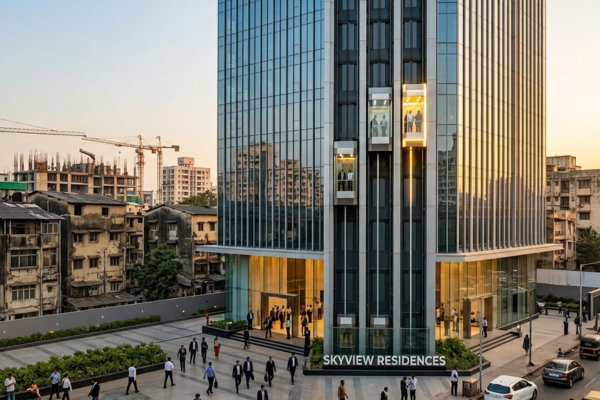
India's redevelopment boom is reshaping urban landscapes while driving strong demand for advanced vertical mobility solutions across major cities such as Mumbai, Pune, Thane and Delhi NCR. As ageing low-rise buildings give way to taller residential, commercial and mixed-use developments, developers are increasingly investing in high-performance elevator systems that improve efficiency, safety and user experience. The trend is accelerating the adoption of smart, energy-efficient and space-saving technologies, while also boosting elevator modernisation in existing buildings. As cities continue to build vertically, modern vertical transportation is becoming a fundamental element of redevelopment-led urban growth.Read more
28 Jun 2026
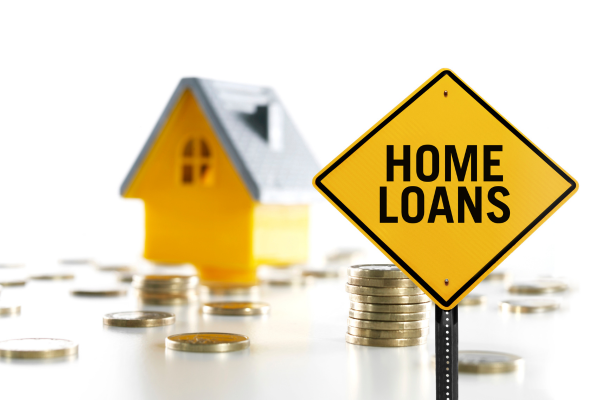
As India’s housing loan market expands and homebuyers take on larger long-term financial commitments, industry attention is increasingly shifting from headline interest rates to loan transparency. Borrowers are being encouraged to evaluate the full structure and terms of housing finance products, including benchmark linkages, reset mechanisms and repayment conditions, rather than focusing solely on advertised rates. The discussion has gained relevance amid evolving lending practices and regulatory efforts to improve disclosure standards through measures such as the Reserve Bank of India’s expanded Key Fact Statement framework. With outstanding housing loans in India growing from around INR 10 lakh crore in 2015 to more than INR 37 lakh crore in 2025, transparency is emerging as a critical factor in helping borrowers assess affordability, understand risks and make informed long-term financial decisions.Read more
Advertisement






28 Jun 2026
Nerul has emerged as one of Navi Mumbai's most resilient residential micro-markets, driven by its planned urban development, multimodal connectivity, robust social infrastructure and consistent housing demand. Supported by major infrastructure projects, including the Atal Setu, Navi Mumbai International Airport and upcoming Metro Line 8, the locality continues to attract both homebuyers and investors. Its balanced mix of residential communities, quality housing developments, green spaces and stable rental demand has positioned Nerul as a preferred destination within the Mumbai Metropolitan Region, reflecting changing buyer preferences towards integrated, future-ready urban living.Read more
28 Jun 2026
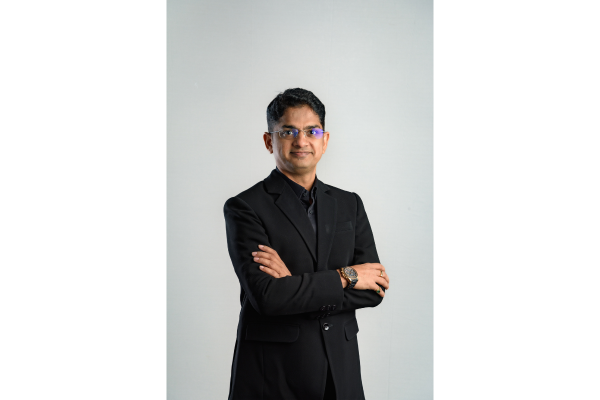
Mumbai's commercial real estate market is increasingly witnessing a flight towards Grade A office assets as occupiers and investors prioritise quality, operational efficiency, talent attraction and long-term value creation over upfront cost savings. While businesses may begin in Grade C buildings and often transition through Grade B assets, evolving workplace requirements, stronger investment fundamentals and changing occupier expectations are driving sustained demand for premium commercial developments across the city's key office corridors.Read more
28 Jun 2026
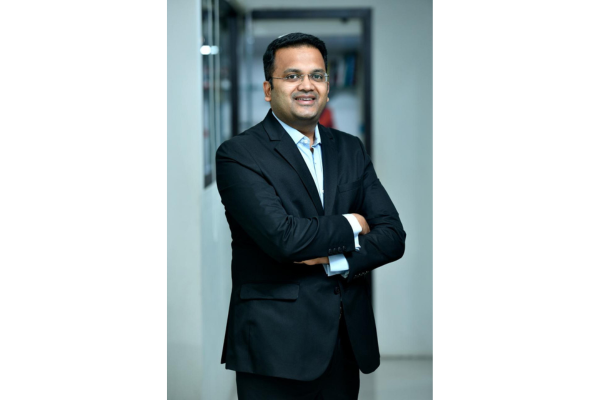
As competition for talent intensifies, organisations are increasingly recognising that workplace quality plays a critical role in attracting, engaging and retaining employees. Factors such as indoor air quality, ventilation, natural lighting, thermal comfort and sustainability credentials are becoming key considerations in office selection. Developers and occupiers alike are prioritising healthier, wellness-focused work environments that support productivity, employee satisfaction and long-term business performance, driving a significant shift in India's commercial real estate landscape.Read more

27 Jun 2026
India’s residential market is witnessing a significant shift in buyer behaviour, with purchasing decisions increasingly influenced by lifestyle aspirations, wellness, sustainability, technology and long-term value creation rather than price and location alone. Younger, investment-oriented buyers are driving demand for larger homes, integrated communities and future-ready developments. Rising interest in smart homes, green features, open spaces and senior living is prompting developers to redesign projects around holistic living experiences. As buyers become more informed and selective, transparency, timely delivery and trust are emerging as critical decision-making factors. The trend signals a broader transition from affordability-led purchases to value-driven homeownership across Indian housing markets.Read more
27 Jun 2026
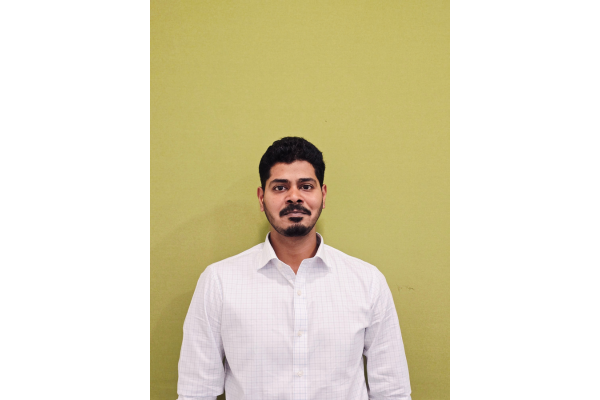
Homebuyer preferences in urban India are evolving beyond traditional considerations such as location, budget and connectivity. Changing lifestyles, hybrid work, wellness, sustainability and integrated communities are increasingly influencing residential purchase decisions. As buyers become more informed and quality-conscious, developers are being encouraged to create flexible, future-ready living environments that prioritise convenience, community and long-term value, reflecting a broader shift in the country's housing market.Read more
Advertisement









