Advertisement






What really powers the cloud? Behind every Google search, A...
A lot of what defines a home isn’t visible at handover. I...
Private equity has played a significant role in shaping Indi...
Luxury real estate is one of the most talked-about segments ...
Airports play a much bigger role than just enabling travel -...
27 Jun 2026
As India advances towards its net-zero emissions target by 2070 and seeks to reduce carbon intensity by 45 per cent by 2030, the role of Mechanical, Electrical and Plumbing (MEP) engineering is becoming increasingly important in the built environment. Modern MEP systems are no longer limited to supporting building operations but are emerging as key drivers of energy efficiency, water conservation, indoor environmental quality and digital building management. From integrating renewable energy systems and intelligent automation to enabling green building certifications, MEP engineering is helping developers create resource-efficient and future-ready assets. As cities expand and sustainability regulations become more stringent, the sector is expected to play a central role in shaping the next generation of urban infrastructure.Read more

21 Jun 2026
India’s premium residential market is undergoing a structural transformation, with affluent buyers increasingly prioritising lifestyle ecosystems, long-term value creation and specialised advisory services over conventional property acquisition. Supported by infrastructure development, expanding urban corridors and technology-led economic growth, cities such as Kolkata, Hyderabad and Bengaluru have emerged as key luxury housing destinations. Industry participants note that demand is shifting towards wellness-oriented communities, low-density developments and master-planned residential environments that integrate connectivity, work and lifestyle requirements. Against this backdrop, luxury real estate advisory firms are moving away from inventory-driven sales models and adopting data-led consulting approaches that focus on personalised solutions, transparency and long-term wealth preservation for high-net-worth buyers.Read more

21 Jun 2026
Luxury housing preferences in Mumbai are evolving beyond traditional markers of status and exclusivity towards convenience, connectivity, wellness and long-term value creation. Increasingly, homebuyers are prioritising locations that offer proximity to workplaces, healthcare facilities, educational institutions, retail destinations and recreational amenities. The growing relevance of the 15-minute city concept is influencing residential decisions across the city, with micro-markets such as Kalanagar in Bandra East emerging as preferred destinations due to their strong infrastructure, connectivity and lifestyle ecosystem. Alongside wellness-focused living and access to sports facilities, investment potential supported by infrastructure growth and rising property values is also shaping buyer preferences in Mumbai’s luxury residential market.Read more

20 Jun 2026
Plotted developments are witnessing increasing demand across the National Capital Region (NCR) as homebuyers and investors seek greater flexibility, long-term value appreciation and independent ownership. The trend is particularly visible in emerging markets such as Sonipat and Kundli, where infrastructure projects, improved connectivity and growing economic activity are driving residential interest. Unlike conventional apartments, plotted developments provide buyers with the freedom to design and construct homes according to their requirements while benefiting from lower maintenance costs and phased investment options. Organised plotted communities are also gaining popularity due to the availability of planned infrastructure, security and amenities. As major road and connectivity projects reshape the region, land ownership is increasingly being viewed as a strategic long-term real estate investment.Read more

20 Jun 2026
India’s real estate sector is witnessing a shift in how brands are built and perceived. While location, pricing and marketing continue to influence purchase decisions, buyers are increasingly evaluating developers based on credibility, transparency, delivery performance and governance standards. The rise of digital information, regulatory reforms and growing consumer awareness has encouraged greater scrutiny of developer track records. As a result, real estate branding is evolving from a marketing-led exercise into a reputation-driven strategy centred on customer experience, accountability and long-term value creation. Developers that consistently deliver projects on schedule, maintain transparent communication and prioritise buyer trust are increasingly positioned to strengthen their market standing in an increasingly competitive environment.Read more
Advertisement






13 Jun 2026
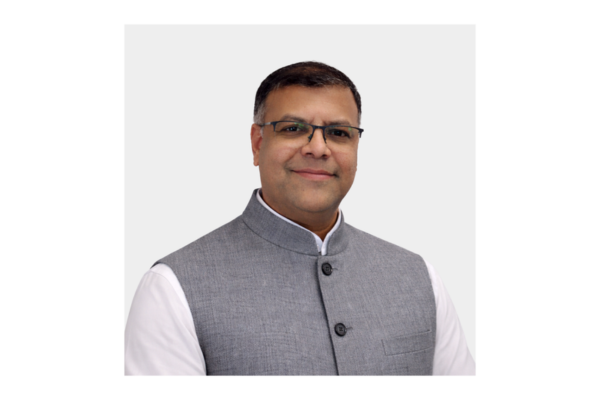
India's senior living sector is witnessing a shift from a care-centric model to one that increasingly incorporates sustainability, environmental responsibility and climate resilience. As older adults seek greater independence, social engagement and improved quality of life, the physical environment is becoming a key consideration in residential communities. Rising temperatures, extreme weather events and pressure on natural resources are also highlighting the need for climate-responsive infrastructure tailored to the needs of an ageing population. According to Rajagopal G, Co-Founder and CEO of Lifebridge Group, senior living developments must integrate green spaces, energy-efficient systems, resilient infrastructure and technology-enabled services to support both well-being and long-term sustainability. The article argues that future-ready senior living communities will require collaboration among developers, healthcare providers, policymakers and urban planners to address both ageing and climate challenges.Read more
07 Jun 2026
A growing preference for health, wellbeing and lifestyle quality is reshaping Mumbai’s luxury residential market, giving rise to a new category of affluent buyers increasingly referred to as “wellthy” homebuyers. While location, exclusivity and investment value remain important considerations, homebuyers are placing greater emphasis on wellness-oriented features such as natural ventilation, green spaces, indoor air quality and integrated lifestyle amenities. This shift is influencing project design, location preferences and development strategies across the city. Developers are incorporating sustainable infrastructure, biophilic design elements and health-focused technologies into residential projects as buyers seek homes that support physical comfort, mental wellbeing and work-life balance. The trend is also contributing to stronger demand for projects offering long-term liveability and environmentally conscious design.Read more
31 May 2026
• Bhugaon, located in Mulshi taluka under PMC jurisdiction, is witnessing increasing residential demand as infrastructure expansion strengthens Pune’s western growth corridor.
• Improved connectivity through Paud Road, the Mumbai–Pune Bypass and the proposed Missing Link project on the Mumbai–Pune Expressway is expected to enhance accessibility between Pune and Mumbai.
• Developers are increasingly focusing on integrated township projects in the micro-market, driven by demand for larger homes, green surroundings and lower-density living environments.
• Residential demand in Pune’s western suburbs has been supported by price appreciation, growing housing absorption and preference for lifestyle-led township developments.
• Large-format developments such as Paranjape Schemes’s Forest Trails township are contributing to Bhugaon’s emergence as a developing residential cluster in western Pune.Read more

31 May 2026
Infrastructure development is playing a major role in reshaping Andheri’s commercial real estate market, with improved metro and road connectivity making the suburb more accessible for businesses and employees. The expansion of metro corridors, including Metro Line 6, the Aqua Line, and Metro Lines 2A and 2B, is improving east-west and north-south connectivity across Mumbai. At the same time, projects such as the Mumbai Coastal Road and the Bandra–Versova Sea Link are reducing travel time and easing congestion. These developments are helping Andheri attract sustained office leasing demand, particularly from mid-sized firms and technology-driven businesses seeking efficient and well-connected office locations.Read more
24 May 2026
Panvel is emerging as one of the Mumbai Metropolitan Region’s most closely watched infrastructure-led growth corridors as large-scale connectivity projects and the upcoming Navi Mumbai International Airport reshape its long-term urban and economic significance. Industry stakeholders indicate that the region is gradually transitioning from a peripheral residential market into a larger airport-linked urban ecosystem, supported by transport infrastructure, planned development zones and expanding social infrastructure. Connectivity projects including the Mumbai Trans Harbour Link, Panvel-Karjat corridor, proposed metro links and multimodal transport corridors are improving accessibility across the region. At the centre of this transition is the Navi Mumbai Airport Influence Notified Area (NAINA), which is expected to support residential, commercial, logistics and institutional development around the airport ecosystem, positioning Panvel within India’s emerging aerotropolis-led urban growth model.Read more

Advertisement









