Advertisement






What really powers the cloud? Behind every Google search, A...
A lot of what defines a home isn’t visible at handover. I...
Private equity has played a significant role in shaping Indi...
Luxury real estate is one of the most talked-about segments ...
Airports play a much bigger role than just enabling travel -...
))
07 Jul 2026
As artificial intelligence, social media algorithms and digital platforms increasingly shape public discourse, distinguishing truth from persuasion has become more difficult than ever. This opinion piece examines how confirmation bias, targeted content and declining trust in institutions are influencing the way people consume information. While technology itself is not inherently harmful, the essay argues that human values, critical thinking and responsible journalism remain essential in navigating an era of competing narratives. It concludes that discernment is a continuous practice, beginning with the willingness to question, reflect and seek a broader understanding of the truth.Read more

19 Sep 2025
An Expression of Interest (EOI) is not a sale. A full-page ad is not a guarantee. A viral 'sold out in 48 hours' headline may be nothing more than clever timing and a cleverer spin. Urgency, experiences, and 'exclusive opportunities' are packaged like FOMO shots, quick, shiny, and designed to bypass your better judgement. You don't change your analysis because the music got louder. Hype will pass. Contracts will remain. Let the facts set the pace, not the reels. Let the basics guide your decision, not the glitz.Read more

22 Aug 2025
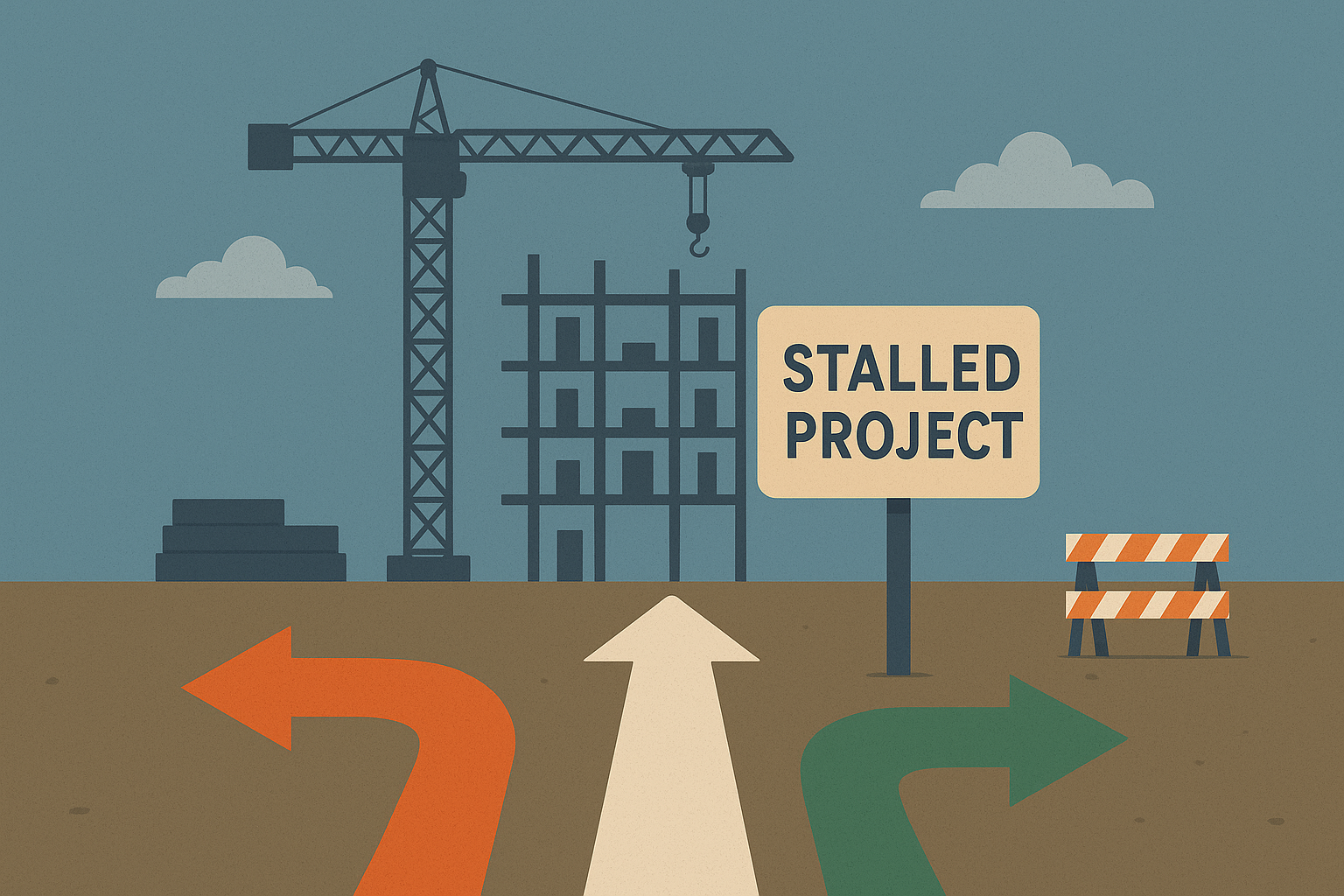
Even when finances are steady and paperwork is flawless, a home can remain stuck in a stalled project due to delays, mismanagement, or external setbacks. But this is not the end. RERA gives buyers the power to file complaints, seek refunds, demand compensation, or push for project completion. Other paths include consumer courts, arbitration, bankruptcy proceedings, and the Competition Commission of India. With schemes like SWAMIH also in place, buyers now have multiple avenues to recover investments and move forward.Read more
11 Jul 2025
Because when we tell that story right, we don't just build brands. We build belief. We foster trust, clarity, and a reason to truly stay.Read more

20 Jun 2025
Because in the end, real estate is never just about where we are.
It's about who we are becoming...Read more

05 Jun 2026

05 Jun 2026

05 Jun 2026

05 Jun 2026

05 Jun 2026

01 Aug 2026
The factors influencing residential values in Mumbai's luxury redevelopment market are evolving as large-scale infrastructure projects reshape the city's residential landscape. While location remains important, improved connectivity, integrated neighbourhoods, project design, sustainability and lifestyle amenities are increasingly influencing buying decisions. Premium redevelopment projects are gaining momentum as they combine modern housing with established social infrastructure, while government-led transport investments are expanding the appeal of emerging residential corridors. As homebuyers adopt a more comprehensive approach to evaluating properties, long-term liveability, operational efficiency and environmental performance are becoming important considerations alongside traditional location-based value.Read more

01 Aug 2026
Extreme rainfall events across Mumbai and Maharashtra have reinforced the need to integrate climate resilience into urban planning and infrastructure development. The article argues that cities must move beyond reactive responses and adopt long-term planning measures that address flooding, water scarcity and environmental degradation simultaneously. It advocates for greater use of rainwater harvesting, groundwater recharge, permeable surfaces and nature-based planning concepts such as Sponge Cities to improve urban resilience. It also calls for updated building regulations, smarter storm-water management, technology-led planning and stronger collaboration among governments, developers, planners, environmental experts and citizens. The article contends that sustainable urbanisation must balance economic growth with ecological resilience to create cities that are better prepared for the challenges posed by a changing climate.Read more

26 Jul 2026
As Mumbai faces increasing land scarcity and a growing population, redevelopment supported by Floor Space Index (FSI) has become central to meeting the city's housing needs. However, the focus should extend beyond maximising built-up area to creating well-planned, liveable communities. Using Mulund as an example, this opinion piece argues that strategic FSI utilisation, balanced density, adequate open spaces and supporting infrastructure can deliver sustainable urban growth while preserving residents' quality of life. It also highlights the importance of responsible redevelopment practices that prioritise long-term value over short-term gains, positioning Mulund as a model for Mumbai's next phase of planned urban development.Read more

26 Jul 2026
Infrastructure has long influenced the growth of residential markets, but its role is evolving from a catalyst for appreciation to a determinant of long-term project performance. This article examines how buyers, investors and institutional lenders are increasingly evaluating developments based on the reliability of surrounding infrastructure, including roads, drainage, utilities and regulatory readiness, rather than the project alone. It explores how execution delays, climate-related disruptions and infrastructure gaps can affect sales, resale liquidity, financing and developer reputation, making external infrastructure an increasingly important consideration in residential real estate valuation and investment decisions.Read more

25 Jul 2026
Transport infrastructure has long been the primary catalyst for residential growth, but the factors shaping successful neighbourhoods are becoming increasingly localised. This article examines how hyperlocal infrastructure—including schools, healthcare, retail, public transport, green spaces and everyday amenities—is emerging as a key determinant of long-term residential demand. It explores how technologies such as location intelligence, geospatial analytics and artificial intelligence are enabling developers, urban planners and homebuyers to identify future growth corridors by evaluating neighbourhood ecosystems rather than connectivity alone. As cities expand and urban lifestyles evolve, understanding the quality of local infrastructure is becoming essential for creating resilient communities, guiding investment decisions and delivering sustainable residential development.Read more
Advertisement






17 Feb 2025
Three key factors impact real estate business cycles: market sentiment, wealth perception, and disposable income. If the market sentiment is positive, disposable income is rising and wealth is appreciating, then its a shoo-in and we would be witnessing a boom. If two are positive, the market stays stable, but with only one, challenges arise. India's housing market saw record sales in H1 2024, but early 2025 faces economic uncertainties. A stock market downturn has eroded wealth and weakened confidence, signalling bearish sentiment. While tax incentives and repo rate cuts support home purchases, only one of the three key factors is in the green, suggesting that real estate demand may remain sluggish until there is an improvement in market stability and financial confidence.Read more

10 Feb 2025
Should residents bear the cost of amenities they do not use? Modern residential complexes increasingly offer extensive facilities, yet their construction and maintenance expenses are typically distributed equally among all residents, regardless of usage. This approach raises concerns of fairness, particularly for those who derive little to no benefit from such amenities. A more equitable solution lies in a usage-based model, where costs are allocated in proportion to actual consumption. This ensures sustainability, fosters responsible usage, and prevents unnecessary financial burden on non-users. Prospective homebuyers must carefully assess whether long-term costs align with their lifestyle rather than being swayed by amenities’ initial appeal.Read more
03 Feb 2025
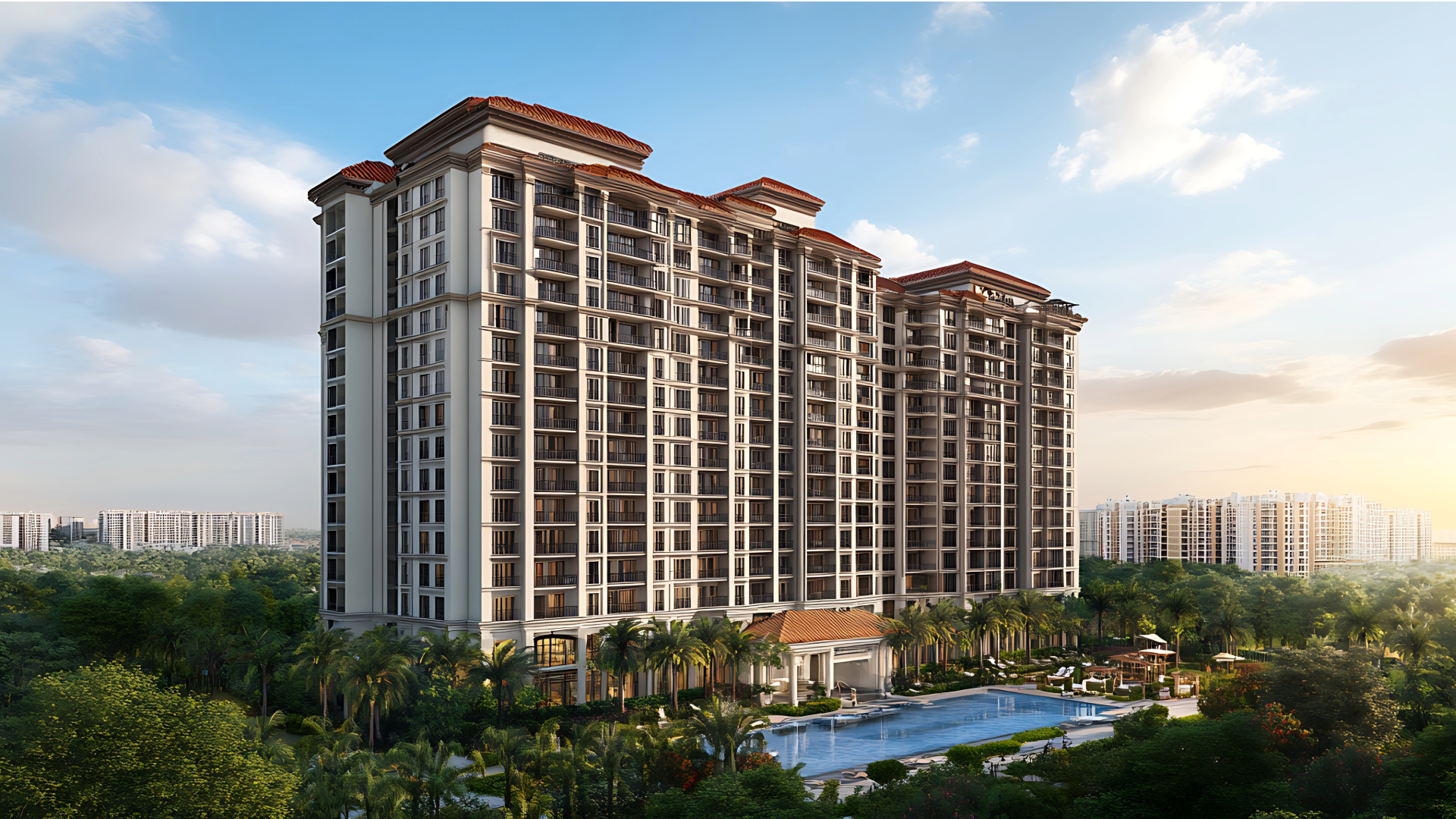
India has experienced a dramatic increase in vehicle ownership, rising from 7 million cars in the early 2000s to 30 million by 2020, with projections suggesting up to 60 million by 2030. This surge has prompted the evolution of parking solutions, shifting from traditional garages to advanced mechanised systems. However, these innovations often compromise user convenience and accessibility, particularly in luxury residential complexes. Enclosed garages remain the gold standard, while enclosed and open parking spaces with direct access are preferable to fully automated systems, which are costly and inconvenient. As electric vehicles (EVs) gain popularity, parking solutions that can adapt easily to future needs will hold greater value than mechanised alternatives reliant on technology.Read more

27 Jan 2025
The evolution of real estate promotion highlights the need for focused marketing strategies over traditional mass communication and generalized digital campaigns. While analog methods like billboards and digital media offer wide reach, they often result in wasted effort due to their "machine gun" approach, creating either a cacophony or white noise. Instead, real estate advertisers should target niche audiences through property expos, seminars, real estate-focused platforms, and influencer networks, such as architects or mortgage lenders, who interact closely with potential buyers. By aligning relevant messaging with receptive audiences, businesses can enhance brand awareness, drive meaningful engagement, and optimize conversions in the real estate sector.Read more

06 Jan 2025
An often overlooked aspect of any building is the vertical transportation systems it offers. It is seldom brought up when debating the merits and demerits of a property. Elevators, escalators, staircases, and moving walkways are some examples of vertical transportation found in residential and commercial buildings. As urban cities in India witness a rapid surge in high-rise constructions, it becomes crucial to understand the mechanics of vertical transportation systems within buildings. While educating users on basic practices-such as correctly operating lift buttons or avoiding regular lifts during a fire-would be ideal, the onus lies on builders and developers to implement essential safety measures.Read more

31 Jul 2026
Alternate Investment Funds (AIFs) is a privately pooled investment vehicle that collects funds from India and abroad for investing into asset classes with a defined policy. The concept was first introduced in India in 2012. Under AIF regulations issued by SEBI, funds can be classified into three categories. Real estate AIFs fall under category II.
30 Jul 2026
REITs are listed securities that provide derived ownership of rent-yielding real estate.
29 Jul 2026
Construction and demolition (C&D) waste refers to waste generated from construction, renovation, repair, and demolition of houses, large building structures, roads, bridges and dams. It also includes any surplus and damaged products and material arising through the course of construction work or used temporarily during the course of on-site activities. Materials found in C&D waste can be but are not limited to wood, steel, concrete, gypsum, masonry, plaster, metal, and asphalt. C&D waste can contain hazardous materials such as asbestos and lead.
28 Jul 2026
The finishing stage in the construction cycle is the process of completing the construction project. This includes painting, installing flooring, and completing any final touches. The finishing stage is critical as it ensures that the building is ready for occupancy. Finishing is a very labour intensive process which requires detailed project planning to ensure all activities are done in the right sequence to avoid any quality issues in the future.
27 Jul 2026
Configuration refers to the arrangements of different elements in a particular form or combination. In real estate, configuration refers to the arrangement of different rooms in a single unit (flat).
Willis Tower, once known as Sears Tower, isn't your average office building. It held the title of world's tallest building for 25 years, a true giant in the Windy City. Built in just 3 years for USD 1 ...
Read more
The Transamerica Pyramid is a pointy skyscraper that's become a recognisable symbol of San Francisco. This futuristic building, covered in white quartz and with over 3,000 windows, isn't just for show ...
Read more
Towering over the Kuwait City skyline, the Al Hamra Tower is an example of innovation and a proof of modern design. This skyscraper, constructed over six years at a cost of a reported USD 500 million, ...
Read more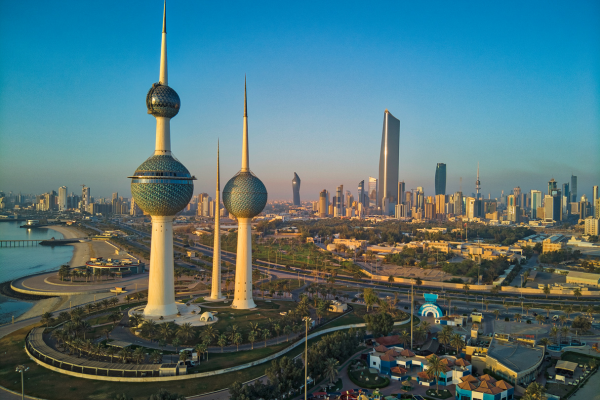
Marina Bay Sands Hotel in Singapore isn't your typical hotel – it's a luxurious integrated resort that's become a global phenomenon. This architectural masterpiece, designed by renowned architect Mo ...
Read more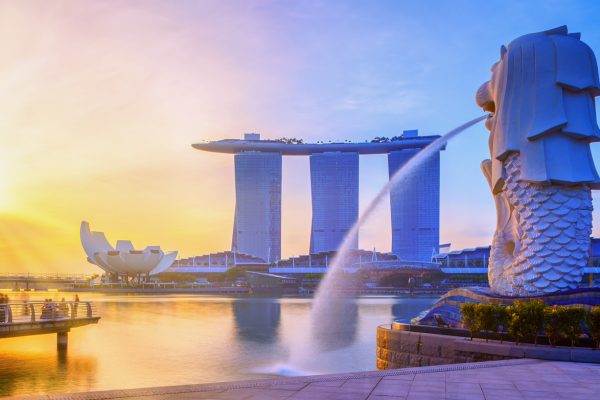
Moscow's business district features a unique sight: the Evolution Tower. Unlike the traditional architecture nearby, this neo-futurist marvel stands out with its twisted design, seemingly defying grav ...
Read more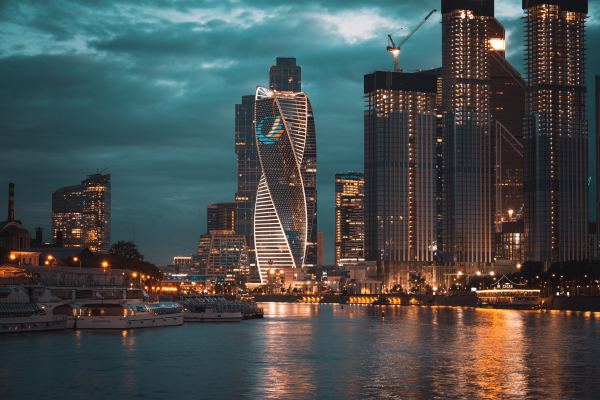
Advertisement









