Advertisement






What really powers the cloud? Behind every Google search, A...
A lot of what defines a home isn’t visible at handover. I...
Private equity has played a significant role in shaping Indi...
Luxury real estate is one of the most talked-about segments ...
Airports play a much bigger role than just enabling travel -...
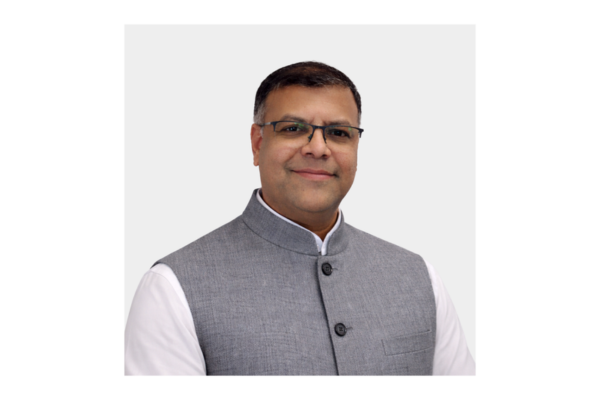
India's senior living sector is witnessing a shift from a care-centric model to one that increasingly incorporates sustainability, environmental responsibility and climate resilience. As older adults seek greater independence, social engagement and improved quality of life, the physical environment is becoming a key consideration in residential communities. Rising temperatures, extreme weather events and pressure on natural resources are also highlighting the need for climate-responsive infrastructure tailored to the needs of an ageing population. According to Rajagopal G, Co-Founder and CEO of Lifebridge Group, senior living developments must integrate green spaces, energy-efficient systems, resilient infrastructure and technology-enabled services to support both well-being and long-term sustainability. The article argues that future-ready senior living communities will require collaboration among developers, healthcare providers, policymakers and urban planners to address both ageing and climate challenges.
In the recent past, talks about senior living in India revolved mostly around care. Families were more concerned about the safety, health and support needed by the elders. Despite of these concerns, one can witness key and big changes happening around them. Many of the senior citizens are now wanting to move into places which provide them more than with care, independence and fun. The elderly population, that we see are into hobbies, love to travel, socialise and wish to spend their rest of their years in what makes them happy. Today, health and happiness are the most pivotal deciding factors.
Apart from these factors, unlike us, senior citizens are more vulnerable to climatic issues that are ratcheting up across India. Many areas in the country are experiencing hotter temperatures, worse heatwaves and other fluctuations in weather. Also, it can be observed that with the growing population there has been a drastic change in less access to clean water and other essentials.
Looking at the either side, one can paint an interesting picture of a place that today’s senior population require, a perfect balance of a place that puts an impetus on the physical environment. This is due to their increasing awareness of physical environment and its impact on quality of life. Hence the elders have expanded their choices from wanting better facilities, health care and safety along with a better physical environment to live.
Nature is a vital foundation for a human life. Abundant natural light, open green spaces, shaded walkways, landscaped gardens and good ventilation are some of the features that significantly contribute to the physical and mental well-being of residents. These factors in the garb of nature aide active movement, social interaction, which are extremely beneficial for healthy aging.
We usually are less appreciative of our abundant surroundings, until we have experienced environments designed for wellbeing. A comfortable outdoor space or a safe walking path bordered with trees can make a huge difference in the day today routine of an older adult. These spaces help to keep them active, reduce their stress and engages them to mingle with the community.
More importantly, these design choices are in alignment with the sustainability goals. Clever planning of spaces that augments green surroundings can alleviate heat, offer natural ventilation with less dependence on air conditioning, can create comfortable living ecosystems conserving energy. Principles of sustainable development and healthy ageing complement each other in many ways.
Due to the recent climatic conditions, our world, especially India has been susceptible to many natural events. Untoward events like floods, earthquakes, heatwaves, cold waves are no longer unusual. Recent years have shown that these events have added up an extra burden on the vulnerable groups.
Resilience needs to be the focal point for senior living communities. The communities must make themselves strong enough to brace environment realities for today and tomorrow. The resilience should start with smart investments in energy efficient buildings, stable backup systems, ways to save water, and steps for handling emergencies. Infrastructure failures can be averted by undertaking suitable designs that uphold efficiency and sustainability. Residents and their families will feel assured after knowing that these places are ready to handle whatever comes their way. Sustainability isn't just about the environment; it's also about creating strong communities that can adapt and support their residents through change.
Technology is making senior living spaces way more future friendly. Smart systems can optimize energy, track environment conditions, and boost operational efficiency. Online platforms help to connect residents with their families and support networks. Digital health services connect residents with care, and our online platforms help them stay linked to loved ones and support groups. As technology and infrastructure improve, the strength that they provide profoundly impacts the human community.
Social connections really matter for our happiness and mental health, especially in tough times. Communities support interactions, participation and engagement creates a strong sense of belonging and support among the people. In fact, social networks are as important as infrastructure, as it helps people cope with adversity.
The future of senior living isn't something developers can build alone. It is bult on a systematic alliance of healthcare providers, urban planners, policymakers, architects, and community operators. This teamwork is key for creating places that are eco-friendly and can handle climate challenges.
India's aging population is growing, so we need to rethink on the perspective of age-friendly development. Now it is the time to grow our focus from just accessibility and healthcare to sustainability and being environmentally responsible. Our future generations and their quality of life is dependent on our today’s choices.
Luck is in our favour as we see that these solutions are already are in existence. Today we have become environmentally literate, and we understand the value of green spaces in our communities. We have started to incorporate technologies that increases efficiencies and help us manage our resources vigorously. With the government insisting on maintaining the environmental standards, developers have started integrating sustainable designs which can supplement environment and upgrade the health of the residents. The challenge today is to put these solutions into action and place our elderly community at the forefront of development.
In the end, senior living’s evolution is a mirror of a larger shift in how we think about aging itself. Ageing should not be seen merely as a life stage to be nurtured and supported. It should also be seen as a chance to live with dignity, independence, purpose and connection too.
On this World Environment Day, let us realize that looking after people and the planet go hand in hand. This can be achieved by creating eco-friendlier communities, that enhance senior citizens’ well-being, their quality of life and ensure a sustainable future for everybody.
The conversation around senior living in India started from care. Today it is becoming much more than that, a vision of wellness, sustainability and climate readiness. That evolution will be critical to shaping not only the future of senior living, but also responsible community development in India.
Advertisement













 Facebook
 Whatsapp
