Advertisement






The Gulf conflict has disrupted global supply chains, pushed...
REITs have changed the way commercial real estate is owned a...

What does it take to preserve a real estate legacy while bui...
What really powers the cloud? Behind every Google search, A...
A lot of what defines a home isn’t visible at handover. I...
Indonesia’s sovereign wealth fund Danantara has started construction of a 3 trillion rupiah (USD 169.54 million) waste-to-energy plant near the Bantargebang landfill, the country’s largest dumpsite. The facility is planned to process 1,500 tonnes of waste a day and is expected to begin operations in mid-2028. The project is Danantara’s second waste-to-energy facility to enter construction, following its Bali project that began in July. The development comes as Indonesia seeks to expand waste-to-energy capacity across several cities to address growing waste management pressures and reduce dependence on landfills.
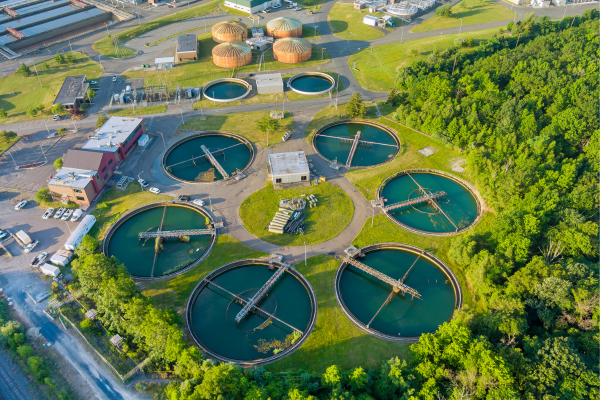
Danantara has begun construction of a waste-to-energy plant near the Bantargebang landfill, which receives waste from Jakarta and surrounding areas. The project involves an investment of 3 trillion rupiah (USD 169.54 million), according to the sovereign wealth fund.
The facility is expected to have the capacity to process 1,500 tonnes of waste every day and is scheduled to start operations in mid-2028. The project is part of Danantara’s wider plan to develop waste-to-energy facilities in cities across Indonesia as the government looks for alternatives to conventional waste disposal.
This is the second waste-to-energy project by Danantara to enter the construction stage. Work on its first project began in July in Denpasar, Bali, with the facility also designed to process up to 1,500 tonnes of waste daily and targeted to begin operations in the first half of 2028.
The Bantargebang landfill serves Jakarta and neighbouring areas and has faced growing pressure from the volume of waste it receives. The site was also the location of a fatal incident in March, when heavy rainfall triggered a collapse that killed seven people.
Danantara has been expanding its waste-to-energy programme as part of Indonesia’s broader effort to tackle waste accumulation. Earlier plans called for similar facilities across more than 30 cities, with the initial projects focused on areas facing high waste volumes and limited disposal capacity. In May, Danantara signed agreements with regional governments in locations including Bekasi, Bogor-Depok, Medan, Semarang, Serang and Lampung to advance additional projects.
The wider programme is backed by Indonesia’s national policy to accelerate waste-to-energy development. Danantara has previously indicated that individual plants could require investments of around 2 trillion rupiah to 3 trillion rupiah, with construction generally taking about 18 to 24 months.
The new Bantargebang facility will therefore add to Indonesia’s planned waste-processing capacity while reducing some of the pressure on major landfill sites. Its progress will also be closely linked to the government’s wider rollout of waste-to-energy projects in other cities.
Source Reuters
Advertisement













 Facebook
 Whatsapp
