Advertisement






The Gulf conflict has disrupted global supply chains, pushed...
REITs have changed the way commercial real estate is owned a...

What does it take to preserve a real estate legacy while bui...
What really powers the cloud? Behind every Google search, A...
A lot of what defines a home isn’t visible at handover. I...
India plans to add 100 vessels to its merchant fleet over the next five years as it seeks to reduce dependence on foreign shipping lines and lower its annual freight outgo of around USD 75 billion. Shipping Minister Sarbananda Sonowal announced the plan at the National Shipping Board’s first Sagar Samvad, which also outlined a five-point roadmap covering fiscal reforms, assured cargo support, competitive financing, regulatory changes and ease of doing business. The move is part of India’s wider efforts to strengthen domestic shipping, shipbuilding and maritime employment under its long-term maritime development plans.
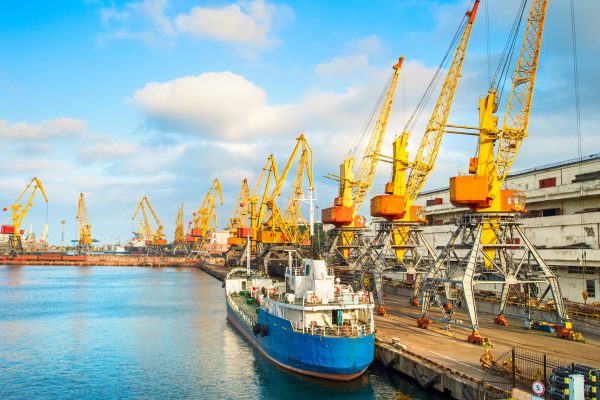
India plans to add 100 new vessels to its merchant fleet over the next five years to reduce its reliance on foreign shipping companies and cut its freight bill of around USD 75 billion, Union Minister for Ports, Shipping and Waterways Sarbananda Sonowal said at the National Shipping Board’s first Sagar Samvad.
India currently has around 1,600 seagoing merchant ships. The proposed addition is aimed at increasing the share of Indian-flagged vessels in the movement of the country’s international cargo and retaining more freight expenditure within India. The plan was discussed as part of a broader effort to make Indian shipping more competitive and strengthen the country’s maritime capacity.
The National Shipping Board has proposed a five-point roadmap covering fiscal reforms, assured cargo support, access to competitive financing, regulatory streamlining and ease of doing business. Sonowal supported the roadmap, saying these measures would help Indian shipowners participate more effectively in the country’s growing maritime trade.
India currently spends close to USD 75 billion each year on freight paid to foreign shipping lines for transporting important commodities such as crude oil, gas, coal and urea. The government believes increasing domestic shipping capacity can help reduce this foreign exchange outgo while giving Indian shipowners a larger role in transporting the country’s trade.
A key concern raised during the Sagar Samvad discussions was the cost disadvantage faced by Indian-flagged vessels. Industry representatives said operating under the Indian flag is currently around 16% to 20% more expensive than operating under foreign flags. The difference has been attributed to taxes on ship imports and maintenance services, deductions from seafarers’ wages, freight-related taxes and higher domestic financing costs.
The industry also pointed to the Right of First Refusal mechanism, under which Indian shipowners are required to match foreign freight rates to secure cargo. Addressing these cost-related issues has been identified as important for expanding the domestic fleet and improving the competitiveness of Indian shipping companies.
The fleet expansion is linked to India’s broader Maritime India Vision 2030 and Maritime Amrit Kaal Vision 2047. The longer-term objective includes strengthening India’s position among the world’s leading ship-owning nations and expanding its domestic shipbuilding capabilities.
Sonowal also highlighted the government’s INR 10,000 crore Container Manufacturing Assistance Scheme. Global shipping company Maersk has placed orders for containers manufactured in India, which the minister cited as an indication of growing domestic manufacturing activity in the maritime sector.
The government is also focusing on developing the maritime workforce. Sonowal said training capacity is being expanded through industry-led skilling, wider employment opportunities and training for emerging areas such as cruise shipping and advanced shipbuilding. The government is also looking to address gender disparity in maritime employment and increase the availability of skilled seafarers.
Union Minister Mansukh Mandaviya also stressed the need to use the growing global demand for maritime professionals to create more employment opportunities for India’s young workforce. He called for coordination between the government, maritime industry, trade bodies and training institutions to improve training capacity and prepare workers for newer segments of the sector.
The National Shipping Board, which was established in 1958, serves as a statutory advisory body on shipping policy, tonnage, seafarer welfare and port-linked maritime development. Its mandate has been strengthened under the re-enacted Merchant Shipping Act, 2025, and the new National Shipping Board Rules. During Sagar Samvad, the board also presented its annual report for 2025-26 and reports from its subcommittees.
The government is simultaneously working to expand port capacity, with a target of reaching 10,000 million tonnes annually by 2047. The proposed increase in merchant vessels is therefore being planned alongside wider investments and policy measures aimed at expanding India’s maritime and logistics capacity.
Source PTI
Advertisement













 Facebook
 Whatsapp
