Advertisement






The Gulf conflict has disrupted global supply chains, pushed...
REITs have changed the way commercial real estate is owned a...

What does it take to preserve a real estate legacy while bui...
What really powers the cloud? Behind every Google search, A...
A lot of what defines a home isn’t visible at handover. I...
Property tax emerged as the largest contributor to Chandigarh Municipal Corporation's own revenue in the first quarter of FY27, helping the civic body collect INR 134.47 crore from its own sources between April and June. The corporation received an additional INR 300 crore grant from the Chandigarh administration, taking its total receipts for the quarter to INR 434.47 crore. Property tax contributed INR 64.8 crore, while water charges generated INR 37.83 crore. The MC spent INR 254.45 crore during the quarter, including expenditure on salaries, roads, parking, waste management and stormwater drainage.
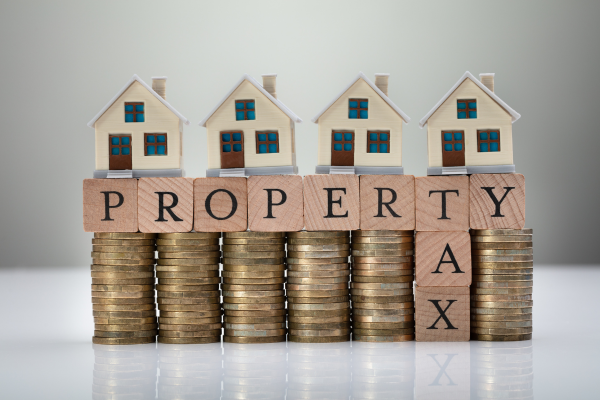
Property tax emerged as the biggest contributor to the Chandigarh Municipal Corporation's own revenue during the first quarter of FY27, helping the civic body generate INR 134.47 crore from its own sources between April and June.
The municipal corporation's overall receipts during the three-month period stood at INR 434.47 crore after including a INR 300 crore grant-in-aid received from the Chandigarh administration. The figures underline the role of locally collected taxes and user charges in supporting the corporation's finances.
Property tax accounted for INR 64.8 crore of the MC's own receipts, making it the largest individual revenue stream during the quarter. Water charges were the second-largest contributor at INR 37.83 crore. Garbage collection charges generated INR 7.91 crore, while tax collected through electricity bills contributed INR 3.88 crore. Parking fees added another INR 3.77 crore to the corporation's own revenue.
The strong property tax performance was partly linked to rebates offered to residential and commercial taxpayers during April and May. The incentive encouraged property owners to pay a substantial portion of their annual liability during the early months of the financial year.
With a significant share of annual property tax being collected during the rebate period, municipal officials expect the pace of receipts from this source to moderate during the remaining months. The first-quarter figures therefore represent a particularly strong collection period rather than an indication that the same monthly revenue level will continue throughout the year.
Against its INR 434.47 crore in receipts, the MC recorded expenditure of INR 254.45 crore during April-June. Revenue expenditure accounted for INR 223.30 crore and covered recurring obligations such as salaries, wages, pensions, water and electricity charges and other committed expenses.
Salaries and wages represented the largest component of revenue expenditure, at INR 141.8 crore. The corporation attributed the significant manpower cost to the workforce required to provide services through its various departments.
Capital expenditure during the quarter stood at INR 31.15 crore. Roads and parking infrastructure received the largest allocation, with INR 19.45 crore spent on these areas. The MC also spent INR 2.12 crore on solid waste management and INR 1.84 crore on stormwater drainage.
Other capital works included landscaping, which received INR 1.42 crore, while INR 1.27 crore was spent on gaushala development. The spending pattern indicates that a portion of the corporation's available resources was directed towards physical infrastructure and municipal service-related projects.
The first-quarter numbers also highlight the financial significance of property tax for urban local bodies. Unlike grants, which depend on allocations from higher levels of government, own-source revenues provide municipal corporations with a recurring source of funds that can support local service delivery and development expenditure.
For Chandigarh, the contribution from property tax is particularly notable because the corporation has been working to strengthen its revenue base while managing substantial recurring costs. The INR 134.47 crore collected from its own sources during the quarter provides a measure of the corporation's ability to generate revenue within its jurisdiction.
However, the figures also show the gap between receipts and expenditure. With INR 254.45 crore spent during the quarter against total receipts of INR 434.47 crore, the corporation continues to depend on a combination of its own revenue and government support to finance its operations.
As the financial year progresses, property tax collections are likely to settle after the early-payment rebate period. The MC's ability to sustain collections from property tax, water charges and other sources will therefore remain important for maintaining its revenue position and funding civic infrastructure.
Advertisement













 Facebook
 Whatsapp
