Advertisement






The Gulf conflict has disrupted global supply chains, pushed...
REITs have changed the way commercial real estate is owned a...

What does it take to preserve a real estate legacy while bui...
What really powers the cloud? Behind every Google search, A...
A lot of what defines a home isn’t visible at handover. I...
A 17-year-old student was injured after an iron rod reportedly became dislodged from a demolition site during road-widening work in Vidyavihar East, Mumbai, on August 25. The student, identified as Deven Jain, was walking towards Vidyavihar railway station when the rod struck his head. He was taken to Rajawadi Hospital, where he received multiple stitches for the injury. The incident has raised concerns over safety arrangements around active demolition zones, including whether adequate barricading and protective measures were in place to shield pedestrians from construction-related hazards.
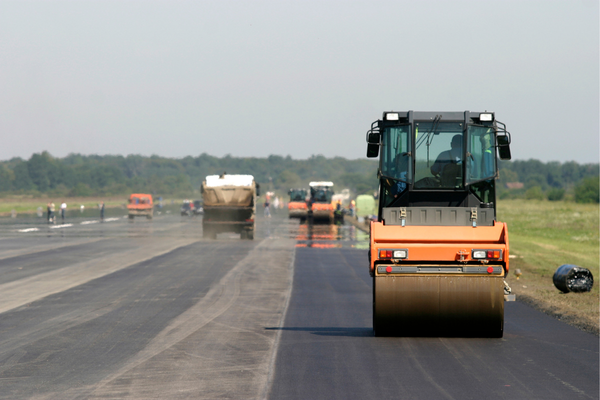
A 17-year-old student was injured after an iron rod reportedly flew from a demolition site during road-widening work in Vidyavihar East, highlighting safety concerns around construction activity being carried out alongside public roads.
The incident occurred on Tuesday afternoon near R N Gandhi School, while the student was walking along Station Road towards Vidyavihar railway station. The boy, identified as Deven Jain, is a first-year undergraduate student at SK Somaiya College. According to reports, an iron rod became dislodged during demolition work and struck him on the head.
Jain was taken to Rajawadi Hospital in Ghatkopar following the incident. He sustained a head injury and required multiple stitches. Reports said he was subsequently admitted for treatment, while his condition was described as stable.
The demolition activity is linked to road-widening work being undertaken around the Vidyavihar railway station area. The work forms part of efforts connected with the Vidyavihar railway station flyover project, which is nearing completion.
The incident has drawn attention to the need for stronger separation between active construction or demolition areas and pedestrian movement. Local concerns have centred on whether sufficient safety precautions were being maintained around the work zone while people continued to use the adjoining road.
Former Mumbai civic opposition leader and nominated corporator Pravin Chheda has written to BMC Commissioner Ashwini Bhide seeking an inquiry into the incident and action against those found responsible. He has alleged that adequate safeguards, including barricades and warning signage, were not in place around the demolition area.
The precise circumstances in which the rod became detached and travelled towards the road were not immediately established. Questions also remain over whether the demolition was being conducted in accordance with the required safety procedures and whether the work area had been sufficiently secured.
Construction and demolition sites in densely populated parts of Mumbai present a particular safety challenge because workers operate close to pedestrians, motorists and neighbouring properties. Even when work is carried out within a designated site, materials can pose risks if they become detached, fall or are propelled beyond the controlled area.
The Vidyavihar project is being executed in a heavily used urban corridor, making protection of people outside the work zone an important part of site management. The BMC has indicated that most of the flyover work has been completed, with two spans of concrete casting remaining. The remaining work was expected to be completed by August 31, followed by load testing and other mandatory checks before opening the structure to traffic.
The road-widening work is required because the roads on either side of the flyover are relatively narrow after vehicles descend from the structure. The civic administration has undertaken widening work through the relevant ward office to address this constraint.
For infrastructure projects in built-up neighbourhoods, construction schedules often overlap with regular pedestrian and vehicular movement. This makes temporary traffic management, barricading, warning signs, controlled access and monitoring particularly important during demolition and structural work.
The Vidyavihar incident also underlines the consequences when construction-site hazards extend beyond the immediate work area. While the investigation will determine how the rod came loose and whether safety rules were breached, the injury has renewed scrutiny of precautions at public-facing infrastructure sites.
As Mumbai continues to undertake road, bridge and transport projects within densely populated areas, ensuring that construction zones remain securely contained will be critical to preventing similar incidents. The focus will now be on establishing the circumstances behind the accident and determining whether additional safeguards are required at the Vidyavihar work site.
Advertisement













 Facebook
 Whatsapp
