Advertisement






The Gulf conflict has disrupted global supply chains, pushed...
REITs have changed the way commercial real estate is owned a...

What does it take to preserve a real estate legacy while bui...
What really powers the cloud? Behind every Google search, A...
A lot of what defines a home isn’t visible at handover. I...
Indian Railways has decided to transfer railway jurisdiction over the Mangaluru area, including Ullal, from the Palakkad division of Southern Railway to the Mysuru division of South Western Railway (SWR), effective 1 October 2026. The move, communicated through a Railway Board letter dated 21 August, has drawn strong opposition from political leaders in Kerala, who cite significant revenue loss to the Palakkad division. Railway authorities have clarified that the change is purely administrative and does not involve any transfer of territory from Kerala.
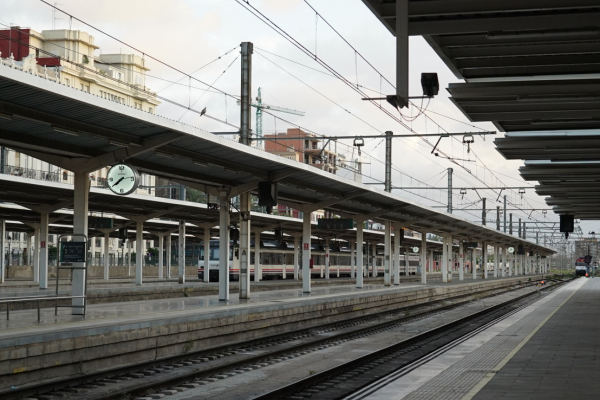
Indian Railways has realigned the territorial jurisdiction of the Palakkad division of Southern Railway, transferring the Mangaluru railway area in Karnataka to the Mysuru division of South Western Railway (SWR), effective 1 October 2026. In a letter dated 21 August 2026, the Ministry of Railways said the Mangaluru area up to and including Ullal would fall under the SWR Mysuru division from that date, shifting the zonal interchange point between SWR and Southern Railway from Padil to Ullal. Thokur will continue to remain part of Konkan Railway Corporation Limited (KRCL), though the boundary at that point will now shift from a Southern Railway-KRCL interface to an SWR-KRCL one.
South Western Railway has stated that the decision is intended to improve operational efficiency, noting that Mangaluru is already more closely linked to Mysuru through the Hassan-Mangaluru railway route, which falls under SWR's jurisdiction. Bringing the entire Mangaluru area, including the coastal ghat region, under a single operational centre is expected to streamline train operations and reduce the coordination challenges that have historically arisen from the city being split across three separate railway zones: Southern Railway, South Western Railway and Konkan Railway.
The decision has drawn strong opposition in Kerala, where political leaders have raised concerns over the financial impact on the Palakkad division. According to reports, the division, which records a daily revenue of approximately INR 2.75 crore, could face an annual financial loss running into several hundred crore rupees, given that the Mangaluru area includes major revenue-generating stations such as Mangaluru Central and Mangaluru Junction, both classified as A-1 status stations, along with the Panambur goods yard, a significant hub for the loading and unloading of ores, fertilisers and chemicals. Opposition Leader Shri V D Satheesan is reported to have written to Prime Minister Shri Narendra Modi seeking urgent intervention to reconsider the Railway Board's decision, while other political leaders in the state have also voiced concerns over the move.
Responding to the criticism, the Railways issued a clarification stating that Kerala would not lose any railway stations or territory as a result of the administrative change, emphasising that the decision applies only to the Karnataka side of the network, since Mangaluru city itself is located in Karnataka. The Railways confirmed that the Palakkad division would continue to manage its full railway network across Kerala, including stations and infrastructure in Kasaragod, Kannur, Kozhikode, Malappuram and Palakkad districts, with the change affecting only the jurisdictional boundary within Karnataka.
The demand to bring Mangaluru's railway network under a single zonal authority has a long history, with trade bodies such as the Kanara Chamber of Commerce and Industry having previously petitioned the Railway Ministry to place the region under SWR, arguing that the city's split administration across three railway zones had complicated train operations and hindered coordinated development of the coastal Karnataka rail network. With the jurisdictional change now formally notified and set to take effect from October, the coming weeks are expected to see continued political engagement between the Kerala and central governments over the decision, even as railway authorities maintain that the move is confined to administrative streamlining within Karnataka.
Advertisement













 Facebook
 Whatsapp
