Advertisement






The Gulf conflict has disrupted global supply chains, pushed...
REITs have changed the way commercial real estate is owned a...

What does it take to preserve a real estate legacy while bui...
What really powers the cloud? Behind every Google search, A...
A lot of what defines a home isn’t visible at handover. I...
The Petroleum and Natural Gas Regulatory Board (PNGRB) has authorised around 1,800 km of new LPG pipeline infrastructure involving an estimated investment of INR 7,000 crore across Telangana, Maharashtra, Uttar Pradesh, Uttarakhand, Karnataka and Goa. The three projects, to be developed by GAIL (India), will expand the country’s PNGRB-authorised common-carrier LPG pipeline network from around 7,700 km to 9,500 km. The expansion is aimed at strengthening LPG supply chains, reducing dependence on road-based tanker movement and improving energy security. The projects are expected to lower logistics costs, reduce road congestion and emissions, and improve supply reliability during disruptions and periods of high demand.
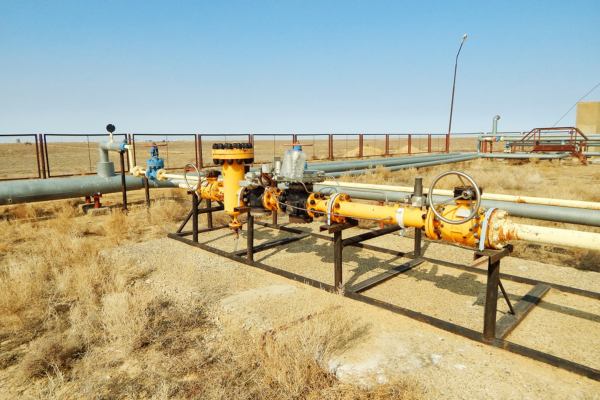
The Petroleum and Natural Gas Regulatory Board (PNGRB) has authorised approximately 1,800 km of new LPG pipeline infrastructure involving an estimated investment of INR 7,000 crore across six states, marking a significant expansion of India’s gas-based energy infrastructure.
The newly authorised network will traverse Telangana, Maharashtra, Uttar Pradesh, Uttarakhand, Karnataka and Goa. The projects are aimed at strengthening LPG supply chains, improving transportation efficiency and reducing the country’s reliance on road-based movement of bulk LPG from import locations to bottling plants.
The three pipeline projects will be developed by GAIL (India) Ltd. They comprise the 556-km Cherlapally in Telangana to Nagpur in Maharashtra pipeline, the 611-km Jhansi in Uttar Pradesh to Sitarganj in Uttarakhand pipeline, and the 633-km Shikrapur in Maharashtra to Goa and Hubli in Karnataka pipeline.
Once these projects are completed, the PNGRB-authorised common-carrier LPG pipeline network will increase from approximately 7,700 km currently to around 9,500 km. This represents an expansion of nearly 23.5%, according to the regulator.
The expansion is particularly significant because India imports a large share of its LPG requirements. Imported LPG arrives primarily through coastal locations and subsequently has to be transported to consumption centres and bottling facilities across the country. Expanding pipeline connectivity is expected to provide a more efficient alternative for this primary movement.
PNGRB said pipeline transportation offers safety, economic and environmental advantages compared with road-based transportation. The new infrastructure is expected to substantially reduce the movement of LPG tank trucks, thereby lowering the exposure associated with road transportation of the fuel.
The shift from road to pipeline transportation could also reduce logistics costs and congestion on highways. Fewer LPG tankers on roads are expected to improve road safety while reducing fuel consumption and carbon emissions associated with long-distance road transportation.
The move comes as the regulator seeks to reduce primary movement of LPG by road to bottling plants. PNGRB has been pursuing greater use of dedicated pipeline infrastructure following concerns over accidents involving LPG tankers and the risks associated with transporting large quantities of the fuel by road.
The new projects are also expected to strengthen India’s energy security. An expanded pipeline network can provide greater flexibility in moving LPG between supply points and consumption markets, reducing dependence on individual road corridors and improving the resilience of the distribution system.
PNGRB also highlighted the role of pipelines as a form of line-pack storage. LPG held within the pipeline network can support continuous product movement and provide an additional buffer during supply disruptions, emergencies or periods of unusually high demand.
The latest authorisations build on the earlier approval of the approximately 2,757-km Kandla-Gorakhpur LPG pipeline, which is the country's longest LPG pipeline. Together, the projects are expected to create a more extensive pipeline-based distribution network linking major supply regions with inland markets.
For the states covered by the latest projects, the infrastructure could improve the reliability of LPG supplies while creating a stronger backbone for future demand growth. The Cherlapally-Nagpur route, for instance, will connect Telangana with Maharashtra, while the Jhansi-Sitarganj pipeline will strengthen LPG connectivity in northern India.
The Shikrapur-Goa-Hubli project will extend pipeline infrastructure towards Goa and Karnataka, providing another link between western supply regions and southern markets.
The INR 7,000-crore investment therefore represents both an infrastructure expansion and a shift in how LPG is transported across India. By increasing the role of pipelines in primary LPG movement, the projects are expected to improve supply reliability, reduce road dependence and strengthen the country's broader energy-security framework.
Source: PNGRB
Advertisement













 Facebook
 Whatsapp
