Advertisement






The Gulf conflict has disrupted global supply chains, pushed...
REITs have changed the way commercial real estate is owned a...

What does it take to preserve a real estate legacy while bui...
What really powers the cloud? Behind every Google search, A...
A lot of what defines a home isn’t visible at handover. I...
The Supreme Court has provided relief to residents of twin residential towers in South Mumbai by restoring restrictions on construction activity by the developer. The order follows concerns raised by residents over the impact of ongoing construction in the densely developed South Mumbai locality. By reinstating the curbs, the apex court has revived restrictions that had previously been imposed on the builder. The case highlights continuing legal disputes surrounding construction activity in established residential neighbourhoods, where development work can raise concerns relating to residents’ living conditions and the impact of adjoining construction.
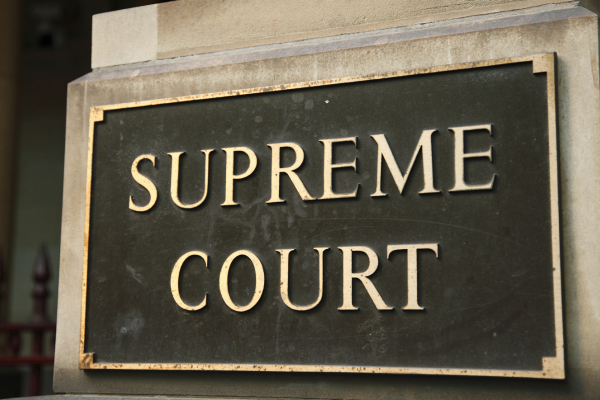
The Supreme Court has restored construction restrictions on the developer of twin towers in South Mumbai, providing relief to residents who had challenged ongoing construction activity in the locality. The apex court’s order, reported on August 24, reinstates curbs that had previously been imposed on the builder amid concerns raised by occupants over the impact of the construction.
The dispute concerns a twin-tower residential development in South Mumbai, where residents had sought judicial intervention against continuing construction activity. The residents raised concerns over the effect of the work on their living conditions and the surrounding built environment.
The Supreme Court’s latest intervention restores the construction-related restrictions on the developer. The order effectively prevents the builder from proceeding without complying with the conditions and limitations applicable under the court’s directions.
The case reflects the challenges that can arise when new or ongoing construction takes place within established urban neighbourhoods. South Mumbai has a dense built environment, with residential buildings and redevelopment projects often located in close proximity to existing occupied properties.
Residents had raised concerns about the consequences of construction activity around the twin towers, including its potential impact on the surrounding area and the day-to-day conditions of people living in the development. The Supreme Court’s intervention has now provided temporary relief by bringing back the earlier restrictions on the builder.
The proceedings also underline the role of judicial oversight in construction disputes involving residential developments. Where residents challenge construction activity, courts can examine whether development is being undertaken in accordance with applicable permissions, conditions and earlier judicial or regulatory directions.
The restoration of the curbs does not by itself determine the final outcome of the underlying dispute. The developer’s ability to continue construction will remain subject to the restrictions and directions arising from the proceedings.
For residents, the immediate consequence is the reinstatement of restrictions on construction activity. The order provides them relief while the broader legal issues surrounding the development continue to be considered.
The case also comes against the backdrop of increasing redevelopment and construction activity across South Mumbai, where availability of land is limited and new projects are frequently undertaken within established residential areas. Such projects can involve complex interactions between developers, existing residents, civic authorities and regulatory agencies.
The Supreme Court’s latest order therefore places the construction activity at the twin towers under renewed judicial restrictions. Further progress on the project will depend on subsequent proceedings and compliance with the conditions governing construction.
Advertisement













 Facebook
 Whatsapp
