Advertisement






The Gulf conflict has disrupted global supply chains, pushed...
REITs have changed the way commercial real estate is owned a...

What does it take to preserve a real estate legacy while bui...
What really powers the cloud? Behind every Google search, A...
A lot of what defines a home isn’t visible at handover. I...
Thane has 103 plots earmarked for public amenities, including gardens, playgrounds and recreational facilities, but only 39 are currently available for public use, according to data compiled from civic records and documents obtained under the Right to Information Act. Around 60 reserved plots have not yet been acquired by the Thane Municipal Corporation (TMC), while about 30 are reported to face encroachments. The gap between land reserved in planning documents and land actually accessible to residents highlights a long-standing urban planning challenge. The issue is particularly relevant in densely populated parts of Thane, where accessible neighbourhood-level open spaces remain limited.
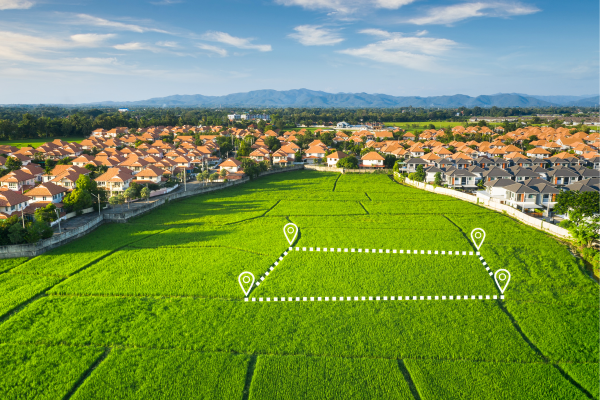
Thane has a substantial gap between the open spaces identified in its planning documents and those actually accessible to residents, with only 39 of 103 plots reserved for public amenities currently available for use. The plots include land designated for gardens, playgrounds and other recreational purposes, according to data compiled from civic records and information obtained under the Right to Information Act.
Around 60 of the reserved plots have not yet been acquired by the Thane Municipal Corporation (TMC), while approximately 30 are reported to be affected by encroachments. The figures indicate that reservation of land in a development plan does not automatically result in the creation of a public facility.
The issue is particularly relevant in established and densely populated areas of Thane, where demand for neighbourhood open spaces has increased alongside urban development. Areas such as Kopri, Vartak Nagar and Lokmanya Nagar have limited readily accessible green and recreational areas, making the availability of reserved land an important part of local planning.
The acquisition process remains one of the principal obstacles. A reserved plot can remain under private ownership even after its intended public use has been recorded in the development plan. Disputes concerning ownership and land titles can further delay acquisition, while the process of securing land for civic use can take considerable time.
Thane's earlier civic assessments have also documented a substantial shortfall in the acquisition of land reserved for recreation. A 2017 review of 134 open spaces identified in the city's development plan found that only about 3.18 lakh sq m of the 12.15 lakh sq m reserved for grounds had been acquired and made available at that point. Around 9 lakh sq m remained unavailable for public use.
That assessment showed considerable variation between different parts of the city. In Kalwa, Vitawa and Parsik, for instance, 25 plots had been reserved for playgrounds and recreation, but only around 16% of the earmarked area had been acquired at the time of the review. Mumbra and Kausa also had significant reserved areas with relatively low acquisition levels.
The present figures indicate that the underlying issue has persisted: land identified for public amenities has not necessarily translated into functioning facilities. Encroachment adds another layer to the problem, particularly where land remains unavailable to the civic body for extended periods.
The distinction between reserved and accessible land is important for a city where population growth has increased pressure on limited open areas. Planning reservations are intended to account for future requirements, but their public benefit depends on the authority securing the land and developing it for its designated purpose.
The TMC has undertaken projects intended to expand the city's green infrastructure, including parks and neighbourhood gardens. However, these initiatives exist alongside the unresolved question of reserved plots that remain outside public control.
Thane's development planning documents provide for public amenities as part of the city's broader land-use framework. The civic challenge is now to bridge the difference between these planned allocations and the land residents can actually access.
For the TMC, acquiring the remaining reserved parcels and addressing encroachments are therefore central to converting planned amenities into usable public spaces. Until that happens, a significant proportion of the land earmarked for gardens and playgrounds will remain unavailable despite its designated public purpose.
Advertisement













 Facebook
 Whatsapp
