Advertisement






The Gulf conflict has disrupted global supply chains, pushed...
REITs have changed the way commercial real estate is owned a...
What does it take to preserve a real estate legacy while bui...
What really powers the cloud? Behind every Google search, A...
A lot of what defines a home isn’t visible at handover. I...
The Brihanmumbai Municipal Corporation (BMC) is considering a regulatory framework for more than 1,500 privately operated sports turfs across Mumbai following approval of a resolution on an Advanced Smart Turf Policy. The proposed system is intended to standardise registration, operating conditions, safety measures and digital transactions for artificial sports facilities. It also addresses concerns involving late-night activity, noise, floodlighting and fire safety, particularly where turfs operate close to residential buildings. The framework could differentiate operating hours according to the surrounding land use, with tighter restrictions proposed for residential areas. The move comes as privately run football, cricket and other sports facilities have expanded across the city.
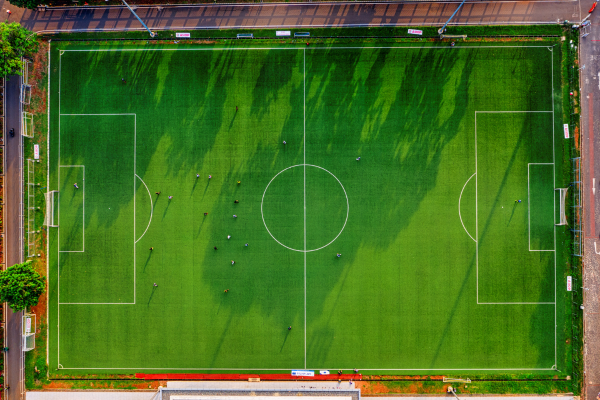
More than 1,500 privately operated sports turfs in Mumbai could face a common set of municipal requirements after the Brihanmumbai Municipal Corporation (BMC) approved a resolution concerning an Advanced Smart Turf Policy. The proposed framework seeks to establish clearer rules for facilities that have expanded across the city, covering their registration, operating practices, safety arrangements and use of technology.
Private artificial turfs have become a familiar feature of Mumbai's urban landscape, particularly in areas where access to conventional open sporting grounds is limited. Facilities offering football, cricket and other recreational activities operate from a variety of premises, including spaces within developed neighbourhoods. Their growing presence has also raised questions about how such facilities should be regulated when they are located near residential properties.
A key element of the proposed framework is the creation of a formal registration mechanism. Bringing private turfs into a common municipal system would give the civic body a clearer record of the facilities operating within its jurisdiction and allow their compliance with prescribed conditions to be monitored.
The proposal also envisages greater use of digital systems for turf operations. Bookings and payments could be routed through the Khelo Mumbai platform, creating a digital trail for transactions while giving users a standardised route to access registered facilities.
Operating hours are another area addressed by the proposed policy. Turfs situated in residential areas could be subject to a closing time of 10 pm, while facilities located in commercial and industrial zones may be allowed to operate for longer periods. The distinction recognises the different implications of sporting activity depending on the surrounding land use.
Late-evening matches can generate noise from players and spectators, while high-intensity floodlights can affect neighbouring buildings. These issues have become particularly relevant where turf facilities operate in densely populated residential locations. The proposed restrictions are intended to provide clearer limits on activity that could affect surrounding residents.
Physical safety standards are also expected to form part of the framework. Requirements could cover the construction and maintenance of turf facilities, including protective nets, grills and other installations used around playing areas. Artificial turf materials would also be subject to prescribed standards under the proposed system.
Fire safety is another consideration for facilities operating within the city. The proposed framework includes provisions for fire-safety permissions and inspections, which would make safety compliance an ongoing requirement rather than a one-time consideration when a facility is established.
The BMC is also expected to use inspections to check whether registered turfs continue to meet the applicable conditions. This could cover operating hours, safety arrangements and other requirements specified under the eventual policy.
The proposal comes as the number of privately managed sports facilities has increased alongside demand for accessible recreational spaces. While such facilities provide additional venues for organised sport, their operation within residential and mixed-use areas has created a need for clearer controls over noise, lighting, timings and safety.
The proposed Advanced Smart Turf Policy is therefore aimed at bringing a dispersed network of private facilities within a more structured municipal framework. However, the final regulatory requirements and implementation mechanism will depend on the subsequent stages of the BMC's policy process.
If implemented, the framework would give Mumbai's civic administration a formal basis for registering and monitoring private sports turfs while establishing operating and safety conditions for facilities across different parts of the city.
For more similar or related stories, you can check the links below:
BMC clears plan to convert Mumbai's only full-sized football turf into exhibition and convention centre
Advertisement













 Facebook
 Whatsapp
