Advertisement






The Gulf conflict has disrupted global supply chains, pushed...
REITs have changed the way commercial real estate is owned a...

What does it take to preserve a real estate legacy while bui...
What really powers the cloud? Behind every Google search, A...
A lot of what defines a home isn’t visible at handover. I...
Kamarajar Port Limited (KPL) has invited bids for development of its second container terminal at an estimated cost of INR 4,288.26 crore under the public-private partnership (PPP) model. The project will be implemented on a Design, Build, Finance, Operate and Transfer (DBFOT) basis, with bids invited from eligible private developers. The tender was issued in August 2026 and the deadline for bid submission is October 30. The proposed terminal is part of KPL’s expansion plans to increase container-handling capacity and strengthen its position in the maritime logistics network serving Chennai and the surrounding industrial region.
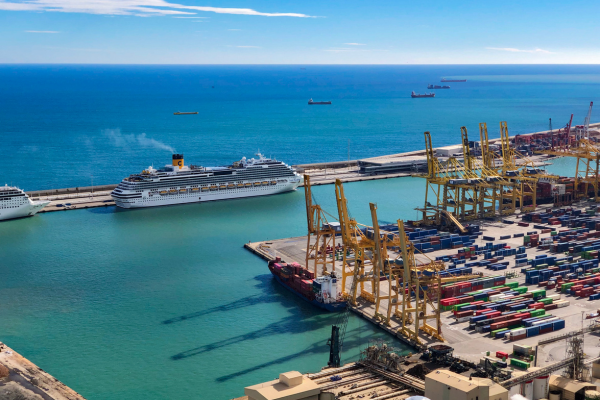
Kamarajar Port Limited (KPL) has floated a tender for development of its second container terminal at an estimated project cost of INR 4,288.26 crore under the public-private partnership (PPP) model. The tender was issued on August 20, 2026, with the selected private partner expected to develop and operate the facility under a Design, Build, Finance, Operate and Transfer (DBFOT) structure. Bids are scheduled to close on October 30.
The project is being taken forward through a Request for Qualification-cum-Request for Proposal issued by KPL, a wholly owned subsidiary of the Chennai Port Authority. The tender document identifies the development of the second container terminal as a PPP-DBFOT project, under which the private concessionaire will be responsible for financing, constructing, operating and maintaining the terminal before transferring it to the port authority at the end of the concession period.
The estimated value of the project is INR 4,288.26 crore. The tender carries an earnest money deposit of about INR 42.88 crore, while the tender fee has been fixed at INR 5.10 lakh. The bid validity period is 180 days. The tender is being processed through a two-cover system comprising technical and financial bids.
The proposed terminal will form the second container-handling facility at Kamarajar Port. The port’s existing container terminal is operated by Adani Ennore Container Terminal Pvt Ltd under a DBFOT arrangement. The addition of another terminal is expected to expand the port’s container-handling infrastructure and provide additional capacity for cargo moving through the Chennai region.
Kamarajar Port, located in the northern Chennai region, serves industrial and logistics activity in Tamil Nadu and has developed cargo-handling facilities for a range of commodities. Its location near Chennai’s industrial belt gives it access to manufacturing and trade centres in the wider region.
The second container terminal project comes after Kamarajar Port strengthened its vessel-handling capability. In July 2026, the Ministry of Ports, Shipping and Waterways said the port had completed its Phase VI capital dredging project at an investment of INR 440 crore, taking its operational draft to 18 metres. The deeper draft allows the port to handle fully laden Capesize vessels carrying cargo parcels of up to 1,70,000 DWT.
The tender requires prospective bidders to meet the qualification conditions specified in the project documents before their technical and financial proposals are evaluated. The bid submission deadline is October 30, while bids are scheduled to be opened on November 11, according to tender details.
The development of the second container terminal will therefore add a major new container-handling project to Kamarajar Port’s infrastructure pipeline. Once a private partner is selected and the concession is awarded, the project will move into the detailed development and construction stages under the PPP framework.
Advertisement













 Facebook
 Whatsapp
