Advertisement






The Gulf conflict has disrupted global supply chains, pushed...
REITs have changed the way commercial real estate is owned a...

What does it take to preserve a real estate legacy while bui...
What really powers the cloud? Behind every Google search, A...
A lot of what defines a home isn’t visible at handover. I...
The Delhi-Meerut Expressway will become the first highway in India to implement a variable speed limit system from August 15 under a pilot initiative by the National Highways Authority of India (NHAI) and the Central Road Research Institute (CRRI). The system will dynamically adjust speed limits based on real-time traffic conditions to improve road safety, reduce congestion and optimise travel time. Initially, the technology will be deployed on the Delhi stretch of the expressway, where electronic display boards will update speed limits according to traffic density. CRRI has installed the required infrastructure, while NHAI will monitor the pilot's performance before considering its expansion to other highways. Authorities believe the system will enhance traffic management through scientific speed regulation and integrated enforcement using cameras and digital signboards.
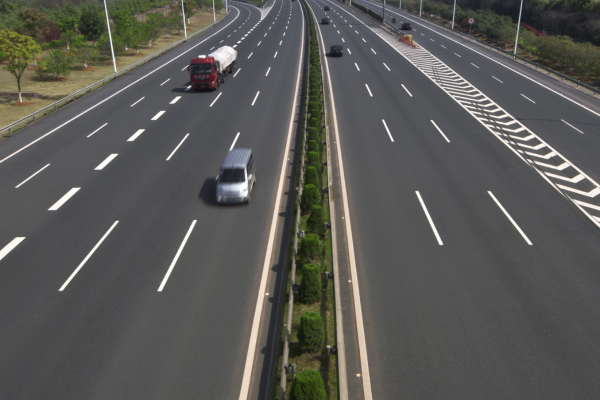
The National Highways Authority of India (NHAI) will introduce India's first variable speed limit (VSL) system on the Delhi-Meerut Expressway from August 15, marking a shift from fixed speed regulations to dynamic speed management based on prevailing traffic conditions. The pilot project has been developed in partnership with the Central Road Research Institute (CRRI) and will initially be implemented on the Delhi section of the expressway.
Unlike conventional speed limits, the VSL system will modify permissible speeds according to congestion levels, weather conditions and traffic flow. The objective is to improve road safety, minimise bottlenecks and ensure smoother movement of vehicles throughout the day.
Under the initial operating plan, cars and other light vehicles will be allowed to travel at 65 kmph between midnight and 7 am, when traffic volumes are comparatively low. The speed limit will reduce to 50 kmph from 7 am to 5 pm during peak traffic hours before increasing to 55 kmph between 5 pm and midnight. Heavy vehicles will have a maximum speed limit of 60 kmph throughout the day.
Ahead of the rollout, existing fixed speed limit boards along the Delhi-Meerut Expressway have been covered or blurred to prevent confusion. CRRI has installed specialised equipment required to support the dynamic speed management system, including electronic signboards capable of displaying updated speed limits in real time.
Satish Chandra, Professor at the Traffic Engineering Department of CRRI, said the project had been under development for several months. He explained that the primary objective was to reduce congestion and accidents by regulating vehicle speeds according to actual traffic conditions and to evaluate the effectiveness of the system through on-ground implementation.
NHAI, which is overseeing the pilot, will assess the results before deciding whether similar systems should be introduced on other national highways.
According to senior Delhi Traffic Police officials, the revised speed limits are based on scientific studies carried out by multiple agencies with the aim of improving both traffic flow and road safety. Authorities have also conducted awareness campaigns for motorists using the Delhi stretch of the expressway to familiarise them with the upcoming changes.
The system will integrate variable speed display boards, speed detection cameras and other intelligent traffic management technologies. Whenever traffic conditions change, the digital signboards will automatically display revised speed limits. Speed detection cameras will simultaneously monitor vehicle speeds, identify violations and support enforcement measures, enabling authorities to respond more effectively while maintaining safer traffic conditions on one of the country's busiest expressways.
Source -PTI
Advertisement













 Facebook
 Whatsapp
