Advertisement






What really powers the cloud? Behind every Google search, A...
A lot of what defines a home isn’t visible at handover. I...
Private equity has played a significant role in shaping Indi...
Luxury real estate is one of the most talked-about segments ...
Airports play a much bigger role than just enabling travel -...
Across India, some of the country’s most famous streets carry names that reflect far more than geography. Many were originally named during the colonial era and were later renamed after kings, freedom fighters and political leaders who shaped India’s identity. From New Delhi’s Kartavya Path to Chennai’s Anna Salai and Mumbai’s Chhatrapati Shivaji Maharaj Marg, these roads commemorate struggles for independence, regional pride, national integration and democratic values. Their names preserve important chapters of Indian history while reminding citizens how public spaces can become lasting symbols of a nation’s cultural and political transformation.
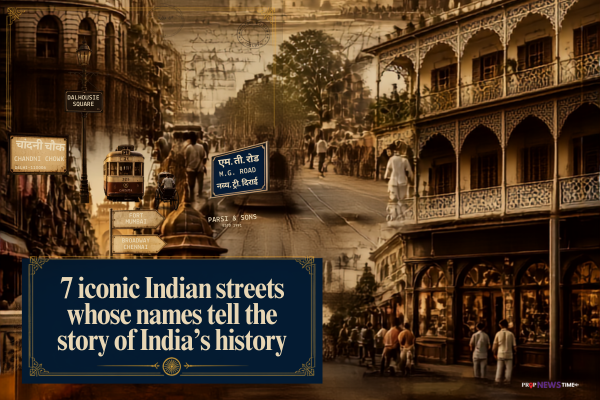
Street names often appear ordinary, but many of India’s most iconic roads are deeply connected to the country’s political, cultural and historical journey. Several prominent streets that once honoured British rulers and colonial administrators were renamed after independence to reflect India’s own leaders, freedom fighters and ideals. These changes were not merely administrative; they represented a conscious effort to reclaim public spaces and celebrate the people and values that shaped modern India.
Today, these roads continue to function as important urban landmarks while serving as reminders of the country’s transition from colonial rule to a sovereign democratic republic.
1. Kartavya Path, New Delhi
Kartavya Path is one of India’s most symbolic ceremonial avenues. Originally built by the British as Kingsway to honour King George V, it was renamed Rajpath after independence and later renamed Kartavya Path in 2022. The current name, meaning “Path of Duty”, represents a shift from imperial authority to democratic responsibility, emphasising the duties of citizens and public institutions in independent India.
2. Mahatma Gandhi Road (M.G. Road), Kolkata and other cities
M.G. Road is among the most recognisable street names in India. Kolkata’s road, originally known as Harrison Road, was renamed in honour of Mahatma Gandhi, whose leadership in the freedom movement transformed India’s struggle against colonial rule. Similar renaming across numerous Indian cities made Gandhi’s ideals of non-violence, truth and civil resistance part of everyday urban life.
3. Chhatrapati Shivaji Maharaj Marg, Mumbai
Several major roads in Mumbai were renamed after Chhatrapati Shivaji Maharaj, the founder of the Maratha Empire. The name celebrates his vision of self-rule, military leadership and resistance against external domination. It also reflects Maharashtra’s strong historical connection with Shivaji Maharaj and his enduring influence on regional identity and cultural pride.
4. Anna Salai, Chennai
Anna Salai, formerly known as Mount Road, is one of Chennai’s oldest and busiest arterial roads. It was renamed after C.N. Annadurai, popularly known as “Anna”, a former Chief Minister of Tamil Nadu and a leading figure of the Dravidian movement. The name honours his role in promoting Tamil language, regional identity and significant political and social reforms in the state.
5. Netaji Subhash Chandra Bose Road, Mumbai
Mumbai’s famous Marine Drive was officially renamed Netaji Subhash Chandra Bose Road to honour the leader of the Indian National Army. The name commemorates Bose’s determination to secure India’s independence through military struggle and his leadership of the Azad Hind movement. The renaming reflects the recognition of revolutionary contributions alongside non-violent strands of the freedom movement.
6. Sardar Patel Marg, New Delhi
Originally known as Kitchener Road during the British era, this important diplomatic corridor was renamed after Sardar Vallabhbhai Patel. Known as the “Iron Man of India”, Patel played a decisive role in integrating more than 560 princely states into the Indian Union after independence. The road stands as a tribute to his contribution to national unity and administrative integration.
7. Maulana Azad Road, New Delhi
Formerly King Edward Road, this prominent avenue near the central government district was renamed after Maulana Abul Kalam Azad, a senior freedom fighter and independent India’s first Education Minister. The name honours his commitment to secularism, education and national integration, as well as his efforts to build the foundations of India’s modern education system.
The names of these iconic streets reflect the evolution of India’s national identity over the past century. They mark the transition from colonial rule to self-governance and preserve the memory of leaders who influenced the country’s political, social and cultural development. More than just addresses, these roads function as public memorials, connecting daily urban life with the historical events and personalities that helped shape the Indian republic.
Sources Ministry of Home Affairs, NDMC, Urban History & Cultural Studies Literature
Advertisement













 Facebook
 Whatsapp
