Advertisement






The Gulf conflict has disrupted global supply chains, pushed...
REITs have changed the way commercial real estate is owned a...

What does it take to preserve a real estate legacy while bui...
What really powers the cloud? Behind every Google search, A...
A lot of what defines a home isn’t visible at handover. I...
Long before shopping malls and e-commerce platforms reshaped retail, India's traditional bazaars served as the commercial heart of cities. Many of these markets have survived wars, colonial rule, urban expansion and changing consumer habits while continuing to attract traders and buyers every day. From wholesale textile hubs and jewellery districts to spice markets and handicraft lanes, these historic marketplaces remain vital to local economies. Here are ten of India's oldest functioning markets that continue to thrive, preserving centuries of commerce while adapting to the demands of modern trade.
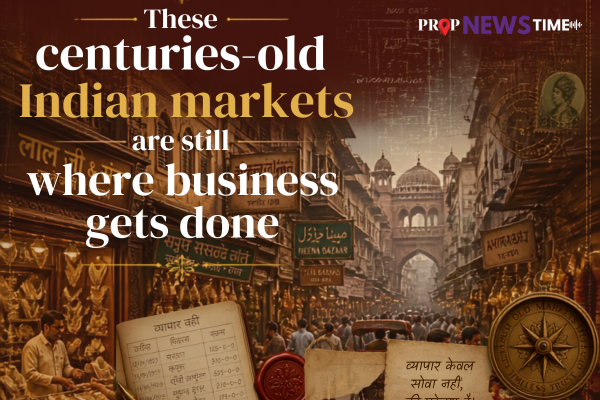
India's oldest markets are more than places to shop- they are living institutions that have shaped the country's commercial history for generations. Established under Mughal rulers, princely kingdoms and the British administration, these marketplaces evolved into specialised trading centres that supplied everything from spices and silk to jewellery and agricultural produce. Despite the rise of organised retail and online commerce, many continue to attract thousands of traders, wholesalers and customers every day. Their narrow lanes, historic buildings and family-run businesses tell stories of resilience, entrepreneurship and cultural continuity. Together, they illustrate how traditional commerce continues to coexist with India's rapidly modernising economy.
Chandni Chowk, Delhi
Few markets in India can rival the commercial legacy of Chandni Chowk, established in the 17th century by Mughal emperor Shah Jahan and designed under the supervision of Jahanara Begum. For centuries, it has remained one of North India's busiest trading districts, connecting merchants from across the subcontinent. According to the Archaeological Survey of India (ASI) and historical records maintained by the Shahjahanabad Redevelopment Corporation, the market has continuously evolved while retaining its historic street network.
Today, Chandni Chowk is renowned for wholesale textiles, jewellery, electronics, spices and street food. Thousands of retailers source inventory from its wholesale lanes every day, making it one of India's most influential trading centres. Heritage restoration, pedestrianisation projects and improved metro connectivity have further strengthened its commercial appeal while preserving its Mughal-era character.
Burrabazar, Kolkata
Long before Kolkata emerged as a financial centre, Burrabazar had already established itself as one of eastern India's largest wholesale trading districts. Developed during the 18th century under British rule, the market gradually became a commercial hub for Marwari traders dealing in textiles, grains, spices and industrial goods.
According to the Kolkata Municipal Corporation and historical studies on the city's mercantile economy, Burrabazar remains one of India's largest wholesale marketplaces by trading volume. Its thousands of interconnected shops continue supplying retailers across West Bengal, Bihar, Jharkhand and the Northeast. Despite narrow lanes and ageing infrastructure, the market remains indispensable to regional commerce, demonstrating how traditional wholesale networks continue to thrive alongside modern logistics systems.
Johari Bazaar, Jaipur
Established soon after Jaipur was founded in 1727, Johari Bazaar has remained synonymous with jewellery craftsmanship for nearly three centuries. Planned as part of Maharaja Sawai Jai Singh II's grid-based city, it quickly became the centre for gemstone trading, gold jewellery and traditional Rajasthani craftsmanship.
The Jaipur Development Authority (JDA) and Rajasthan tourism records continue to identify Johari Bazaar as one of India's most significant jewellery markets. Beyond precious stones, the area is famous for meenakari work, handcrafted ornaments and heritage architecture. Skilled artisan families continue operating businesses that have been passed down through generations, while domestic and international tourists help sustain its vibrant retail economy.
Crawford Market (Mahatma Jyotiba Phule Mandai), Mumbai
Built in 1869 during the British era, Crawford Market remains one of Mumbai's oldest functioning wholesale and retail markets. Designed in Norman-Gothic architectural style, it originally supplied fresh produce to the growing colonial city.
According to the Municipal Corporation of Greater Mumbai (MCGM), the market continues to handle substantial volumes of fruits, vegetables, dry fruits, imported food products and household goods. Its strategic location near South Mumbai's commercial district has helped maintain its relevance despite the emergence of organised retail. Heritage architecture, specialised traders and established supply chains continue attracting wholesalers and consumers alike.
Laad Bazaar, Hyderabad
Nestled beside the Charminar, Laad Bazaar has flourished for over four centuries as Hyderabad's most iconic shopping destination. Originally patronised by the Qutb Shahi rulers, it became famous for lacquer bangles, pearls, traditional jewellery and bridal accessories.
According to Telangana Tourism and Hyderabad heritage records, the market continues attracting both local shoppers and international tourists. Hundreds of family-owned businesses still specialise in handcrafted bangles and jewellery using traditional techniques. Festivals and wedding seasons transform the bazaar into one of the busiest retail destinations in the city, ensuring its enduring commercial importance.
KR Market (Krishna Rajendra Market), Bengaluru
Although the present structure dates back to the early 20th century, KR Market traces its origins to Bengaluru's historic trading activities under the Mysore Kingdom. It remains one of southern India's busiest wholesale markets for flowers, fruits, vegetables and household goods.
The Bruhat Bengaluru Mahanagara Palike (BBMP) identifies KR Market as a major wholesale distribution centre serving retailers across Bengaluru. Every morning, thousands of traders converge here before dawn, particularly in the city's famous flower market. Despite rapid urban development, KR Market continues to function as an essential part of Bengaluru's food and floral supply chain.
Aminabad, Lucknow
Established during the Nawabi period and expanded under British administration, Aminabad has served Lucknow's commercial needs for generations. It evolved into a bustling marketplace offering textiles, garments, footwear, books and the city's renowned Chikankari embroidery.
According to Lucknow Smart City and Uttar Pradesh tourism records, Aminabad continues to attract shoppers seeking both traditional craftsmanship and affordable retail goods. Narrow lanes lined with historic shops, bustling eateries and long-established family businesses preserve the atmosphere of old Lucknow while serving modern consumers. Its accessibility and competitive pricing have helped sustain its popularity for decades.
Chalai Market, Thiruvananthapuram
One of Kerala's oldest commercial districts, Chalai Market has been trading for well over a century, although its origins as a trading corridor date back much earlier under the Travancore Kingdom. Stretching for nearly two kilometres, it remains one of South India's most diverse traditional marketplaces.
Historical references maintained by the Kerala Tourism Department describe Chalai as a major centre for spices, textiles, utensils, household goods and agricultural products. Its dense network of independent traders continues supplying businesses across southern Kerala, while generations of family-run shops preserve its traditional commercial character.
Hall Bazaar, Amritsar
Dating back to the late 19th century, Hall Bazaar developed around Amritsar's historic commercial core and remains one of Punjab's busiest traditional shopping destinations. Its distinctive Mughal-style entrance has become one of the city's most recognisable landmarks.
Punjab tourism authorities continue to highlight Hall Bazaar for its textiles, handicrafts, jewellery, Punjabi juttis and traditional food products. Located close to the Golden Temple, the market benefits from millions of pilgrims and tourists each year while remaining an important retail centre for local residents. The blend of heritage architecture and vibrant commerce continues to define its identity.
Meena Bazaar, Delhi
Often associated with the Mughal courts, Meena Bazaar traces its roots back to the 16th century when it functioned as a royal marketplace within the Red Fort complex. Over time, the surrounding commercial district evolved into a thriving retail destination specialising in traditional garments, jewellery and handicrafts.
The Archaeological Survey of India (ASI) and Delhi tourism authorities continue to recognise its historical significance within Shahjahanabad. Today, the market attracts shoppers searching for ethnic wear, bridal accessories and handcrafted products. Although modern retail has expanded across Delhi, Meena Bazaar retains its cultural identity and continues to support hundreds of small traders and artisans.
India's oldest markets have survived because they offer far more than products—they preserve trust, craftsmanship and commercial traditions built over centuries. While shopping habits continue to evolve, these historic bazaars remain deeply connected to local economies through wholesale trade, specialised goods and family-run businesses. Their enduring relevance demonstrates that heritage and commerce can successfully coexist, making these markets not only symbols of India's trading history but also active contributors to its present-day economy.
Sources: Archaeological Survey of India (ASI), Jaipur Development Authority (JDA), Delhi Tourism, Ministry of Tourism, Government of India
Advertisement













 Facebook
 Whatsapp
