Advertisement






What really powers the cloud? Behind every Google search, A...
A lot of what defines a home isn’t visible at handover. I...
Private equity has played a significant role in shaping Indi...
Luxury real estate is one of the most talked-about segments ...
Airports play a much bigger role than just enabling travel -...
A ceiling section from a balcony at a residential society in Gurugram collapsed, prompting residents to raise concerns over construction quality and building safety. While no injuries were reported, homeowners have demanded an independent structural audit and intervention by regulatory authorities to assess the condition of the complex. The incident has renewed focus on maintenance standards in residential projects, with residents seeking accountability, timely repairs and a comprehensive investigation into the structural integrity of the development.
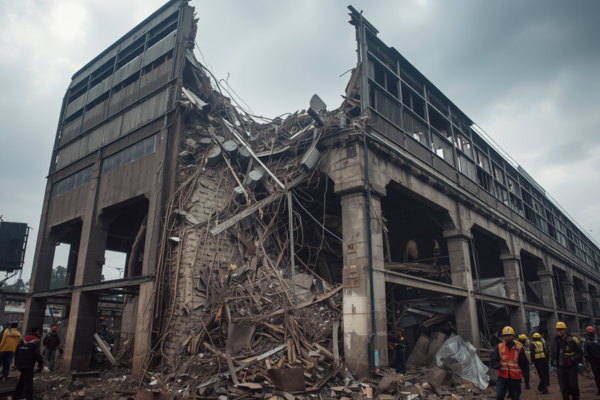
A balcony ceiling collapse at a residential housing society in Gurugram has raised fresh concerns over the structural condition of residential buildings and prompted residents to demand a detailed technical investigation into the project. The incident, in which a portion of the balcony ceiling detached and fell, did not result in any injuries but has intensified questions regarding construction quality and the long-term maintenance of the development.
Residents said the collapse occurred without any prior warning, increasing concerns about whether similar structural deficiencies may exist elsewhere in the complex. Following the incident, access to the affected area was restricted while preliminary inspections were carried out to ensure the immediate safety of residents. The episode has also led to heightened anxiety among homeowners, many of whom have called for a comprehensive assessment of all residential towers within the society.
Homeowners have alleged that the incident is indicative of broader construction-related issues and have urged authorities to examine whether the project complies with prescribed building quality and safety standards. According to residents, concerns relating to maintenance and structural deterioration had been highlighted on previous occasions, but they believe adequate preventive measures were not implemented. They argue that a detailed engineering assessment is necessary to identify potential risks before similar incidents occur elsewhere in the complex.
Residents have sought the intervention of the Department of Town and Country Planning (DTCP) and other relevant agencies to conduct an independent structural audit of the society. They have also requested that experts examine the quality of construction materials, workmanship and maintenance practices to determine the cause of the collapse. Homeowners believe that the findings should be made public and followed by corrective measures wherever deficiencies are identified.
The incident has once again drawn attention to the importance of periodic structural inspections in ageing residential developments. As housing projects mature, regular maintenance and timely repairs become essential to ensuring occupant safety and extending the life of building components. Industry professionals have increasingly emphasised the need for resident welfare associations, developers and facility managers to undertake preventive maintenance rather than respond only after visible damage emerges.
The developer, meanwhile, is expected to assess the damaged area and undertake the necessary repair work in accordance with applicable safety protocols. The outcome of the technical inspection is likely to determine whether additional remedial measures are required across the project and whether any regulatory action is warranted.
The incident highlights the growing importance of structural safety in India's residential real estate sector, particularly in high-density urban developments where thousands of residents depend on the long-term performance of common building infrastructure. As authorities review the matter, residents continue to seek assurances that the complex has been comprehensively inspected and that any structural deficiencies will be rectified promptly. The findings of the proposed investigation are expected to guide future maintenance measures while reinforcing the need for stronger quality assurance and regular safety assessments across residential housing projects.
Advertisement













 Facebook
 Whatsapp
