Advertisement






The Gulf conflict has disrupted global supply chains, pushed...
REITs have changed the way commercial real estate is owned a...

What does it take to preserve a real estate legacy while bui...
What really powers the cloud? Behind every Google search, A...
A lot of what defines a home isn’t visible at handover. I...
The Trump administration has asked the US Supreme Court to allow construction of a USD 400 million ballroom at the White House to continue while it prepares a full appeal against a lower court ruling. The US Court of Appeals for the District of Columbia Circuit had ordered a halt to above-ground construction, saying the project required congressional approval. The administration has argued that the project is necessary for national security and forms part of an integrated secure complex. The National Trust for Historic Preservation, which challenged the project, has urged the Supreme Court to reject the administration’s request.
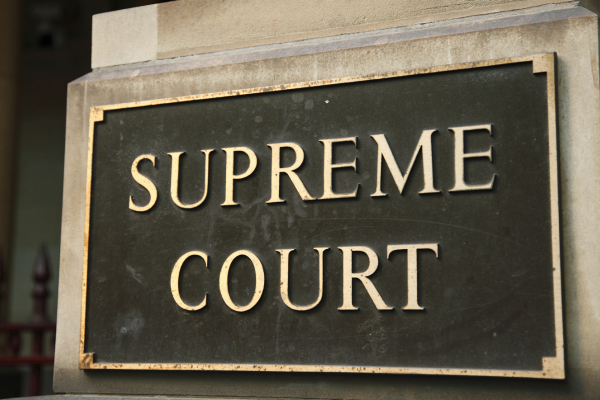
The Trump administration has approached the US Supreme Court seeking permission to continue construction of a USD 400 million ballroom at the White House after an appeals court ruled that the project could not proceed without approval from Congress.
The Justice Department asked the justices to keep the appeals court ruling on hold while the administration prepares a full appeal before the Supreme Court. The request follows a 2-1 decision by the US Court of Appeals for the District of Columbia Circuit, which upheld an earlier order requiring the administration to stop above-ground construction.
The appeals court had allowed its order to remain paused for 14 days, giving the administration time to approach the Supreme Court.
In its filing, the Justice Department argued that the ballroom was required for national security. The administration cited several assassination attempts against President Donald Trump and described the planned facility as an integrated military complex with a secure ballroom at the East Wing of the White House.
The appeals court, however, said the decision on whether a large ballroom should be built was a matter for Congress and could not be taken through executive action without the required approval.
The case was brought by the National Trust for Historic Preservation after the administration demolished the White House East Wing and began work on a 90,000-square-foot ballroom without first obtaining congressional authorisation.
The National Trust has opposed the administration's latest request and urged the Supreme Court not to allow construction to continue. It argued that the administration's position could limit judicial review and weaken the ability of courts to provide an effective remedy when government action is challenged.
Trump has maintained that the ballroom is needed for security reasons and has also described it as a military centre. He criticised the appeals court ruling as politically motivated and argued that it could leave the president, White House officials and visitors more exposed to potential attacks.
Trump has said the planned facility would include bomb shelters, medical facilities and protection against drones and missiles. He has also argued that these features are connected as part of one large security complex.
The appeals court rejected the idea that national security concerns automatically override legal requirements. Its ruling did not permanently prevent the construction of a White House ballroom. Instead, it blocked above-ground construction until the administration obtains the necessary approval from Congress.
The Supreme Court's response will determine whether construction can resume while the broader legal challenge continues. The dispute has raised questions over the extent of executive authority in carrying out major changes to the White House complex without congressional approval.
Source Reuters
Advertisement













 Facebook
 Whatsapp
