Advertisement






The Gulf conflict has disrupted global supply chains, pushed...
REITs have changed the way commercial real estate is owned a...

What does it take to preserve a real estate legacy while bui...
What really powers the cloud? Behind every Google search, A...
A lot of what defines a home isn’t visible at handover. I...
Mumbai’s transport network is set for another connectivity boost with the progress of Metro Line 2B and the Santa Cruz-Chembur Link Road (SCLR) strengthening links between the city’s eastern and western corridors. Metro 2B’s extension towards Chembur is expected to improve connections with existing metro, suburban rail and monorail networks, while the SCLR provides an important road link towards the Bandra-Kurla Complex and eastern suburbs. Together, the projects are expected to improve travel options, reduce pressure on key road corridors and support smoother movement across densely populated parts of Mumbai.
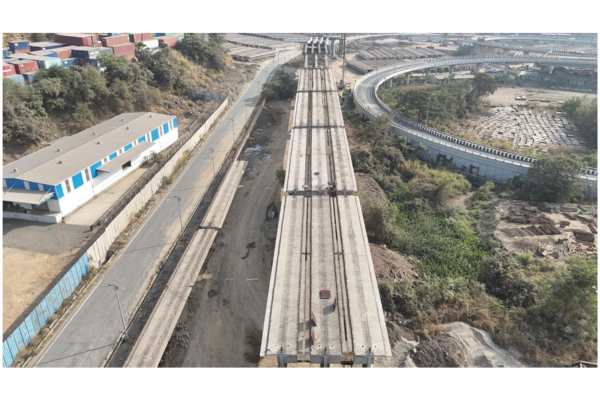
Two major connectivity links are expected to influence commuting patterns across Mumbai as infrastructure work progresses on Metro Line 2B and the Santa Cruz-Chembur Link Road (SCLR), strengthening connections between the eastern suburbs, central Mumbai and key commercial districts.
Metro Line 2B is being developed as a major north-south corridor connecting DN Nagar with Chembur. Its Phase III section, extending from Saraswat Nagar to Chembur, covers 10.03 km and includes eight stations at Bandra, ITO, IL&FS, MTNL, SG Barve Marg, Kurla East, Eastern Express Highway and Chembur.
The corridor is designed to integrate with several existing and planned transport systems. These include Metro Line 1 at DN Nagar, Metro Line 3 at BKC-ITO, Metro Line 4 near the Eastern Express Highway, the Mumbai Monorail at Chembur, the Harbour Line at Mankhurd and suburban railway connections at Bandra and Kurla. The IL&FS station is also proposed to connect with the Mumbai terminal of the Ahmedabad-Mumbai high-speed rail project in the BKC area.
Progress on the Chembur extension has included the installation of a 41.5-metre-long steel composite span across the Central Railway Harbour Line between Kurla and Tilak Nagar. The structure, weighing about 178 tonnes and measuring 11 metres in width, was launched between piers near Kurla East without disrupting railway operations.
The work required approvals from the railway authorities and coordinated execution within a designated railway block. Two 500-tonne cranes were used for tandem lifting, with another crane kept on standby during the operation.
The SCLR, meanwhile, remains an important road connection between the western suburbs and the eastern side of the city. Its role is particularly relevant for commuters travelling towards the Bandra-Kurla Complex and the eastern suburbs, where road congestion has traditionally placed pressure on existing routes.
The two infrastructure links serve different modes but address a common challenge: improving cross-city mobility. Metro 2B is intended to shift a portion of daily travel to public transport, while the SCLR strengthens road-based connectivity between major urban districts.
The Metro 2B project is also expected to reduce travel times, ease congestion on major road corridors and enable greater integration between metro, suburban rail, monorail and other public transport services.
For commuters, the combined impact could be significant as Mumbai continues to expand its network of transport alternatives. Better integration between eastern and western corridors could reduce dependence on individual road routes and provide more options for reaching employment centres such as BKC.
The projects therefore represent complementary additions to Mumbai’s transport infrastructure, with Metro 2B expanding mass-transit connectivity while the SCLR strengthens road movement across the city.
Source- MMRDA
Advertisement













 Facebook
 Whatsapp
