Advertisement






The Gulf conflict has disrupted global supply chains, pushed...
REITs have changed the way commercial real estate is owned a...

What does it take to preserve a real estate legacy while bui...
What really powers the cloud? Behind every Google search, A...
A lot of what defines a home isn’t visible at handover. I...
Andhra Pradesh is planning to adopt an integrated approach to slum redevelopment, drawing lessons from Mumbai's Dharavi redevelopment model. The state intends to use the redevelopment of Velampeta in Visakhapatnam as a potential blueprint for similar projects in other urban areas. The approach is expected to focus on replacing inadequate housing with planned residential development while improving basic infrastructure and living conditions. By treating slum redevelopment as an integrated urban development exercise rather than only a housing intervention, the state aims to address housing, infrastructure and land-use challenges together.
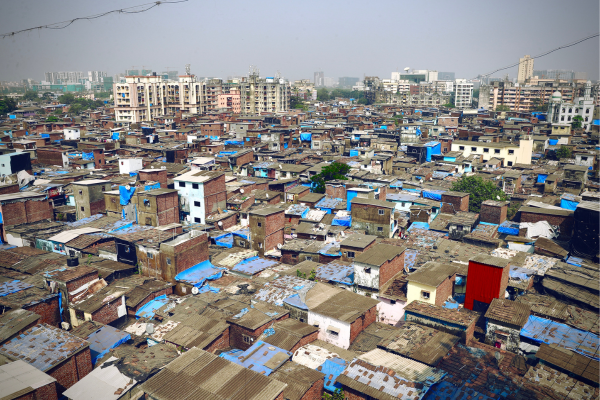
Andhra Pradesh is looking at a new approach to slum redevelopment that takes inspiration from the large-scale transformation planned for Mumbai's Dharavi. The state is considering an integrated model in which existing informal settlements are redeveloped with better housing and supporting infrastructure, rather than being addressed through isolated housing interventions.
The proposed approach comes as Andhra Pradesh looks to tackle the challenges associated with ageing and inadequately serviced settlements in its growing cities. The government is also examining the redevelopment of Velampeta in Visakhapatnam as a potential model that could subsequently be adapted for other slum clusters across the state.
Velampeta, located in Visakhapatnam, is being positioned as an important pilot for the state's wider redevelopment strategy. The project is expected to demonstrate how an existing settlement can be reorganised and upgraded while addressing the housing requirements of its residents.
The significance of the pilot lies in its potential to establish a framework that can be applied elsewhere. Rather than developing each slum project independently, the state could use the experience gained at Velampeta to determine how land, housing, infrastructure and rehabilitation requirements can be coordinated in future projects.
Mumbai's Dharavi redevelopment has been conceived as a large-scale integrated exercise involving rehabilitation of residents alongside redevelopment of residential, commercial and industrial areas and supporting infrastructure. The project covers a large urban area and involves the creation of new infrastructure along with rehabilitation housing.
For Andhra Pradesh, the Dharavi model offers a reference for treating informal settlements as part of the broader urban fabric. Such an approach can potentially combine housing redevelopment with roads, drainage, water supply, sanitation and other civic facilities, rather than concentrating solely on replacement housing.
However, the scale and circumstances of Dharavi are different from those of Andhra Pradesh's individual slum clusters. Any model adopted by the state would therefore need to be adjusted to local land conditions, settlement patterns, resident requirements and the financial viability of individual projects.
The proposed strategy comes at a time when cities across Andhra Pradesh are experiencing increasing pressure on housing and urban infrastructure. Informal settlements often develop in locations where formal housing supply has not kept pace with population growth, leaving residents dependent on areas with limited civic services.
If the Visakhapatnam pilot demonstrates that redevelopment can be undertaken while protecting residents' interests and improving infrastructure, Andhra Pradesh could consider extending the framework to other urban settlements. A standardised approach could help government agencies evaluate land availability, resident eligibility, rehabilitation requirements and infrastructure needs before taking up individual projects.
The proposed strategy also indicates a shift towards viewing slum redevelopment as a broader urban-planning exercise. Instead of simply replacing informal housing, the objective would be to integrate redeveloped communities into the city's formal infrastructure network.
The outcome of the Velampeta project will therefore be important for determining whether Andhra Pradesh can create a scalable redevelopment framework suited to its own cities. If successful, the pilot could provide the state with a template for combining housing rehabilitation, infrastructure improvement and planned urban development across other informal settlements.
Advertisement













 Facebook
 Whatsapp
