Advertisement






The Gulf conflict has disrupted global supply chains, pushed...
REITs have changed the way commercial real estate is owned a...

What does it take to preserve a real estate legacy while bui...
What really powers the cloud? Behind every Google search, A...
A lot of what defines a home isn’t visible at handover. I...
The closure of the Delhi-Meerut Expressway for the Kanwar Yatra has continued to disrupt traffic movement across the Delhi-NCR region, with diversions placing additional pressure on NH-9 and the Eastern Peripheral Expressway. Commuters travelling between Delhi, Ghaziabad and Meerut have faced prolonged delays as traffic has been redirected to alternative routes. The disruption has been compounded by rain and increased movement associated with the annual pilgrimage. Authorities have been managing diversions and traffic flow as the Kanwar Yatra reaches its concluding phase.
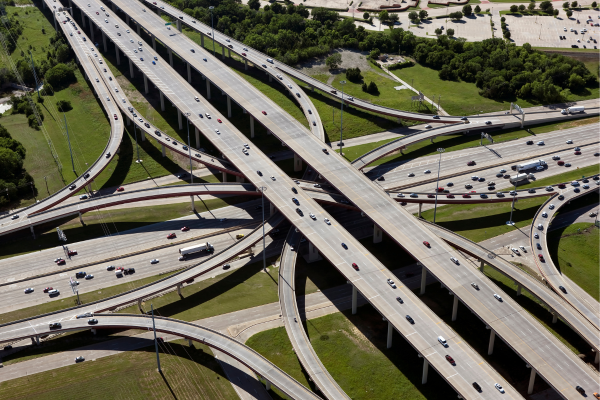
Traffic movement across parts of Delhi-NCR remained severely affected for a second consecutive day after the Delhi-Meerut Expressway was closed to accommodate the Kanwar Yatra. The closure resulted in large volumes of vehicles being diverted towards NH-9 and other alternative routes, leading to congestion across key stretches.
The traffic restrictions affected commuters travelling between Delhi, Ghaziabad and Meerut, with several motorists facing extended travel times. The diversion of traffic from the expressway placed additional pressure on roads that normally carry substantial volumes of local and regional traffic.
NH-9 emerged as one of the major affected corridors as vehicles diverted from the closed expressway joined the existing traffic flow. Congestion was also reported on connecting routes and the Eastern Peripheral Expressway, creating a wider impact on movement across the region.
The disruption came as authorities implemented traffic arrangements for the Kanwar Yatra, during which roads used by pilgrims are subject to restrictions and diversions. The Delhi-Meerut Expressway forms an important regional link, and its closure consequently affected traffic beyond the immediate pilgrimage route.
Commuters were advised to plan journeys carefully and use alternative routes where possible. However, the diversion of large volumes of traffic meant that several alternative corridors also experienced heavy congestion, limiting the effectiveness of route changes for some travellers.
Rainfall in the region added another challenge to traffic management. Wet road conditions and slower vehicle movement contributed to the difficulties faced by commuters, while the combination of weather-related disruption and pilgrimage-related traffic increased pressure on the road network.
The situation also highlighted the dependence of Delhi-NCR's road network on a limited number of high-capacity corridors. When a major expressway is temporarily closed, traffic can quickly spill over onto adjoining national highways and peripheral routes, particularly during periods of unusually high movement.
Traffic authorities continued to monitor the affected corridors and manage diversions as the Kanwar Yatra progressed towards its conclusion. The reopening of the Delhi-Meerut Expressway is expected to help restore normal traffic distribution and ease pressure on NH-9 and other diversion routes.
The episode underlines the importance of coordinated traffic planning during large public gatherings, particularly in a region where expressways and national highways carry substantial daily commuter and freight traffic. The experience could also inform future diversion plans for major religious events and other occasions requiring temporary closure of key transport corridors.
Advertisement













 Facebook
 Whatsapp
