Advertisement






The Gulf conflict has disrupted global supply chains, pushed...
REITs have changed the way commercial real estate is owned a...

What does it take to preserve a real estate legacy while bui...
What really powers the cloud? Behind every Google search, A...
A lot of what defines a home isn’t visible at handover. I...
The Delhi Assembly has approved the Delhi Urban Shelter Improvement Board (DUSIB) (Amendment) Bill 2026, shifting the statutory cut-off date for identifying eligible Jhuggi Jhopri (JJ) clusters from January 1, 2006 to January 1, 2025. The amendment is intended to align the DUSIB Act, 2010 with the Delhi Slum and Jhuggi Jhopri Rehabilitation and Relocation Policy, 2026 and provide a legal framework for the rehabilitation and relocation of newer settlements. Urban Development Minister Ashish Sood said the government plans to undertake in-situ development so that eligible residents can remain near their existing livelihoods. The change is expected to expand the number of settlements covered by government intervention and increase the financial obligations for rehabilitation, relocation and basic civic infrastructure. The revised framework will come into effect after formal notification of the new rules.
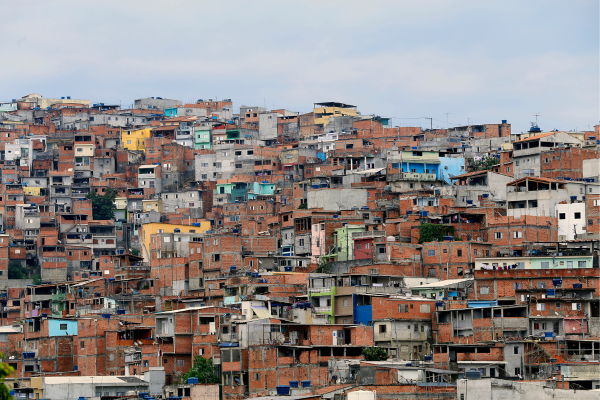
The Delhi Assembly has approved the Delhi Urban Shelter Improvement Board (DUSIB) (Amendment) Bill 2026, changing the statutory cut-off date for identifying Jhuggi Jhopri (JJ) clusters from January 1, 2006 to January 1, 2025. The Bill was introduced by Urban Development Minister Ashish Sood on Monday and passed on Tuesday during the Assembly's monsoon session.
The amendment seeks to replace the existing reference to January 1, 2006 in Section 2(g)(iii) of the DUSIB Act, 2010 with January 1, 2025. This extends the eligibility window by 19 years and could bring newer JJ settlements within the statutory framework for rehabilitation and relocation, subject to the applicable eligibility requirements.
Sood said the government intends to undertake in-situ development of eligible jhuggi-jhopris, allowing residents to remain at their existing locations and continue with their livelihoods. He described the approach as an integrated model of development.
The amendment is linked to the Delhi government's Delhi Slum and Jhuggi Jhopri Rehabilitation and Relocation Policy, 2026, which has been formulated to provide a contemporary framework for rehabilitating and relocating eligible residents of JJ clusters. The government has said that changing the statutory cut-off date will provide the legal basis required to implement the updated policy.
The expansion of the eligibility period is expected to increase the number of JJ clusters that could qualify for government intervention. Under the DUSIB framework, this could involve rehabilitation and relocation measures as well as the provision of basic civic infrastructure such as water supply, drainage, toilets and paved lanes.
The government has also acknowledged that expanding the coverage of JJ clusters would increase its financial obligations. The Bill notes that the number of settlements covered under the amended framework would rise, resulting in a higher financial burden for the government. The revised provisions are to be implemented after the government issues a formal notification.
The Bill was also discussed in the context of the challenges involved in relocating informal settlements. During the Assembly debate, AAP MLA Anil Jha sought details on JJ clusters that had been demolished or relocated during the previous two years and raised questions about settlements located along railway land and Delhi Development Authority land. Sood rejected the allegations concerning removals near his constituency.
The amendment marks a significant change in Delhi's statutory approach to identifying settlements eligible for slum rehabilitation. By moving the cut-off date from 2006 to 2025, the government is seeking to bring the legal framework closer to the city's current settlement pattern and its 2026 rehabilitation policy.
Advertisement













 Facebook
 Whatsapp
