Advertisement






The Gulf conflict has disrupted global supply chains, pushed...
REITs have changed the way commercial real estate is owned a...

What does it take to preserve a real estate legacy while bui...
What really powers the cloud? Behind every Google search, A...
A lot of what defines a home isn’t visible at handover. I...
The Trump administration is planning at least USD 900 million in construction and modernization work across the White House grounds, according to records reviewed by The Washington Post. The projects include the East Wing ballroom, a helipad, a visitor screening facility and upgrades around Lafayette Square. Funding has been assembled through transfers from federal agencies, private donations and other sources and placed in an account normally used for routine White House maintenance. The plans have drawn attention because the administration did not seek direct congressional approval for the overall construction programme, while a federal appeals court has ruled that congressional approval is required for the ballroom project.
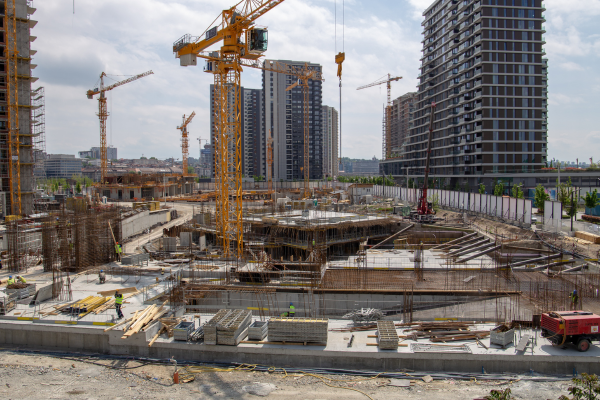
The Trump administration is set to spend at least USD 900 million on construction projects at the White House grounds, according to records reviewed by The Washington Post. The newspaper reported that the total cost of the planned work could reach at least USD 927 million, making it the largest White House construction programme in more than 80 years.
The planned work is part of what the administration refers to as White House modernization projects. The central project is a new East Wing ballroom, alongside construction of a helipad, a new visitor screening facility and upgrades around Lafayette Square. The administration has not publicly disclosed the full cost of all the planned work or provided a complete breakdown of the sources of funding.
Rather than obtaining funding for the entire programme directly through Congress, the administration has brought money from several federal agencies and private donors into an account known as White House Repair and Restoration. The account is normally used for routine maintenance of the executive mansion and has historically held only a few million dollars.
According to budget records reviewed by The Washington Post, the administration has directed USD 875 million into the account since Donald Trump took office. Of this, USD 500 million was transferred from the U.S. Secret Service and the White House Military Office. Private donations accounted for another USD 305 million, while a further USD 70 million was transferred into the account without its source being identified in the documents reviewed by the newspaper.
The use of Secret Service funding has also raised questions. Around USD 415 million of the Secret Service money was transferred to the account after an effort by Trump allies in Congress to approve USD 400 million for the East Wing and visitor screening facility did not pass. The Secret Service funding had originally been appropriated in part for recruiting and training agents.
Hal Duncan, Trump's nominee for deputy budget officer, said in written responses to lawmakers that the construction spending was consistent with the Secret Service's mission because the East Wing modernization work included security-related improvements and structural hardening. The White House has also said that the Secret Service and White House Military Office have a role in providing security infrastructure for the site.
The administration has said the East Wing ballroom itself would be financed with USD 400 million in private donations. However, The Washington Post's review of confidential contracts indicates that taxpayers would cover most of the broader construction programme. The contracts also show that more than USD 100 million of work had already been ordered to be paid from the White House maintenance account by the end of June.
The funding arrangements have become particularly important after a federal appeals court ruled that congressional approval was required for construction of the East Wing ballroom. The ruling followed a legal challenge over the administration's authority to proceed with the project without congressional approval. Trump has said he would appeal the decision, potentially taking the dispute to the U.S. Supreme Court.
Historically, major changes to the White House grounds have generally involved congressional budget requests, appropriations and the use of government agencies to oversee approvals and construction. The Washington Post reported that the Executive Residence, which is responsible for the president's private home and employs fewer than 100 people, is handling the contracts and funds for the current projects. The office is subject to fewer public-record disclosure requirements than most federal agencies, which has kept many of the contracts confidential.
The scale of the current programme is larger than recent White House construction efforts. The previous major renovation of the presidential residence was carried out under President Harry S. Truman after Congress approved funding for extensive structural work. More recently, the Obama administration sought USD 376 million over several years for electrical upgrades and structural repairs to the East and West wings, with Congress approving funding for the work.
The Trump administration's plans have therefore brought both the size of the construction programme and the way it is being funded under scrutiny. The Washington Post said the contracts leave open the possibility that some of the planned work may not proceed as currently outlined and that the full amount may not ultimately be spent. Reuters has also said it was unable to independently verify the newspaper's report. The White House had not immediately responded to Reuters' request for comment.
Source Reuters
Advertisement













 Facebook
 Whatsapp
