Advertisement






The Gulf conflict has disrupted global supply chains, pushed...
REITs have changed the way commercial real estate is owned a...

What does it take to preserve a real estate legacy while bui...
What really powers the cloud? Behind every Google search, A...
A lot of what defines a home isn’t visible at handover. I...
Chhatrapati Sambhajinagar has the potential to develop into a globally competitive manufacturing hub, supported by the Aurangabad Industrial City (AURIC), an established manufacturing base, skilled workforce and resilient supply chains, according to CII Western Region Deputy Chairman Milon Nag. He said industrial regions outside India's traditional metropolitan centres could drive the country's next phase of economic growth. The Shendra-Bidkin Industrial Area within AURIC was identified as a key catalyst for investment, infrastructure, technology, skills, innovation and employment as Maharashtra works towards its USD 1 trillion economy target.
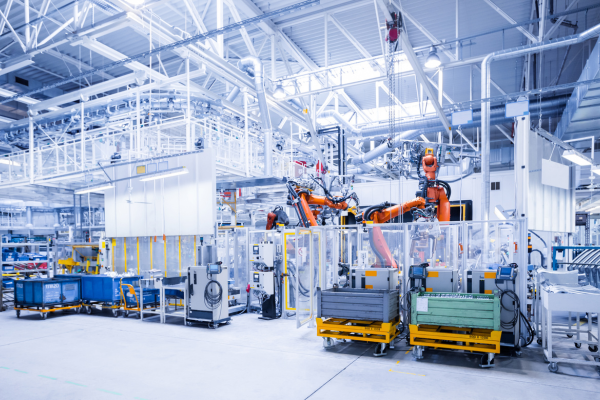
Chhatrapati Sambhajinagar could play a larger role in India's manufacturing growth, with the city having several factors required to develop into a globally competitive industrial centre, including AURIC, an established manufacturing base, skilled talent and supply-chain capabilities.
Confederation of Indian Industry (CII) Western Region Deputy Chairman Milon Nag said regions beyond India's traditional metropolitan centres could become important drivers of the country's next phase of economic growth. Speaking at a media roundtable in Chhatrapati Sambhajinagar, formerly known as Aurangabad, he said the city's industrial base and emerging infrastructure provide an opportunity to attract greater manufacturing activity.
Nag also pointed to Maharashtra's target of becoming a USD 1 trillion economy by 2030. He said achieving this goal would require closer coordination between the state government and industry, with industry bodies such as CII helping identify challenges faced by businesses and develop practical solutions.
The Shendra-Bidkin Industrial Area, which forms part of AURIC, was identified as an important catalyst in this effort. The industrial area is expected to bring together investment, infrastructure, technology, skills, innovation and employment, creating a broader industrial ecosystem in the region.
The CII official said the growing effort by global companies to diversify their supply chains and establish more resilient manufacturing partnerships creates an opportunity for Chhatrapati Sambhajinagar to increase its role in India's manufacturing ambitions. The city's location, industrial base and developing infrastructure could support companies looking to build or expand manufacturing operations outside the country's established metropolitan markets.
However, Nag said attracting investment by itself would not be enough to create a sustainable industrial ecosystem. He said policy support, skilled talent, competitive micro, small and medium enterprises (MSMEs), technology adoption, innovation, quality infrastructure and reliable supply chains would need to develop together.
CII has identified six broad areas for strengthening government-industry collaboration as Maharashtra works towards its USD 1 trillion economy target. These include promoting advanced manufacturing through artificial intelligence, automation, robotics, research and development and technology adoption; improving ease of doing business and accelerating employment generation; and strengthening MSME competitiveness through technology, access to finance and integration with global value chains.
The remaining priorities include developing future-ready skills, accelerating green growth and promoting regional industrial development. According to Nag, these areas would help industrial centres such as Chhatrapati Sambhajinagar and AURIC become stronger contributors to Maharashtra's wider economic growth.
Skilling is another area where CII is working to strengthen the regional industrial ecosystem. Nag said the CII MSTI-MITL Skill Centre at AURIC focuses on developing industry-aligned skills. The organisation's MSME programmes include buyer-seller meets, export-readiness programmes, technology initiatives and quality improvement programmes aimed at helping smaller businesses improve their capabilities and industry linkages.
The Shendra-Bidkin Industrial Area is a key component of AURIC, an industrial city being developed under the Delhi-Mumbai Industrial Corridor framework. The wider AURIC development is intended to support manufacturing and other industrial activities through planned infrastructure and connectivity, making the region part of Maharashtra's broader industrial development strategy.
Nag said Maharashtra's next phase of growth would depend on building integrated regional ecosystems rather than focusing only on attracting individual investments. In such an ecosystem, investment needs to translate into employment, infrastructure needs to support industrial activity, skills need to improve employability, MSMEs need to develop as stronger suppliers and technology needs to improve the competitiveness of businesses.
Source PTI
Advertisement













 Facebook
 Whatsapp
