Advertisement






The Gulf conflict has disrupted global supply chains, pushed...
REITs have changed the way commercial real estate is owned a...

What does it take to preserve a real estate legacy while bui...
What really powers the cloud? Behind every Google search, A...
A lot of what defines a home isn’t visible at handover. I...
Jaipur's markets are more than shopping destinations. They remain the primary link between centuries-old craft traditions and modern consumers. From Johari Bazaar's gemstone trade and Bapu Bazaar's textiles to workshops producing the city's renowned blue pottery, these commercial corridors continue to support artisans, traders and tourism. Recent government initiatives aimed at handicraft promotion, artisan training and cluster development underscore the economic significance of these traditional markets, even as conservation and infrastructure challenges persist across the historic walled city.
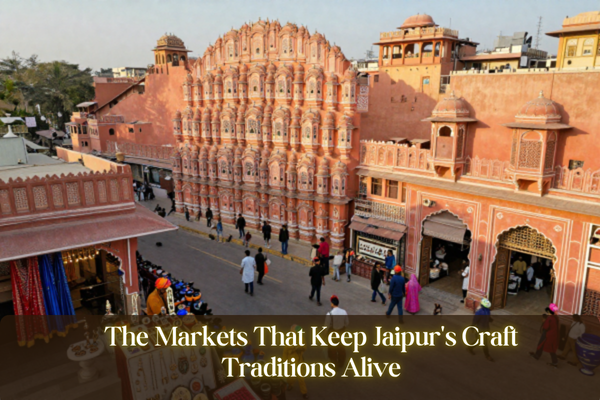
Long before Jaipur became a global tourism destination, its markets functioned as centres of commerce, craftsmanship and cultural exchange. Today, many of these historic bazaars continue to sustain traditional industries that have shaped the city's identity for generations, connecting artisans with local buyers, domestic tourists and international visitors alike.
Johari Bazaar Keeps Jaipur's Jewellery Legacy Alive
Among Jaipur's most recognisable commercial districts, Johari Bazaar remains central to the city's gemstone and jewellery trade. The market's roots can be traced to Jaipur's historic role as a centre for gem cutting, polishing and jewellery manufacturing. Thousands of traders, artisans and merchants continue to operate within the district, reinforcing the city's reputation as one of India's leading jewellery hubs. The market also serves as an important economic anchor within the UNESCO-listed Walled City, attracting visitors seeking handcrafted jewellery, precious stones and traditional Rajasthani designs.
Bapu Bazaar Remains a Showcase for Jaipur's Textile Crafts
Bapu Bazaar continues to be one of Jaipur's most visited retail districts, known for block-printed textiles, mojari footwear, handicrafts and traditional garments. The market provides an important sales channel for artisans and small businesses involved in Rajasthan's textile ecosystem.The enduring popularity of hand-block printing and traditional fabrics highlights how heritage crafts remain commercially relevant despite changing retail trends.
Tripolia Bazaar Preserves Traditional Metalwork and Lac Crafts
Tripolia Bazaar is closely associated with lac bangles, brassware and traditional decorative products. Many family-run businesses continue to operate within the market, preserving techniques passed down through generations. The market demonstrates how Jaipur's historic commercial quarters remain intertwined with artisan livelihoods, supporting craft sectors that continue to attract both domestic and international buyers.
Blue Pottery Finds Its Marketplace in Jaipur's Craft Corridors
Few crafts are as closely associated with Jaipur as Blue Pottery. The craft, which received a Geographical Indication (GI) tag in 2006, continues to be produced by artisan communities across Jaipur and sold through markets, craft centres and specialised retailers. Blue Pottery remains distinctive for its use of quartz rather than clay and its hand-painted cobalt-blue designs.Recent initiatives have focused on strengthening artisan livelihoods and improving production infrastructure. Capacity-building programmes for Blue Pottery artisans were undertaken in 2025 to improve manufacturing efficiency and reduce production losses.
Kishanpole Bazaar Supports Jaipur's Wood and Handicraft Traditions
Kishanpole Bazaar remains a key destination for wooden handicrafts, carved furniture and decorative products. The market has long been associated with artisan communities specialising in woodworking and handcrafted home décor.As demand for handmade products grows among tourists and urban consumers, the market continues to provide visibility for traditional craftsmanship within Jaipur's heritage economy.
Chandpole Bazaar Connects Artisans to Contemporary Demand
Chandpole Bazaar is known for marble carvings, handicrafts and artisan workshops. The market demonstrates how Jaipur's traditional craft sectors have adapted to changing consumer preferences while retaining their core identity.Many businesses now combine traditional techniques with contemporary designs, helping local crafts reach wider domestic and export markets.
Government Support Is Strengthening Jaipur's Craft Ecosystem
The Rajasthan government approved nearly INR 58 crore under the Integrated Cluster Development Scheme to strengthen MSMEs, handicrafts and handloom sectors. The initiative includes technology upgrades, common infrastructure facilities and artisan training programmes. Around 300 artisans from Jaipur and other districts are expected to benefit from specialised skill-development efforts.Such programmes highlight the continuing economic importance of traditional crafts within Rajasthan's broader development strategy.
Heritage Conservation Is Becoming Critical for Market Sustainability
While Jaipur's historic markets remain vibrant, preservation challenges are becoming increasingly visible. Structural deterioration in parts of the Walled City has raised concerns among traders and conservationists. In late 2025, portions of shop verandahs collapsed in Nehru Bazaar, prompting renewed discussions around maintenance and heritage-sensitive infrastructure upgrades across traditional market districts.The long-term sustainability of Jaipur's market economy depends not only on supporting artisans but also on preserving the historic urban fabric that houses these businesses.
Jaipur's markets continue to function as living institutions where commerce, heritage and craftsmanship intersect. From jewellery and textiles to Blue Pottery and woodwork, these bazaars sustain traditions that have endured for centuries. Their continued success reflects the resilience of local artisans and the enduring appeal of handmade craftsmanship.
Sources: The Times of India, PTI, The Hindu, UNESCO World Heritage Centre, Rajasthan Industries Department releases, NABARD GI documentation, Government of Rajasthan announcements, and FY2025-26 reports on handicraft clusters, artisan development and heritage conservation in Jaipur.
Advertisement













 Facebook
 Whatsapp
