Advertisement






The Gulf conflict has disrupted global supply chains, pushed...
REITs have changed the way commercial real estate is owned a...

What does it take to preserve a real estate legacy while bui...
What really powers the cloud? Behind every Google search, A...
A lot of what defines a home isn’t visible at handover. I...
Kashmir's heritage extends beyond its monuments to landscapes where history, culture and nature converge. From Srinagar's Mughal gardens and historic neighbourhoods to ancient temple complexes and mountain destinations, these corridors continue to define the Valley's identity. During FY2025-26, road upgrades, tunnel projects, Smart City works, heritage restoration and tourism infrastructure improvements enhanced connectivity and public access, reinforcing the role of these destinations in preserving Kashmir's cultural legacy while supporting sustainable tourism.
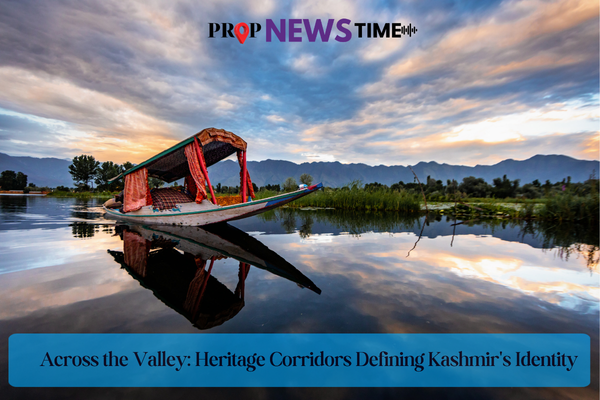
Kashmir's identity has long been shaped by routes linking historic towns, gardens, shrines and mountain landscapes. These heritage corridors connect centuries of history with the Valley's natural beauty while supporting tourism, culture and local communities. Recent infrastructure upgrades have further improved access to several of these iconic destinations across Jammu and Kashmir.
Srinagar's Heritage Core
The old city of Srinagar remains the cultural heart of Kashmir, home to historic neighbourhoods, traditional markets, Jama Masjid, Khanqah-e-Moula and centuries-old wooden architecture. Under the Srinagar Smart City Mission, FY2025-26 witnessed continued façade restoration, pedestrian-friendly streets, riverfront improvements along the Jhelum and upgrades to public spaces, strengthening the city's historic urban landscape.
The Mughal Garden Corridor
Shalimar Bagh, Nishat Bagh, Chashme Shahi and Pari Mahal together represent Kashmir's celebrated Mughal heritage. Set against the backdrop of the Zabarwan Range and Dal Lake, these gardens continue to attract visitors throughout the year. Conservation works, visitor amenities and landscape improvements remained part of tourism and heritage initiatives undertaken during FY2025-26.
The Pahalgam Heritage Route
Known for its scenic valleys and religious significance as part of the Amarnath Yatra route, Pahalgam combines natural beauty with cultural heritage. During FY2025-26, infrastructure improvements, highway upgrades and tourism facility enhancements supported better connectivity while maintaining the destination's importance within Kashmir's tourism landscape.
The Sonamarg Mountain Corridor
Sonamarg serves as one of Kashmir's principal gateways to the higher Himalayas. The inauguration of the Z-Morh Tunnel significantly improved all-weather connectivity between Gagangir and Sonamarg, reducing seasonal disruptions and strengthening access to one of the Valley's most visited mountain destinations.
The Martand Heritage Precinct
The Martand Sun Temple near Anantnag remains one of India's most significant archaeological monuments. Built during the eighth century, the temple reflects Kashmir's early architectural traditions. Conservation by the Archaeological Survey of India and continued improvements in regional connectivity have supported visitor access to this historic site.
The Verinag Cultural Landscape
Verinag, recognised as the source of the Jhelum River, combines Mughal architecture with natural springs and landscaped gardens. The destination remains an important stop along the historic Mughal Road. Tourism infrastructure, public amenities and highway improvements during FY2025-26 further strengthened its accessibility.
The Gulmarg Tourism Corridor
Gulmarg continues to combine natural landscapes with tourism infrastructure. Known for its meadow, gondola and winter sports facilities, the destination benefited from ongoing road maintenance, visitor infrastructure improvements and tourism development works undertaken by the Jammu and Kashmir administration during FY2025-26.
From Srinagar's historic quarters to the mountain landscapes of Sonamarg and Gulmarg, Kashmir's heritage corridors continue to connect culture, history and nature. Supported by ongoing conservation, improved connectivity and tourism infrastructure, these destinations remain central to preserving the Valley's identity while enhancing visitor access across the region.
Source: Ministry of Tourism Annual Report FY2025-26, Jammu & Kashmir Tourism Department, Srinagar Smart City Mission, Ministry of Road Transport & Highways, National Highways & Infrastructure Development Corporation Limited (NHIDCL), Archaeological Survey of India (ASI), PIB releases, and reports from The Hindu, The Indian Express, Greater Kashmir and Hindustan Times.
Advertisement













 Facebook
 Whatsapp
