Advertisement






What really powers the cloud? Behind every Google search, A...
A lot of what defines a home isn’t visible at handover. I...
Private equity has played a significant role in shaping Indi...
Luxury real estate is one of the most talked-about segments ...
Airports play a much bigger role than just enabling travel -...
Indian investors are increasingly directing capital towards Dubai’s commercial real estate market, expanding beyond their traditionally strong presence in the emirate’s residential sector. Industry estimates indicate that Indian buyers accounted for nearly 23% of all foreign residential transactions in the UAE, investing around AED 37–41 billion (approximately INR 85,000–95,000 crore) during 2025. The shift reflects growing interest in income-generating office, logistics and industrial assets that offer stable rental returns and portfolio diversification. Dubai’s strategic location, transparent regulatory environment, business-friendly policies, currency stability and expanding financial and logistics sectors continue to support demand for Grade A commercial properties, attracting high-net-worth individuals, family offices and business owners seeking long-term international investment opportunities.
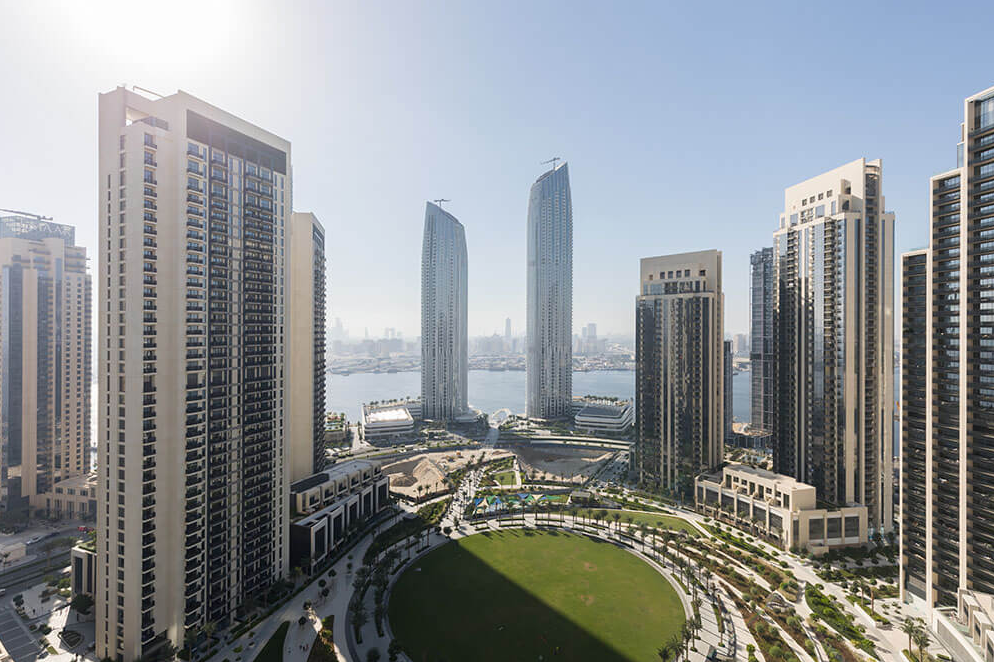
Indian investors are broadening their investment strategy in Dubai by increasing allocations to commercial real estate, complementing their longstanding interest in the emirate’s residential property market. The trend has gathered pace over the past year as investors seek recurring rental income, institutional-grade assets and greater geographical diversification, supported by Dubai’s position as a global business and financial centre.
Dubai has strengthened its reputation as an international investment destination through its strategic location linking Asia, Europe, Africa and the Middle East, alongside modern infrastructure, transparent regulations and a business-friendly operating environment. These factors have contributed to sustained demand for commercial property across key business districts.
According to industry estimates, Indian investors accounted for nearly 23% of all foreign residential property transactions in the UAE during 2025, with investments valued at approximately AED 37–41 billion, equivalent to around INR 85,000–95,000 crore. While residential acquisitions continue to represent a significant share of Indian investment activity, there has been a noticeable shift towards commercial assets capable of generating stable long-term income.
Several policy and economic factors have reinforced Dubai’s appeal. The UAE dirham’s peg to the US dollar offers currency stability for overseas investors, while the Golden Visa programme has encouraged many affluent Indian families to consider Dubai not only as an investment destination but also as a long-term base for business operations and wealth creation. In addition, investor-friendly regulations, a competitive tax regime and multiple free zones permitting 100% foreign ownership continue to attract multinational businesses and entrepreneurs.
The expansion of Dubai’s business ecosystem has created sustained demand for premium office space. The Dubai International Financial Centre (DIFC), the region’s principal financial hub, currently accommodates more than 8,800 active companies, including over 1,050 regulated financial institutions, alongside hundreds of banks, wealth management firms and capital market participants. Other commercial districts, including Business Bay, Downtown Dubai and Dubai Internet City, have also emerged as preferred locations for multinational corporations, technology companies and professional services firms.
For investors, these business districts provide access to Grade A commercial assets supported by established tenants, longer lease durations and comparatively stable rental income. Dubai’s commercial market also offers competitive risk-adjusted returns, transparent leasing frameworks, relatively straightforward regulatory procedures and easier capital repatriation compared with several international markets and premium office assets in major Indian cities. These characteristics have made commercial property increasingly attractive to Indian high-net-worth individuals, family offices and business owners seeking international diversification.
Beyond the office sector, logistics and industrial real estate are also attracting greater investor interest. Supported by infrastructure such as Jebel Ali Port, Al Maktoum International Airport and integrated logistics corridors, Dubai continues to consolidate its role as a global trade and trans-shipment hub. The continued expansion of e-commerce and changes in global supply chains have further strengthened demand for warehousing and industrial facilities.
The evolving investment pattern reflects a broader change in priorities among Indian investors, with greater emphasis on asset quality, tenant profile, lease strength, occupancy levels and sustainable long-term income rather than focusing solely on capital appreciation or residency-linked investments. With disciplined due diligence and a long-term investment horizon, Dubai’s commercial real estate market is increasingly being viewed as a strategic avenue for building international property portfolios.
Advertisement













 Facebook
 Whatsapp
