Advertisement






What really powers the cloud? Behind every Google search, A...
A lot of what defines a home isn’t visible at handover. I...
Private equity has played a significant role in shaping Indi...
Luxury real estate is one of the most talked-about segments ...
Airports play a much bigger role than just enabling travel -...
Large office transactions continued to dominate India's commercial real estate market during the first half of 2026, accounting for 59% of total leasing activity, according to a market report. The trend reflects sustained expansion by major occupiers, particularly Global Capability Centres (GCCs), technology firms and multinational companies seeking high-quality office space. The report indicates that large-format leasing remains a key driver of demand across leading office markets, reinforcing confidence in India's long-term commercial real estate sector.
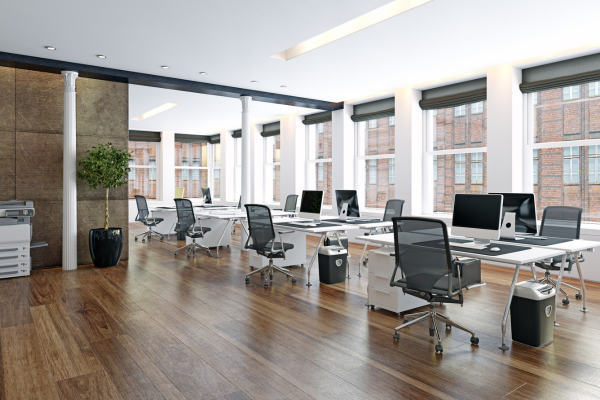
Large office transactions remained the defining feature of India's commercial real estate market during the first half of 2026, contributing 59% of the total office leasing volume across the country's leading office markets, according to a recent industry report. The findings highlight the continued preference among large corporate occupiers for sizable Grade A office spaces despite ongoing global economic uncertainties, reflecting sustained confidence in India's position as a strategic business destination.
The report attributes this trend to the expansion strategies of multinational corporations, Global Capability Centres (GCCs), technology companies and other knowledge-based industries that continue to consolidate operations and establish larger office campuses. Rather than opting for fragmented office footprints, many occupiers are increasingly seeking integrated workspaces capable of accommodating long-term workforce growth while supporting evolving workplace requirements.
The growing share of large transactions also reflects the maturity of India's office market. Developers have responded by delivering institutional-grade office assets equipped with modern amenities, sustainability features and advanced building technologies that meet the operational expectations of global occupiers. This has strengthened the availability of premium office stock across key business districts and emerging commercial corridors.
According to the report, leasing activity remained concentrated in India's major office markets, where established infrastructure, skilled talent pools and improving connectivity continue to attract corporate investment. Cities with strong ecosystems for technology, financial services, engineering, consulting and business support services maintained healthy demand from both domestic and international occupiers. The report also notes that companies continue to prioritise locations offering quality infrastructure, accessibility and long-term scalability.
Another notable trend highlighted in the report is the continued expansion of Global Capability Centres, which remain among the largest contributors to office absorption. Many multinational companies are enlarging their India operations by establishing integrated campuses that house technology, research, finance and business support functions under one roof. This shift has increased demand for larger office spaces capable of supporting multiple business functions within a single development.
The preference for large office transactions has also influenced developer strategies. Commercial developers are increasingly planning projects with expansive floor plates, sustainable building certifications and flexible workspace configurations that can accommodate evolving occupier requirements. These features have become important differentiators as businesses place greater emphasis on operational efficiency, employee experience and environmental performance.
From a market perspective, sustained demand for larger office spaces reflects confidence in India's long-term economic fundamentals. Stable leasing activity by major occupiers supports investment in commercial real estate while encouraging continued development of Grade A office assets across established and emerging business districts. The report suggests that this demand is likely to remain supported by ongoing corporate expansion, digital transformation initiatives and the growing role of India as a global business services hub.
While flexible work models continue to influence workplace strategies, the report indicates that they have not diminished demand for high-quality office space. Instead, many organisations are adopting hybrid workplace models that continue to require substantial physical office infrastructure for collaboration, innovation and business continuity.
The continued dominance of large office transactions during H1 2026 demonstrates the resilience of India's commercial real estate sector. As corporate occupiers continue expanding operations and investing in future-ready workplaces, large-format leasing is expected to remain a key driver of office market performance in the coming quarters.
Source- Knight Frank
Advertisement













 Facebook
 Whatsapp
