Advertisement






The Gulf conflict has disrupted global supply chains, pushed...
REITs have changed the way commercial real estate is owned a...

What does it take to preserve a real estate legacy while bui...
What really powers the cloud? Behind every Google search, A...
A lot of what defines a home isn’t visible at handover. I...
Mumbai's Sewri-Worli Elevated Connector is expected to miss its earlier completion target, with the project now likely to open in early 2027. The revised timeline reflects delays in executing critical engineering works on one of the city's most significant road infrastructure projects. Once operational, the connector will provide a direct link between the Mumbai Trans Harbour Link (Atal Setu), the Bandra-Worli Sea Link and the Coastal Road, improving east-west connectivity and easing traffic movement across Mumbai.
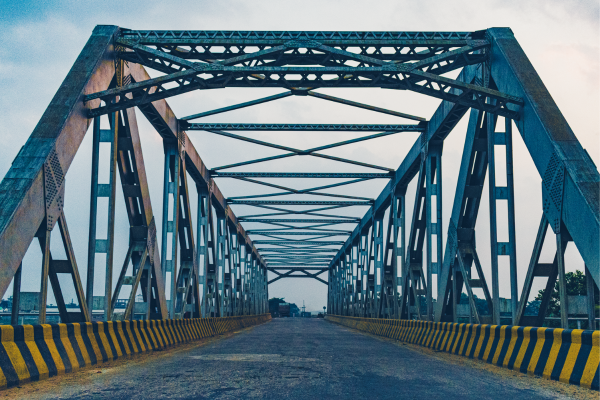
The completion of Mumbai's Sewri-Worli Elevated Connector has been pushed back, with the project now expected to become operational in early 2027 instead of meeting its earlier target. The revised schedule follows delays in executing key engineering components of the corridor, which is designed to establish a seamless road connection between the city's eastern waterfront and its western coastal transport network.
The elevated connector is one of Mumbai's most strategically important transport projects as it will integrate the Mumbai Trans Harbour Link (Atal Setu) with the Bandra-Worli Sea Link and the Coastal Road. By creating this missing east-west link, the project is expected to significantly improve traffic distribution across the metropolitan road network and reduce dependence on congested arterial roads passing through central Mumbai.
Construction of the corridor involves complex engineering activities across densely developed urban areas where work must be coordinated alongside existing road infrastructure, railway lines and utility networks. Such conditions require phased execution, traffic management measures and coordination among multiple agencies, making project implementation more challenging than conventional highway construction. These factors have contributed to the extension of the completion timeline.
Several interconnected infrastructure works also influence the project's progress. Certain sections require completion of bridge structures, approach roads and associated connectivity works before the corridor can be commissioned as a continuous route. Since these components are operationally linked, delays in one segment can affect the overall delivery schedule of the project.
Once completed, the connector is expected to substantially reduce travel time between eastern and western parts of Mumbai by providing uninterrupted connectivity for vehicles travelling from Navi Mumbai and the eastern suburbs towards the city's western business districts. The project will also improve access to major commercial hubs, port-related infrastructure and residential neighbourhoods that are expected to witness increased connectivity after the corridor becomes operational.
Beyond traffic management, the infrastructure is expected to influence long-term urban development. Improved accessibility generally enhances the attractiveness of surrounding localities for residential, commercial and mixed-use projects. Areas such as Sewri, Wadala, Parel and Worli have already experienced growing development activity in anticipation of enhanced regional connectivity, and the completion of the connector is expected to further strengthen these trends.
The project forms part of Mumbai's broader strategy to create an integrated road transport network through a combination of sea links, elevated corridors and expressways. Rather than functioning as an isolated project, the connector will complement existing infrastructure by enabling smoother movement between major transport corridors and reducing bottlenecks at key junctions across the city.
Although commuters will have to wait longer than initially anticipated, construction continues to progress on the corridor. Once operational, the Sewri-Worli Elevated Connector is expected to play a transformative role in Mumbai's transport network by improving east-west mobility, supporting future traffic growth and strengthening integration between some of the city's most important infrastructure assets.
Advertisement













 Facebook
 Whatsapp
