Advertisement






What really powers the cloud? Behind every Google search, A...
A lot of what defines a home isn’t visible at handover. I...
Private equity has played a significant role in shaping Indi...
Luxury real estate is one of the most talked-about segments ...
Airports play a much bigger role than just enabling travel -...
Indian Railways has approved the construction of a 14.52-km third railway line between Nimpura West Outer Cabin and Midnapur in West Bengal at an estimated cost of INR 440 crore. The project is intended to increase rail capacity on a heavily used section of the South Eastern Railway, enabling smoother movement of passenger and freight trains. The additional line is expected to improve operational efficiency, reduce congestion and strengthen rail connectivity while supporting future traffic growth across the region.
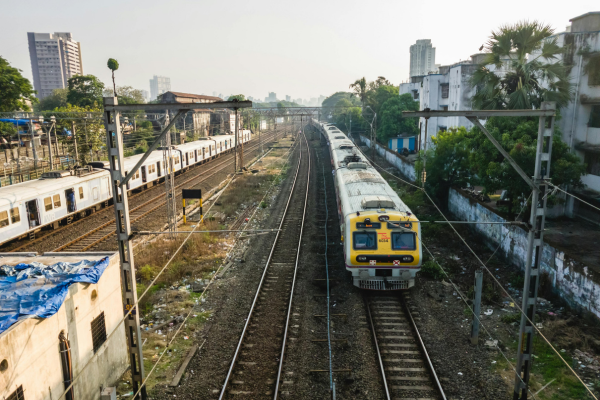
Indian Railways has sanctioned a INR 440 crore project to construct a 14.52-km third railway line between Nimpura West Outer Cabin and Midnapur on the South Eastern Railway. The project forms part of the national transporter’s ongoing efforts to enhance network capacity on high-density routes where increasing passenger and freight traffic has placed sustained pressure on existing infrastructure. The approval is expected to improve operational flexibility while strengthening one of eastern India's important railway corridors.
The proposed third line has been planned to address growing traffic requirements on the route by creating additional capacity for train operations. With passenger services and freight movement expanding simultaneously, existing rail infrastructure has been operating under increasing pressure. The new line will enable better traffic segregation, reduce operational bottlenecks and improve the ability of railway authorities to manage train movements more efficiently during peak periods.
The corridor plays a significant role in supporting regional connectivity across West Bengal and neighbouring states. Besides facilitating passenger travel, it serves industries that depend on rail transport for the movement of raw materials, manufactured goods and other bulk commodities. Additional track capacity is expected to improve the reliability of freight operations while allowing passenger services to operate with greater punctuality.
The project also reflects Indian Railways' broader infrastructure strategy of strengthening existing corridors instead of relying solely on new routes. Capacity augmentation through additional lines has become an important approach to accommodating higher traffic volumes without disrupting established transport networks. Such investments are intended to ensure that railway infrastructure keeps pace with rising economic activity and increasing demand for rail-based transportation.
Implementation of the project will include not only the construction of the additional track but also associated civil works, signalling systems, electrical infrastructure and other operational facilities required for seamless integration with the existing network. Modern railway systems rely on coordinated infrastructure upgrades that improve safety, operational control and overall network efficiency alongside track expansion.
Beyond improving railway operations, the project is expected to generate wider economic benefits by supporting faster and more reliable logistics. Industries located along the route are likely to benefit from enhanced freight capacity, while improved passenger connectivity can contribute to regional mobility and economic integration. Better rail infrastructure also strengthens supply chains by enabling more efficient transportation of goods between production centres and markets.
The approval aligns with the government's continued focus on expanding railway infrastructure as part of its long-term transport development strategy. Capacity enhancement projects across the country are aimed at improving service quality, increasing freight share and supporting sustainable transport through greater use of the rail network.
Once completed, the third railway line is expected to enhance operational resilience, reduce congestion on the existing corridor and create additional capacity for future growth. By expanding infrastructure on a strategically important section of the South Eastern Railway, the project will contribute to a more efficient, reliable and future-ready rail network capable of meeting the evolving transportation needs of both passengers and industry.
Source- PIB
Advertisement













 Facebook
 Whatsapp
