Advertisement






The Gulf conflict has disrupted global supply chains, pushed...
REITs have changed the way commercial real estate is owned a...

What does it take to preserve a real estate legacy while bui...
What really powers the cloud? Behind every Google search, A...
A lot of what defines a home isn’t visible at handover. I...
The Supreme Court has intensified its scrutiny of enforcement measures against illegal constructions in Haryana, particularly in Gurugram, while reviewing the role of civic authorities in implementing court directions. The proceedings focus on whether municipal agencies have acted effectively against unauthorised structures and complied with earlier judicial orders. The case is expected to influence future enforcement practices, strengthen institutional accountability and reinforce the importance of regulatory compliance in urban planning and development.
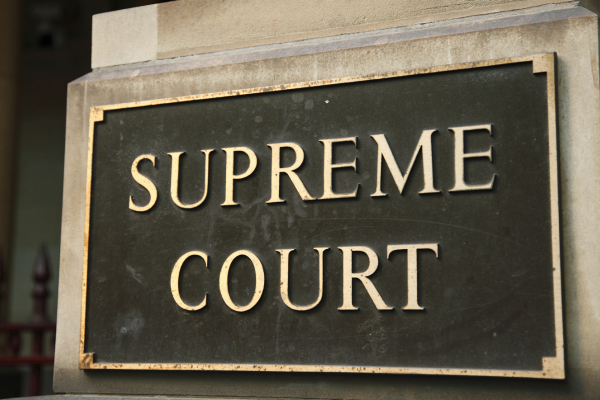
The Supreme Court has intensified its examination of enforcement measures against illegal constructions in Haryana, placing the functioning of civic authorities under judicial scrutiny during ongoing proceedings related to unauthorised developments. The Court is reviewing whether municipal bodies and government agencies have effectively implemented earlier directions aimed at identifying and removing structures built in violation of planning regulations, particularly in rapidly urbanising areas such as Gurugram.
The proceedings centre on the implementation of existing laws rather than the framing of new regulations. The Court has sought explanations from the authorities regarding the steps taken to address illegal constructions and whether administrative agencies have discharged their statutory responsibilities within the prescribed legal framework. The review reflects the judiciary's continued emphasis on ensuring that urban development is carried out in accordance with approved plans and applicable planning norms.
Illegal construction remains a persistent challenge in several expanding urban centres, where rapid real estate growth often places pressure on enforcement mechanisms. Unauthorised buildings can affect public infrastructure, strain civic amenities, compromise environmental planning and create long-term legal disputes for property owners and residents. The Supreme Court's review highlights the broader importance of timely regulatory intervention in preventing such developments from becoming permanent urban issues.
During the proceedings, the Court examined the actions taken by civic authorities to identify violations, initiate demolition or corrective measures where required, and ensure compliance with previous judicial directions. The focus extends beyond individual structures to the overall effectiveness of municipal enforcement systems and the accountability of officials responsible for implementing planning laws. The observations made during the hearing indicate the Court's intention to closely monitor administrative compliance rather than rely solely on policy assurances.
The case also underscores the responsibilities of urban local bodies in balancing development with regulatory oversight. Municipal agencies are entrusted with granting building permissions, monitoring construction activity and taking enforcement action whenever violations are detected. Effective implementation of these responsibilities is considered essential for maintaining planned urban growth and protecting public interest.
For the real estate sector, the proceedings serve as a reminder that regulatory compliance remains central to project execution. Developers, landowners and property purchasers increasingly rely on transparent approval processes and consistent enforcement to minimise legal uncertainty. Strong institutional oversight can also improve confidence in the planning system by ensuring that approved developments are not undermined by unauthorised construction.
The outcome of the proceedings may influence future enforcement practices across Haryana by encouraging municipal authorities to strengthen monitoring mechanisms, improve coordination among departments and act more promptly against planning violations. It may also prompt administrative reforms aimed at improving accountability and reducing delays in enforcement action.
While the matter remains under judicial consideration, the Supreme Court's review reinforces the principle that urban development must be guided by lawful planning processes and effective governance. The proceedings highlight the judiciary's continuing role in overseeing compliance with planning regulations and ensuring that civic authorities fulfil their statutory obligations in protecting the integrity of urban infrastructure and land-use management.
Advertisement













 Facebook
 Whatsapp
