Advertisement






What really powers the cloud? Behind every Google search, A...
A lot of what defines a home isn’t visible at handover. I...
Private equity has played a significant role in shaping Indi...
Luxury real estate is one of the most talked-about segments ...
Airports play a much bigger role than just enabling travel -...
NTPC is pursuing partnerships with nuclear technology providers from France, Russia and the United States as it develops a 30 GW nuclear power programme through its subsidiary, NTPC Parmanu Urja Nigam Limited. The initiative supports India’s target of expanding nuclear generation capacity to 100 GW by 2047. The company is evaluating a mix of indigenous and imported reactor technologies, including small modular reactors, while exploring localisation, supply-chain development and long-term project frameworks to strengthen the country’s nuclear energy infrastructure.
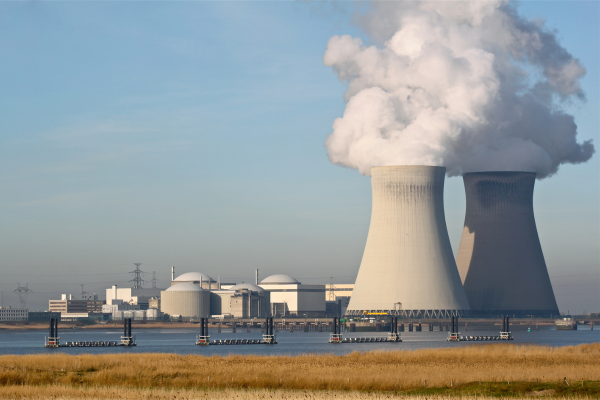
NTPC is pursuing partnerships with global nuclear technology companies as it prepares to build a 30 GW nuclear power portfolio by 2047, a programme that forms part of India’s broader objective of expanding nuclear generation capacity to 100 GW over the next two decades. Through its wholly owned subsidiary, NTPC Parmanu Urja Nigam Limited (NPUNL), the company is evaluating reactor technologies from France, Russia and the United States while also retaining a significant focus on indigenous nuclear systems.
The company’s nuclear development strategy envisages a combination of domestically developed Pressurised Heavy Water Reactors (PHWRs) and imported Pressurised Water Reactors (PWRs). According to NPUNL Chairman K Shanmugha Sundaram, NTPC is exploring reactor technologies from multiple international suppliers rather than relying on a single source. The planned portfolio is also expected to include a proportion of Small Modular Reactors (SMRs), reflecting the company’s interest in emerging nuclear technologies.
NTPC established NPUNL in 2025 to spearhead its entry into the nuclear power sector. The company has subsequently initiated discussions with global reactor developers and technology providers as the government moves to expand participation in the sector and accelerate capacity creation. The programme is expected to require substantial capital investment and long-term technology partnerships.
As part of these efforts, NTPC signed a non-binding memorandum of understanding with French utility EDF in recent months. The agreement provides a framework for both organisations to assess the feasibility of developing nuclear power projects in India, evaluate EDF’s European Pressurised Reactor (EPR) technology, examine localisation opportunities and review economic and tariff-related aspects of potential projects. The cooperation arrangement also includes provisions for training programmes, technical support and site assessments.
The company has simultaneously been examining advanced fuel technologies and domestic nuclear development opportunities. Earlier this year, officials highlighted collaborations involving thorium-based fuel systems and ongoing efforts to strengthen India's indigenous nuclear capabilities. These initiatives are intended to complement large-scale reactor deployment while supporting long-term fuel security and technology development.
NTPC’s nuclear expansion programme forms part of the government’s wider strategy to increase the share of nuclear energy in the national power mix. Current plans envisage approximately 70–75 per cent of the targeted 100 GW nuclear capacity being developed by government entities, with the balance expected to come from private sector participation as policy reforms progress.
The utility has indicated that technology diversification, localisation and supply-chain resilience will remain central considerations as it develops its nuclear portfolio. With project planning underway and discussions continuing with international reactor suppliers, NTPC is positioning nuclear energy as a significant component of its long-term generation infrastructure strategy.
Advertisement













 Facebook
 Whatsapp
