Advertisement






What really powers the cloud? Behind every Google search, A...
A lot of what defines a home isn’t visible at handover. I...
Private equity has played a significant role in shaping Indi...
Luxury real estate is one of the most talked-about segments ...
Airports play a much bigger role than just enabling travel -...
• India added 2.7 GW of rooftop solar capacity in the first quarter of 2026, marking a 125% year-on-year increase driven largely by residential installations.
• Maharashtra and Uttar Pradesh emerged as the leading contributors, supported by rising consumer adoption and policy-backed solar initiatives.
• The strong growth helped India achieve record solar additions during the quarter, highlighting the growing role of distributed renewable energy in the country's clean energy transition.
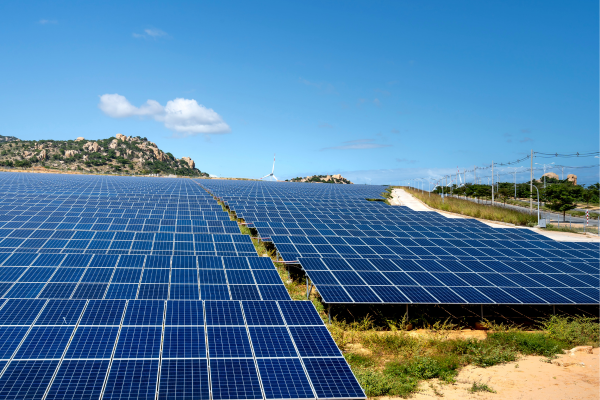
India's rooftop solar market recorded one of its strongest quarters to date, with installations rising 125% year-on-year during the first quarter of 2026. The surge was driven primarily by residential consumers, whose participation has accelerated following policy incentives, improved financing options and growing awareness of long-term electricity savings.
According to industry assessments, India added approximately 2.7 GW of rooftop solar capacity between January and March 2026. The growth significantly outpaced additions recorded during the same period last year and contributed to a record quarter for the country's overall solar sector. The expansion reflects increasing momentum in distributed renewable energy systems, which are becoming an important component of India's broader energy transition strategy.
A major factor behind the growth has been the rapid adoption of rooftop solar systems by households. Government-backed initiatives aimed at promoting residential solar installations have encouraged consumers to invest in solar energy as a means of reducing electricity bills and improving energy independence. The availability of subsidies, streamlined approval processes and greater awareness of solar benefits have further strengthened demand.
Among the states, Maharashtra and Uttar Pradesh emerged as the largest contributors to new rooftop solar capacity during the quarter. Both states have witnessed significant uptake in residential installations, supported by favourable policies and expanding implementation programmes. Their performance underscores the growing geographic spread of rooftop solar adoption beyond traditional renewable energy markets.
The quarter also benefited from a rush of project execution linked to policy timelines and implementation targets. Industry participants accelerated installations to capitalise on available incentives and meet programme deadlines, contributing to the unusually strong growth figures. The resulting increase helped push India's total rooftop solar capacity to new highs.
Beyond residential consumers, commercial and industrial users continued to invest in rooftop solar systems as businesses seek to lower operating costs and improve sustainability performance. However, the residential segment remained the primary growth driver during the quarter, accounting for a significant share of newly added capacity.
The broader solar sector also posted strong results during the period. India recorded record utility-scale and rooftop solar additions combined, reinforcing the country's position as one of the fastest-growing renewable energy markets globally. Analysts note that distributed solar systems are becoming increasingly important because they reduce pressure on transmission infrastructure while bringing generation closer to consumption centres.
Industry experts believe the strong first-quarter performance could set the tone for the rest of 2026, provided policy support remains consistent and implementation bottlenecks are addressed. Continued growth in rooftop solar is expected to play a crucial role in helping India achieve its renewable energy targets while expanding access to clean power.
The latest figures demonstrate that rooftop solar is moving beyond a niche segment to become a mainstream energy solution. As adoption widens across households, businesses and institutions, distributed solar generation is expected to contribute increasingly to India's long-term energy security and decarbonisation objectives.
Advertisement













 Facebook
 Whatsapp
