Advertisement






What really powers the cloud? Behind every Google search, A...
A lot of what defines a home isn’t visible at handover. I...
Private equity has played a significant role in shaping Indi...
Luxury real estate is one of the most talked-about segments ...
Airports play a much bigger role than just enabling travel -...
AFC Furniture Solutions has joined the UN Global Compact Network India (UNGCNI) as an Annual Business Participant for the 2026–27 period, reinforcing its commitment to sustainability, ethical manufacturing and responsible business practices. The move aligns the company with the UN Global Compact's Ten Principles covering human rights, labour, environment and anti-corruption, while supporting the United Nations Sustainable Development Goals. AFC said the participation builds on its existing sustainability initiatives, including lifecycle assessments, greenhouse gas reduction measures and the use of low-emission materials. The company will engage with UNGCNI programmes, submit annual progress disclosures and expand efforts around responsible manufacturing, supply chain transparency and workplace safety as demand grows for ESG-focused workplace and infrastructure solutions.
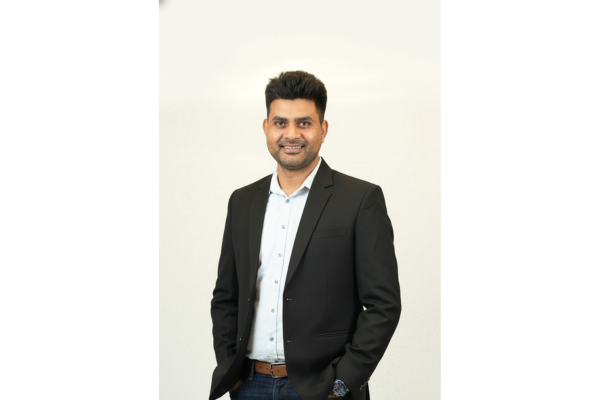
AFC Furniture Solutions has joined the UN Global Compact Network India (UNGCNI) as an Annual Business Participant for the period from April 2026 to March 2027, strengthening its alignment with internationally recognised sustainability and responsible business frameworks.
The company said the participation reflects its commitment to ethical manufacturing practices, environmental responsibility and transparent governance at a time when environmental, social and governance (ESG) considerations are becoming increasingly important across India's manufacturing and workplace infrastructure sectors.
The UN Global Compact Network India serves as the Indian chapter of the United Nations Global Compact and brings together organisations committed to implementing the initiative's Ten Principles relating to human rights, labour standards, environmental protection and anti-corruption measures. Participating companies are also encouraged to support the achievement of the United Nations Sustainable Development Goals (SDGs).
According to AFC, its participation in the network builds upon sustainability measures that have already been incorporated into its design, sourcing and manufacturing operations. The company said it intends to further strengthen environmentally responsible production practices, enhance transparency and accountability across its supply chain, support inclusive and safe working environments and integrate sustainability considerations into long-term business planning.
The company stated that these priorities complement its existing initiatives, which include efforts to reduce greenhouse gas emissions, undertake cradle-to-gate lifecycle assessments, utilise indoor air quality-certified chemicals and promote low-emission workplace products designed with ergonomic considerations.
As part of its participation in UNGCNI, AFC will engage with learning programmes, industry collaborations and knowledge-sharing initiatives organised by the network. The company will also submit an annual Communication on Progress (CoP), outlining the measures undertaken to implement the Ten Principles and reporting on sustainability-related performance.
AFC noted that transparency remains a key component of its sustainability strategy. The company said its certified products are already listed in an industry-wide public registry, enabling customers and stakeholders to access information relating to sustainability credentials and product performance.
Commenting on the development, founder Maanoj Tomar said the recognition coincided with the company's recent brand launch and reflected its "All For Change" philosophy focused on creating safe, sustainable and future-ready workplaces. He stated that the organisation believed business growth should be accompanied by responsibility and that participation in the UN Global Compact Network India reinforced its commitment to ethical practices, environmental stewardship and inclusive workplace development.
Tomar further said the company hoped to contribute to India's transition towards responsible manufacturing while encouraging wider adoption of sustainable business practices across the industry.
The development comes as businesses across sectors increasingly adopt globally recognised sustainability frameworks to address investor expectations, regulatory requirements and customer demand for transparent and environmentally responsible operations. For manufacturers and workplace solution providers, such frameworks are becoming an important component of long-term business strategy and corporate governance practices.
Advertisement













 Facebook
 Whatsapp
