Advertisement






What really powers the cloud? Behind every Google search, A...
A lot of what defines a home isn’t visible at handover. I...
Private equity has played a significant role in shaping Indi...
Luxury real estate is one of the most talked-about segments ...
Airports play a much bigger role than just enabling travel -...
• The BMC has instructed engineers to repair potholes within 24 hours of receiving complaints during the monsoon season.
• Round-the-clock monitoring and faster response mechanisms have been put in place to minimise disruptions to traffic and public safety.
• Officials have been asked to identify vulnerable road stretches and carry out preventive maintenance to avoid severe damage.
• The move comes as Mumbai braces for increased rainfall and the annual challenge of deteriorating road conditions.
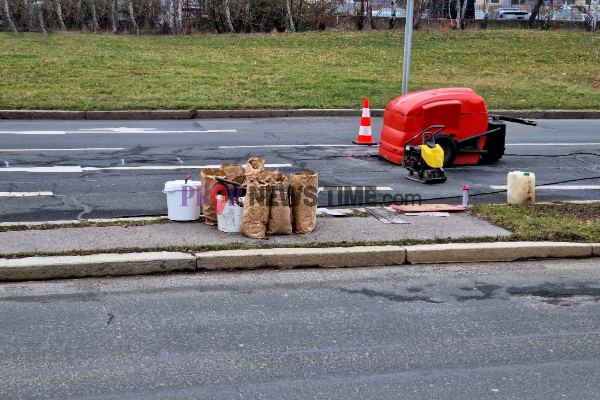
As Mumbai enters the peak monsoon period, the Brihanmumbai Municipal Corporation (BMC) has tightened its road maintenance protocols by directing civic engineers to ensure that potholes are repaired within 24 hours of being reported. The order forms part of the civic body's broader strategy to minimise monsoon-related disruptions and improve commuter safety across the city.
The directive requires engineers and ward-level officials to maintain constant vigilance and respond swiftly to complaints received through citizen grievance channels and field inspections. Civic authorities have stressed that delays in carrying out repairs could compromise road safety and lead to traffic congestion, especially during heavy rainfall.
Senior officials have also instructed road departments to proactively monitor stretches that are susceptible to damage due to waterlogging and heavy vehicular movement. Emergency repair teams have been asked to remain prepared with necessary materials and equipment so that restoration work can begin immediately after complaints are registered.
The move comes amid concerns over the recurring emergence of potholes during the monsoon, which has long been a major civic challenge for Mumbai. Persistent rainfall weakens road surfaces, while the city's high traffic density accelerates wear and tear. Potholes often result in accidents, vehicle damage and severe traffic bottlenecks, leading to widespread complaints from residents every year.
Apart from addressing complaints quickly, the BMC is focusing on preventive measures to reduce the formation of potholes. Officials have been asked to inspect vulnerable stretches regularly and undertake patchwork before damage worsens. Coordination between ward offices, road departments and contractors is expected to play a crucial role in ensuring timely intervention.
The civic body has also emphasised accountability, with senior engineers expected to monitor repair works and ensure compliance with the 24-hour timeline. Authorities are likely to keep a close watch on the performance of contractors responsible for road maintenance and may take action in cases of repeated failures.
Mumbai's road infrastructure faces one of its toughest tests during the monsoon, when intense showers expose weaknesses in road surfaces and drainage systems. By imposing a strict turnaround time for repairs, the BMC hopes to improve road conditions and reduce inconvenience for commuters navigating the city during the rainy season.
While residents have welcomed the emphasis on quicker action, the effectiveness of the initiative will ultimately depend on how consistently the 24-hour mandate is implemented on the ground. With heavy rains expected over the coming weeks, Mumbai's pothole response system is set to face an immediate test.
Advertisement













 Facebook
 Whatsapp
