Advertisement






What really powers the cloud? Behind every Google search, A...
A lot of what defines a home isn’t visible at handover. I...
Private equity has played a significant role in shaping Indi...
Luxury real estate is one of the most talked-about segments ...
Airports play a much bigger role than just enabling travel -...
Indonesia's sovereign wealth fund Danantara has started construction of its first waste-to-energy plant in Bali, marking a key step in its clean energy and waste management plans. The facility will process 1,500 metric tons of waste every day and is expected to attract an investment of around IDR 3 trillion (USD 166.62 million). The project is scheduled to begin operations in the first half of 2028 and forms part of Danantara's broader plan to develop similar facilities in 33 cities across Indonesia to address growing waste management challenges.
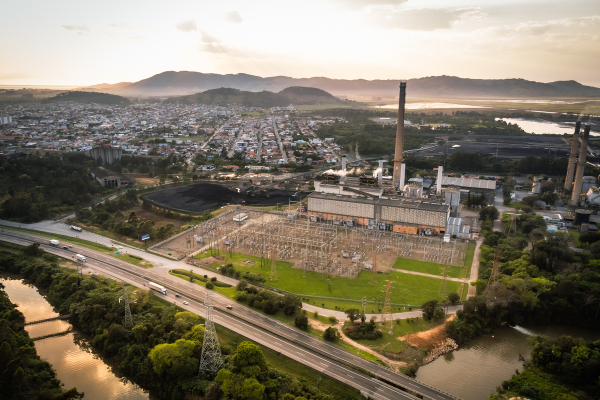
Indonesia's sovereign wealth fund Danantara has started construction of its first waste-to-energy plant on the resort island of Bali, marking the fund's entry into large-scale waste management and renewable energy infrastructure.
The project will have the capacity to process 1,500 metric tons of waste every day and is expected to involve an investment of around IDR 3 trillion, equivalent to approximately USD 166.62 million. The waste-to-energy facility is scheduled to begin commercial operations in the first half of 2028.
Danantara stated that the project has been developed to help address Bali's growing waste management challenges while supporting cleaner energy generation. The fund also indicated that waste-to-energy facilities are among the priority projects in its current investment pipeline.
Launched in February last year, Danantara was established to manage and invest state assets across strategic sectors, with infrastructure and energy among its key focus areas. The waste-to-energy initiative aligns with Indonesia's broader efforts to improve waste disposal systems, reduce landfill dependence and expand renewable energy capacity.
The sovereign wealth fund had earlier outlined plans to develop similar waste-to-energy projects in 33 cities across Indonesia as part of a nationwide strategy to strengthen urban waste management infrastructure and promote sustainable energy solutions.
Source Reuters
Advertisement













 Facebook
 Whatsapp
