Advertisement






What really powers the cloud? Behind every Google search, A...
A lot of what defines a home isn’t visible at handover. I...
Private equity has played a significant role in shaping Indi...
Luxury real estate is one of the most talked-about segments ...
Airports play a much bigger role than just enabling travel -...
SpiceJet has reduced its scheduled flights by 44% compared with April as fleet shortages and operational challenges continue to affect its network. The airline has temporarily suspended services on several routes after its operational fleet fell sharply following the return of wet-leased aircraft. While the carrier plans to induct additional aircraft in the coming months, the reduced schedule reflects ongoing efforts to align operations with available capacity and improve service reliability.
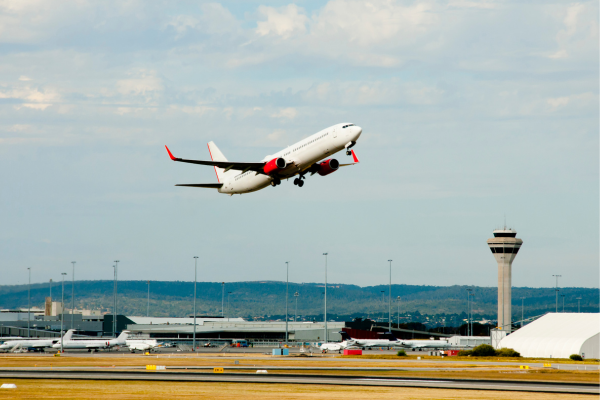
SpiceJet has significantly reduced its flight operations, cutting its July schedule by 44% compared with April as the airline continues to grapple with fleet shortages and operational constraints. According to aviation analytics firm Cirium, the carrier has scheduled 2,326 flights this month against 4,156 flights operated in April, reflecting a substantial scaling back of its domestic network.
The reduction follows a decline in the airline's operational fleet after several wet-leased aircraft were returned to lessors. Industry estimates indicate that SpiceJet's active fleet has reduced to around 12–13 aircraft available for regular operations, considerably below the level seen a few months ago. The smaller fleet has compelled the airline to rationalise services and temporarily suspend flights on several routes, including Chennai, Guwahati and Varanasi, as it aligns schedules with available aircraft.
The constrained fleet has also affected operational performance. Aviation analysts noted that the airline's published schedule was initially designed for a larger number of aircraft, contributing to delays across parts of its network. SpiceJet, however, has maintained that the suspension of selected routes is temporary. The airline stated that services to Chennai are expected to resume later this year as additional aircraft join its fleet under its recovery and expansion plan.
The latest schedule reduction comes amid broader financial and operational pressures confronting the airline. In recent months, SpiceJet has faced rising aviation turbine fuel costs, restricted international airspace due to geopolitical developments, and continuing funding constraints. The carrier has also been seeking a government-backed emergency loan to stabilise operations, while delayed salary payments to some pilots have highlighted the financial challenges facing the airline.
Despite the current capacity reduction, SpiceJet has begun taking steps to rebuild its fleet. Earlier this month, the airline announced plans to induct three Airbus A320 aircraft on damp lease and reactivate a Boeing 737 MAX aircraft. The additional aircraft are expected to enhance operational flexibility and support both domestic and international services during the peak travel season.
The airline has indicated that its immediate priority is to improve operational stability while gradually restoring network capacity. Industry observers said aligning flight schedules with the available fleet could help improve punctuality and reduce operational disruptions until more aircraft are inducted into service. As India's aviation market continues to expand, SpiceJet's recovery strategy will depend on strengthening its fleet, improving financial stability and restoring passenger confidence through more reliable operations.
Advertisement













 Facebook
 Whatsapp
