Advertisement






The Gulf conflict has disrupted global supply chains, pushed...
REITs have changed the way commercial real estate is owned a...

What does it take to preserve a real estate legacy while bui...
What really powers the cloud? Behind every Google search, A...
A lot of what defines a home isn’t visible at handover. I...
Indian Railways has sanctioned an INR 274 crore project to modernise signalling infrastructure across 20 locations in the Malda Division of Eastern Railway. The project will replace ageing relay-based interlocking systems with advanced Electronic Interlocking technology at 18 stations and two Intermediate Block Signalling locations. The upgrade is expected to improve safety, operational reliability, punctuality and maintenance efficiency on one of Eastern Railway's busiest corridors. The initiative also prepares the network for future technologies, including Kavach and other advanced signalling systems.
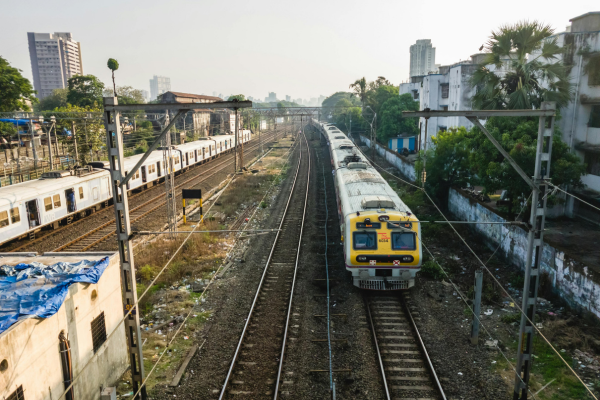
As rail traffic continues to grow across India's high-density corridors, Indian Railways is accelerating investments in technology-driven infrastructure upgrades to improve operational safety and efficiency. In line with this strategy, the Ministry of Railways has approved a comprehensive signalling modernisation project for the Malda Division of Eastern Railway. The initiative focuses on replacing legacy signalling systems with advanced Electronic Interlocking technology, enabling more reliable train operations while strengthening the division's readiness for future digital railway technologies.
Indian Railways has approved an INR 274 crore project to replace conventional relay-based signalling systems with Electronic Interlocking (EI) technology at 20 locations across the Malda Division of Eastern Railway. The sanctioned works cover 18 railway stations and two Intermediate Block Signalling (IBS) locations situated along High Utilisation Network (HUN) routes, which handle significant passenger and freight traffic.
The project is aimed at modernising signalling infrastructure by replacing ageing Panel Interlocking (PI) and Route Relay Interlocking (RRI) systems with digitally controlled Electronic Interlocking technology. The upgraded system is expected to deliver higher operational reliability, improved maintainability and greater efficiency while creating a stronger technological foundation for increasing rail traffic across one of Eastern Railway's busiest operational corridors.
Electronic Interlocking is a fail-safe signalling technology that automates route setting and train movement control while reducing the likelihood of equipment failures and manual operational errors. By enabling faster fault detection and restoration, the new system is expected to minimise service disruptions, improve operational flexibility and support better punctuality across the division.
The modernisation programme is also expected to strengthen train safety by improving signalling reliability and supporting smoother train movements on high-density routes. As traffic demand continues to rise, the upgraded infrastructure will help improve network capacity while reducing operational bottlenecks that often affect heavily utilised sections.
Beyond immediate operational improvements, the signalling upgrade is designed to prepare the Malda Division for the integration of next-generation railway technologies. The Electronic Interlocking system will provide compatibility with future safety and automation initiatives, including the indigenous Kavach train protection system and other advanced signalling solutions planned across the Indian Railways network.
The approval forms part of Indian Railways' broader nationwide programme to modernise signalling infrastructure through advanced digital technologies. By replacing legacy systems with more intelligent and resilient solutions, the ministry aims to deliver safer, smarter and more efficient railway operations while supporting long-term growth in passenger and freight movement.
Source PIB
Advertisement













 Facebook
 Whatsapp
