Advertisement






What really powers the cloud? Behind every Google search, A...
A lot of what defines a home isn’t visible at handover. I...
Private equity has played a significant role in shaping Indi...
Luxury real estate is one of the most talked-about segments ...
Airports play a much bigger role than just enabling travel -...
• The Municipal Corporation of Delhi (MCD) has completed a pre-monsoon survey of nearly 28 lakh buildings, identifying only 19 structures as dangerous and requiring urgent attention before the rainy season.
• The identified buildings have been spread across different city zones, with civic authorities issuing notices and initiating measures to prevent potential accidents during heavy rainfall.
• The survey has, however, drawn criticism from opposition leaders and residents, who questioned whether several unsafe buildings may have been overlooked despite repeated complaints.
• The MCD has maintained that inspections were carried out across its jurisdiction and stated that further action, including demolition or evacuation where necessary, will be taken in accordance with safety assessments.
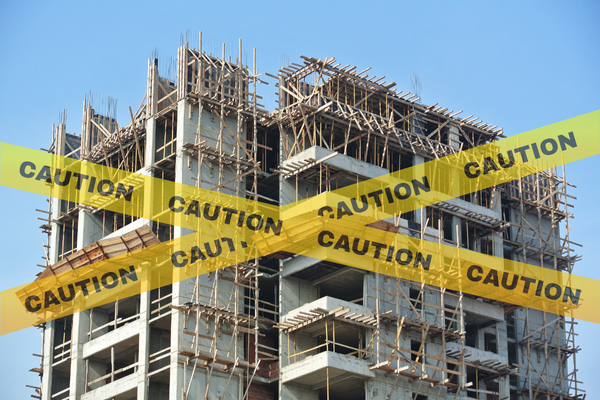
The Municipal Corporation of Delhi (MCD) has identified only 19 buildings as dangerous after carrying out a pre-monsoon survey covering nearly 28 lakh buildings across the capital. The annual exercise was undertaken ahead of the monsoon season to assess structurally unsafe buildings and minimise the risk of building collapses during periods of heavy rainfall.
According to civic officials, the survey was conducted across all MCD zones to identify buildings that could pose a threat to public safety. Following the inspections, notices have been issued to owners or occupants of the identified structures, and the civic body has initiated further action in accordance with established safety procedures.
The MCD has stated that the identified buildings will either undergo repairs, be vacated or demolished, depending on their structural condition and technical assessments. The objective is to prevent accidents during the monsoon, when prolonged rainfall often weakens ageing structures and increases the likelihood of collapses.
The survey forms part of the corporation's annual monsoon preparedness programme, which also includes desilting drains, repairing roads, pruning vulnerable trees and inspecting public infrastructure. Building safety assessments are considered an important component of these preventive measures, particularly in older parts of the city where ageing structures remain a concern.
However, the findings have sparked debate, with opposition leaders questioning whether the survey accurately reflects the condition of buildings across Delhi. Critics have argued that the identification of only 19 dangerous structures appears inconsistent with complaints received from several neighbourhoods regarding deteriorating buildings and poor maintenance.
Some resident groups have also expressed concerns that structurally weak buildings may not have been adequately assessed, particularly in densely populated localities with older residential and commercial properties. They have urged the civic body to undertake more detailed inspections and ensure timely action wherever risks are identified.
The MCD has defended the survey process, stating that inspections were carried out systematically across its jurisdiction and that additional inspections can be undertaken wherever fresh complaints or structural concerns emerge. Officials have also appealed to property owners to cooperate with safety notices and carry out necessary repairs to reduce risks during the rainy season.
Building collapses during the monsoon have historically resulted in casualties and property damage in parts of Delhi, making preventive inspections a key aspect of disaster preparedness. Authorities are expected to continue monitoring vulnerable structures throughout the monsoon and take prompt action wherever public safety is at risk.
Advertisement













 Facebook
 Whatsapp
