Advertisement






What really powers the cloud? Behind every Google search, A...
A lot of what defines a home isn’t visible at handover. I...
Private equity has played a significant role in shaping Indi...
Luxury real estate is one of the most talked-about segments ...
Airports play a much bigger role than just enabling travel -...
• Mobile connectivity has begun rolling out on Mumbai Metro Line 3’s underground Aqua Line after months of delays caused by disputes over telecom infrastructure deployment.
• Airtel and Vodafone Idea have started activating services across sections of the 33.5-km corridor linking Aarey JVLR and Acharya Atre Chowk, Worli.
• The rollout follows agreements with MMRCL to install network infrastructure within stations and tunnels.
• Coverage will be expanded in phases, improving connectivity for commuters travelling on the underground route.
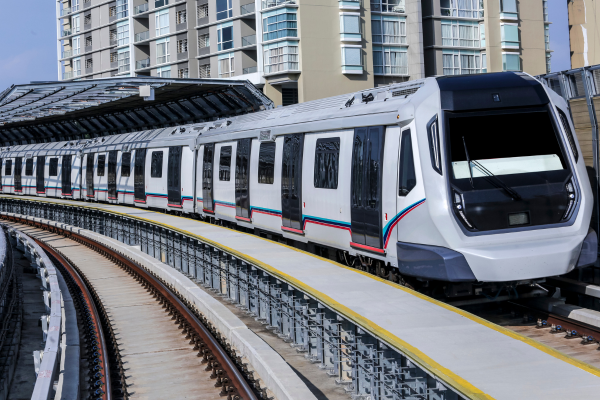
Mobile network services have started becoming operational along Mumbai Metro Line 3's underground Aqua Line after months of delays arising from a dispute between telecom operators and the Mumbai Metro Rail Corporation Ltd (MMRCL) over infrastructure deployment within the corridor.
The rollout began in the past week across sections of the 33.5-km metro line connecting Aarey JVLR and Acharya Atre Chowk, Worli. Telecom operators Airtel and Vodafone Idea have commenced phased activation of their services, marking the first significant expansion of mobile connectivity within Mumbai's underground metro network.
Mumbai Metro Line 3 is the city's first fully underground metro corridor and forms a major component of the region's public transport infrastructure. The project has been designed to improve east-west connectivity and reduce travel time between residential, commercial and business districts across the city.
The absence of mobile connectivity had emerged as a recurring concern among commuters following the commencement of operations on completed sections of the corridor. Passengers frequently reported difficulties in accessing mobile data services, making phone calls and using digital applications while travelling through underground stations and tunnels.
According to reports, the issue stemmed from disagreements between MMRCL and telecom operators regarding the deployment and operation of telecommunications infrastructure within the metro system. The discussions centred on the terms under which operators would install and maintain equipment required to provide uninterrupted cellular coverage throughout the underground network.
Following negotiations, telecom providers were permitted to install the necessary infrastructure across stations and tunnel sections. The activation process has now begun in phases, with coverage expected to increase as additional equipment becomes operational across the corridor.
The development is particularly significant because underground metro systems generally require dedicated telecommunications infrastructure to ensure continuous connectivity. Unlike above-ground rail corridors, underground tunnels block conventional cellular signals, necessitating specialised systems to transmit network coverage throughout the route.
Transport infrastructure experts have increasingly emphasised the importance of uninterrupted mobile connectivity in modern transit systems, particularly as commuters rely on digital ticketing platforms, navigation applications, online payments and communication services during daily travel.
The Aqua Line is expected to serve a substantial commuter base once all phases become operational. As passenger volumes increase, reliable telecommunications services are likely to become an essential component of the overall commuter experience.
Authorities indicated that network deployment will continue across remaining sections of the corridor. Mobile coverage is expected to expand progressively as operators complete infrastructure installation and testing across stations and tunnel stretches, providing broader connectivity throughout Mumbai Metro Line 3.
Advertisement













 Facebook
 Whatsapp
