Advertisement






The Gulf conflict has disrupted global supply chains, pushed...
REITs have changed the way commercial real estate is owned a...

What does it take to preserve a real estate legacy while bui...
What really powers the cloud? Behind every Google search, A...
A lot of what defines a home isn’t visible at handover. I...
Tata Power EV Charging Solutions Ltd (TPEVCSL) has signed a memorandum of understanding (MoU) with Varanasi Smart City Ltd (VSCL) to strengthen electric vehicle (EV) charging infrastructure across Varanasi. The partnership will identify and deploy charging stations at strategic locations, including public parking areas, transit hubs, municipal assets, commercial centres and tourist destinations. The initiative supports the city's sustainable mobility goals while aligning with the Smart Cities Mission and Uttar Pradesh's push towards cleaner transportation.
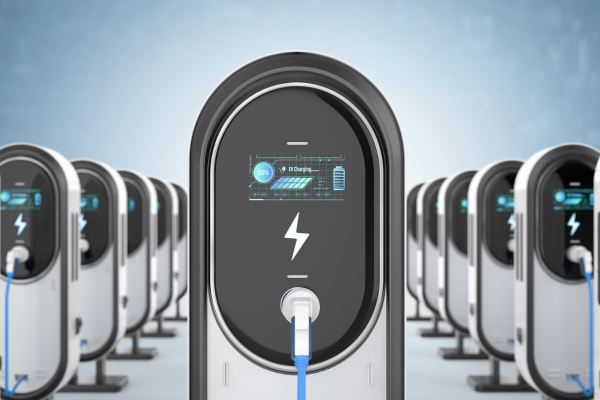
Tata Power EV Charging Solutions Ltd (TPEVCSL), a subsidiary of Tata Power Renewable Energy Ltd, has entered into a memorandum of understanding with Varanasi Smart City Ltd (VSCL) to accelerate the development of electric vehicle charging infrastructure across the city. The agreement aims to strengthen the supporting ecosystem for EV adoption by expanding access to charging facilities at key urban locations.
Under the partnership, TPEVCSL and VSCL will jointly identify suitable sites for installing EV charging stations across Varanasi. The proposed locations include public parking areas, transit hubs, municipal properties, commercial centres and major tourist destinations, with the objective of creating a convenient and accessible charging network for EV users.
The companies stated that the charging infrastructure will be designed to expand in line with the city's evolving mobility requirements. By focusing on high-footfall and transit-oriented locations, the initiative seeks to improve charging accessibility and encourage greater adoption of electric vehicles among residents and visitors.
The MoU was signed in the presence of Municipal Commissioner and Chief Executive Officer of VSCL Himanshu Nagpal during activities associated with World Environment Day. Officials indicated that the collaboration reflects a shared commitment to promoting sustainable urban mobility and reducing dependence on conventional fuel-based transportation.
The initiative aligns with the objectives of the Government of India's Smart Cities Mission, which emphasises the development of modern, technology-enabled and environmentally sustainable urban infrastructure. It also supports the Uttar Pradesh government's efforts to promote green mobility and expand the state's EV ecosystem through improved charging availability.
As electric vehicle adoption increases across India, the availability of reliable charging infrastructure has become a key requirement for wider market penetration. Public charging stations located near transport nodes, commercial districts and tourism hubs are expected to reduce range anxiety and improve the practicality of EV ownership.
For Varanasi, which attracts millions of domestic and international visitors annually while experiencing rapid urban development, the expansion of EV charging infrastructure is expected to complement broader smart city initiatives focused on sustainable transport and improved civic infrastructure. The network is intended to be scalable, allowing future additions as demand for electric mobility grows.
The partnership reflects the increasing collaboration between urban local bodies and private sector energy companies to build the infrastructure required for India's transition towards cleaner mobility. By combining municipal planning with specialised charging solutions, the project aims to create a more comprehensive EV ecosystem that supports both environmental objectives and the city's long-term transportation needs.
Source - Tata Power
Advertisement













 Facebook
 Whatsapp
