Advertisement






The Gulf conflict has disrupted global supply chains, pushed...
REITs have changed the way commercial real estate is owned a...

What does it take to preserve a real estate legacy while bui...
What really powers the cloud? Behind every Google search, A...
A lot of what defines a home isn’t visible at handover. I...
The Patna Metro project has achieved its seventh tunnel breakthrough on the Blue Line after a Tunnel Boring Machine (TBM) completed excavation between Moin-ul-Haq Stadium and Rajendra Nagar Metro stations. The milestone marks continued progress on the underground section of the corridor and is expected to accelerate construction activities. Officials said the breakthrough strengthens momentum for the project's timely execution, with tunnelling work playing a crucial role in expanding metro connectivity across Bihar's capital.
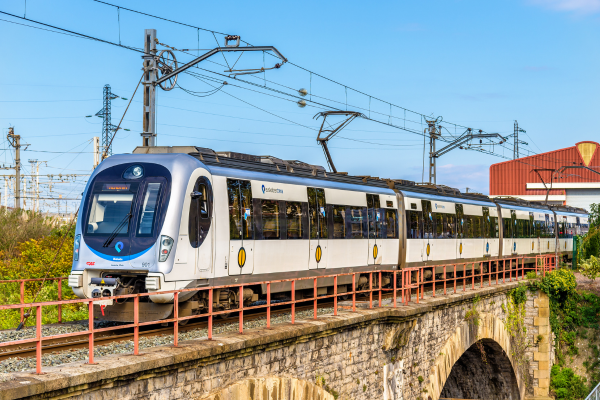
The Patna Metro project has reached another construction milestone with the successful completion of its seventh tunnel breakthrough on the Blue Line, marking further progress in the development of the city's underground metro network. The breakthrough was achieved after Tunnel Boring Machine (TBM)-04 completed excavation between the Moin-ul-Haq Stadium Metro Station and Rajendra Nagar Metro Station.
The latest achievement forms part of the ongoing construction of Line 2, also known as the Blue Line, which connects Patna Junction with the Patliputra Bus Terminal (New ISBT). The corridor comprises both underground and elevated sections and is one of the two metro lines being developed under the Patna Metro project.
According to project authorities, the successful tunnel breakthrough reflects steady progress in underground civil works and demonstrates the effectiveness of tunnelling operations being carried out in densely populated urban areas. The completion of this section is expected to facilitate subsequent activities such as track laying, station construction and systems installation.
The tunnel connecting Moin-ul-Haq Stadium and Rajendra Nagar is a key component of the underground stretch of the Blue Line. Construction in this section requires specialised engineering techniques because of the city's built-up environment and the need to minimise disruption to existing infrastructure and traffic.
Officials overseeing the project have directed that remaining construction activities continue according to the planned schedule, with emphasis on maintaining construction quality and meeting timelines. The seventh breakthrough is viewed as another indicator of the project's advancing execution after a series of successful tunnelling operations across the corridor.
The Blue Line will eventually span approximately 14.5 kilometres and include 12 stations, combining underground and elevated alignments. It is designed to connect major transport hubs, including Patna Junction railway station and the Patliputra Inter-State Bus Terminal, while also providing interchange facilities with the Red Line at designated stations.
The Patna Metro project is intended to improve urban mobility by offering an alternative to road-based transport, reducing travel time and easing congestion in the rapidly expanding city. As underground tunnelling progresses, attention will shift towards completing station infrastructure, railway systems and operational testing required for future sections of the corridor.
The latest breakthrough adds to a series of engineering milestones achieved during the construction of the metro network and reinforces the pace of work on one of Bihar's largest urban infrastructure projects.
Advertisement













 Facebook
 Whatsapp
