Advertisement






What really powers the cloud? Behind every Google search, A...
A lot of what defines a home isn’t visible at handover. I...
Private equity has played a significant role in shaping Indi...
Luxury real estate is one of the most talked-about segments ...
Airports play a much bigger role than just enabling travel -...
• India’s commercial real estate sector is increasingly moving towards employee-centric office ecosystems that prioritise wellness, collaboration and workplace experience.
• Developers are integrating cafés, landscaped open areas, wellness zones, community spaces and advanced air quality systems into office projects.
• Corporates are seeking workplaces that support employee retention, productivity and flexible work patterns in the post-pandemic environment.
• Indoor environmental quality, sustainability infrastructure and smart building technologies are emerging as major differentiators in premium office developments.
• Industry stakeholders believe workplace experience and wellness-led design are becoming key drivers of leasing demand and long-term asset value.
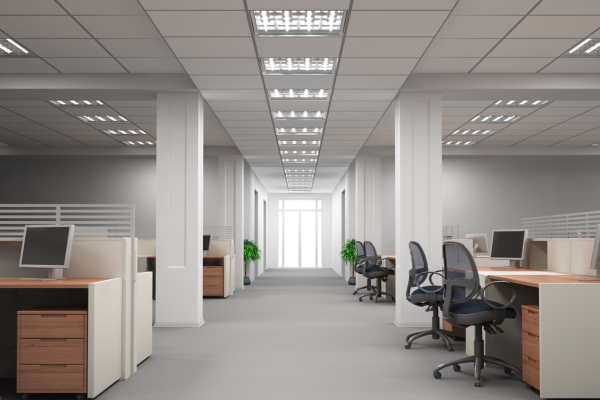
India’s commercial real estate sector is witnessing a gradual shift from conventional office infrastructure towards integrated workplace ecosystems designed around employee well-being, productivity and community engagement. Developers and occupiers are increasingly focusing on experience-led office environments that combine business infrastructure with wellness amenities, collaborative spaces and hospitality-inspired features. Advertisement






The transition reflects changing workplace expectations following the pandemic, with companies placing greater emphasis on employee comfort, flexibility and workplace engagement as part of broader talent retention and organisational strategies. As a result, office developments are increasingly incorporating landscaped open spaces, cafés, wellness lounges, breakout areas and technology-enabled amenities that extend beyond traditional workspace planning.
Industry participants note that modern workplaces are evolving into environments designed to support both professional and social interaction. Developers are integrating open-air interaction zones, community-centric infrastructure and recreational facilities to encourage collaboration and improve overall employee experience within office campuses.
A growing focus on indoor environmental quality has also emerged as a defining feature in premium commercial developments. Developers are investing in advanced ventilation systems, biophilic design elements, AI-enabled environmental infrastructure and enhanced air filtration technologies aimed at improving occupant wellness and cognitive performance.
Shilpin Tater of Superb Realty stated that the definition of a successful office space has evolved considerably in recent years, with corporates increasingly prioritising employee experience, wellness and productivity alongside conventional commercial considerations. He noted that natural lighting, landscaped open spaces, wellness zones and collaborative areas are becoming integral components of modern office developments. Tater added that indoor air quality is now emerging as a measurable determinant of occupier well-being and asset value. He said the company had partnered with Praan to integrate AI-powered autonomous air infrastructure at its commercial project Superb Altura and across more than one million square feet of developments.
Developers and consultants believe workplaces are increasingly functioning as extensions of lifestyle-oriented environments where convenience, flexibility and community interaction play a central role in design planning. The commercial office segment is therefore witnessing greater incorporation of hospitality-inspired experiences and wellness-focused infrastructure.
Shraddha Kedia Agarwal of Transcon Developers stated that employees today expect office spaces to offer comfort, connectivity and a stronger sense of belonging. She said this shift is driving the transformation of office projects into integrated ecosystems combining business infrastructure with lifestyle-oriented amenities. Referring to the company’s commercial project Ramdev Plaza, Agarwal noted that developments are increasingly being planned with recreational zones, open interaction areas, seamless accessibility and wellness-oriented design features to improve occupier experience.
Market observers also point to increasing adoption of sustainable construction practices and smart infrastructure systems across commercial developments. Developers are integrating energy-efficient technologies, green spaces, smart building management systems and advanced environmental monitoring solutions to improve operational efficiency while supporting healthier work environments.
Rohan Shukla of DGS Group stated that the modern workforce increasingly expects offices to function as holistic ecosystems rather than standalone workspaces. He observed that better air quality, access to greenery, collaborative infrastructure and community-oriented amenities are becoming essential components of commercial real estate developments. According to Shukla, developers that successfully create experience-driven office environments are likely to witness stronger occupier demand over the long term.
As companies continue to redefine workplace strategies in the post-pandemic environment, industry stakeholders believe experience-led office ecosystems will play a growing role in shaping leasing trends and commercial real estate development across India. Wellness infrastructure, employee experience and community-focused planning are increasingly being viewed as critical factors influencing tenant preferences, workplace productivity and long-term commercial asset positioning.
Advertisement













 Facebook
 Whatsapp
