Advertisement






What really powers the cloud? Behind every Google search, A...
A lot of what defines a home isn’t visible at handover. I...
Private equity has played a significant role in shaping Indi...
Luxury real estate is one of the most talked-about segments ...
Airports play a much bigger role than just enabling travel -...
The Madurai Metro, a transformative project for Tamil Nadu's ancient city, aims to modernize urban transit and reduce traffic congestion. Spanning 31 km with 27 stations from Thirumangalam to Othakadai, the metro will feature elevated and underground sections serving key commercial, residential, and transit hubs. Estimated at INR 11,368 crore, it will be funded through state, central, and international sources. Expected to begin construction by late 2024 and operational by 2027, the project promises eco-friendly, efficient travel. With modern amenities and a focus on sustainability, the Madurai Metro will enhance connectivity, boost economic growth, and improve quality of life for residents.
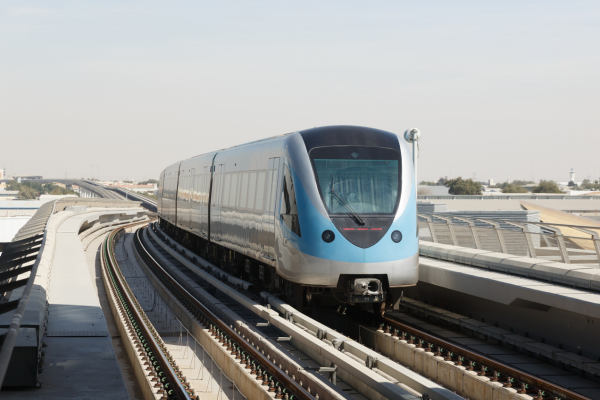
The Madurai Metro is a much-anticipated rapid transit project designed to modernise urban transportation in Madurai, one of Tamil Nadu's oldest and most culturally significant cities. As Madurai's population grows and urbanization accelerates, the need for a reliable, efficient, and eco-friendly public transport system has become increasingly critical. The Madurai Metro project aims to address these challenges by providing a state-of-the-art transit solution that will enhance connectivity, reduce traffic congestion, and improve the quality of life for the city's residents. Advertisement






The idea of a metro system for Madurai was first introduced in 2012 under the leadership of then-Chief Minister J. Jayalalithaa, who proposed monorail projects for Tier-II cities like Madurai, Coimbatore, and Tiruchirappalli. However, due to feasibility concerns and high costs, the monorail proposal was later revised to a metro rail project. The plan gained momentum when the Tamil Nadu government, led by Chief Minister M.K. Stalin, officially announced metro rail projects for Madurai and Coimbatore in 2021. This decision marked a significant step towards solving the city's traffic woes and promoting sustainable urban development.
In November 2022, Balaji Railroad Systems (BARSYL) prepared a Detailed Feasibility Report (DFR) for the project, which recommended a 31-kilometre transit line connecting Thirumangalam in the southwest to Othakadai in the northeast. Following this, in March 2023, Aarvee Associates was appointed to develop the Detailed Project Report (DPR), which was completed by July 2023. The DPR outlined the specifics of Phase 1, which covers approximately 31 kilometres with 27 stations. The alignment includes 26 kilometres of elevated tracks and 5 kilometres of underground tracks, strategically designed to navigate through Madurai's dense urban landscape while serving key commercial, residential, and transit hubs.
The estimated cost for Phase 1 of the Madurai Metro is around INR 11,368 crore. This significant investment is to be financed through a combination of state and central government allocations, as well as potential loans from international financial institutions such as the Asian Infrastructure Investment Bank (AIIB). The funding underscores the importance of the project in addressing Madurai's traffic congestion and promoting economic growth. The metro will serve as a catalyst for development, boosting real estate values, attracting investments, and creating job opportunities during both the construction and operational phases.
The proposed route for the metro's first phase will traverse through some of Madurai's most vital locations. It will connect Thirumangalam, a major residential area, to Othakadai, providing stops at key transit points such as the Madurai Railway Junction, Periyar Bus Stand, and Anna Bus Stand. The route also includes densely populated areas such as Goripalayam, Simakkal, and Teppakulam, ensuring that the metro is accessible to a large portion of the city's population. This strategic alignment is expected to significantly reduce travel time and improve daily commutes for thousands of residents.
The Madurai Metro project represents more than just a transportation solution; it is a symbol of the city's aspirations for modernization and sustainable development. The introduction of a metro system is expected to reduce the dependency on private vehicles, thereby alleviating traffic congestion and decreasing pollution levels. Electric-powered metro trains will offer an eco-friendly alternative to petrol and diesel vehicles, contributing to a cleaner and greener urban environment. The project will also incorporate modern amenities such as air-conditioned coaches, CCTV surveillance, and smart ticketing systems to ensure passenger safety and convenience.
Despite the project's immense potential, several challenges need to be addressed. Securing timely funding, completing construction without delays, and ensuring minimal disruption to the city's daily life are critical factors for the metro's success. Additionally, integrating the metro with existing public transport options, such as buses and auto-rickshaws, will be essential for achieving seamless last-mile connectivity. Effective urban planning and coordination with various stakeholders will be key to overcoming these challenges and ensuring the project's smooth execution.
As of now, the construction of the Madurai Metro is expected to begun by the end of 2024, with an anticipated completion date set for December 2027. Once operational, the metro is poised to transform the city's transportation landscape, offering a reliable, fast, and affordable mode of travel. This transformation will not only improve the quality of life for Madurai's residents but also position the city as a model for sustainable urban transit in India.
In conclusion, the Madurai Metro is a visionary project that reflects the city's commitment to modern infrastructure and sustainable development. By addressing traffic congestion, promoting eco-friendly transit, and enhancing connectivity, the metro will play a crucial role in shaping the future of Madurai. As the city continues to grow, the metro system promises to be a lifeline for its residents, bridging the gap between tradition and modernity while paving the way for a more connected and sustainable future.
Advertisement













 Facebook
 Whatsapp
