Advertisement






The Gulf conflict has disrupted global supply chains, pushed...
REITs have changed the way commercial real estate is owned a...

What does it take to preserve a real estate legacy while bui...
What really powers the cloud? Behind every Google search, A...
A lot of what defines a home isn’t visible at handover. I...
As artificial intelligence, social media algorithms and digital platforms increasingly shape public discourse, distinguishing truth from persuasion has become more difficult than ever. This opinion piece examines how confirmation bias, targeted content and declining trust in institutions are influencing the way people consume information. While technology itself is not inherently harmful, the essay argues that human values, critical thinking and responsible journalism remain essential in navigating an era of competing narratives. It concludes that discernment is a continuous practice, beginning with the willingness to question, reflect and seek a broader understanding of the truth.
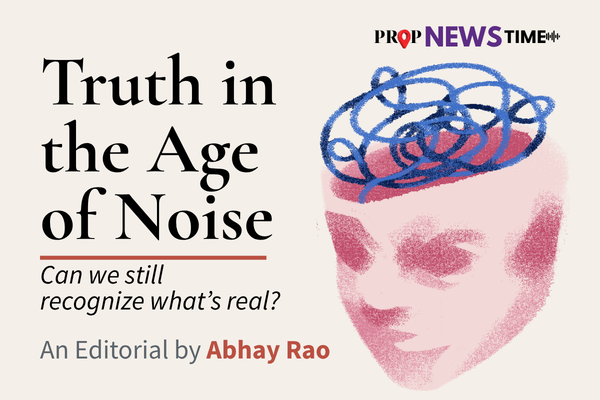
As a society, we have come remarkably far. We have birthed artificial intelligence, yet found no end to war. We have made connectivity and the sharing of information easier than ever before, while simultaneously discovering new ways to manipulate opinion through social media feeds. We have accepted so many competing "truths" that facts themselves often feel like just another opinion.
So, in an age where politics, persuasion and targeted marketing have leapt from newspapers to our smartphones; where society, friends and even families seem more divided than ever; where simple truths are buried beneath increasingly complex lies—how does one discern what is real?
When every voice appears to have a motive, and a truly free press feels more like an ideal than a reality, when every feed is carefully designed to reinforce what you already believe, can truth still have its day? Or are we witnessing the beginning of a self-sustaining rabbit hole?
Ironically, algorithms are not evil by design. It is tempting to paint big technology companies as the obvious villains, but the reality is far more complicated. Perhaps confirmation bias will become the defining pandemic of the modern era, and honest journalism its first casualty.
Integrity and love are qualities so deeply woven into human nature that they have repeatedly stemmed the tide of darkness throughout history. But can such values ever be taught to, or programmed into, algorithms and artificial intelligence?
Gunpowder was discovered while searching for the elixir of life. That accidental discovery altered the course of human history for centuries. Perhaps we stand at a similar crossroads today. Whether society can rediscover the common threads that bind us and rise above the rhetoric we are constantly fed remains to be seen.
Like most psychological challenges, however, recognising the pattern is the first step. Awareness creates space for curiosity, and curiosity often leads us closer to the complete picture—and, hopefully, closer to the truth.
Discernment is not an event; it is a practice. And like every worthwhile journey, beginning is always the hardest step.
So here's to beginning. This is mine.
Advertisement













 Facebook
 Whatsapp
