Advertisement






The Gulf conflict has disrupted global supply chains, pushed...
REITs have changed the way commercial real estate is owned a...

What does it take to preserve a real estate legacy while bui...
What really powers the cloud? Behind every Google search, A...
A lot of what defines a home isn’t visible at handover. I...
The Pune Cantonment Board is seeking approval to commercially utilise a 5.43-acre defence land parcel in Koregaon Park to strengthen its finances. The land, classified as ‘C’ land and managed by the board, has remained unused for decades. The board has approached the Principal Directorate of Defence Estates, Southern Command, for statutory sanction to explore commercial use. The proposal comes as the board faces a monthly funding gap, with expenses of at least INR 12 crore against revenue of about INR 2 crore, increasing its dependence on central government aid.
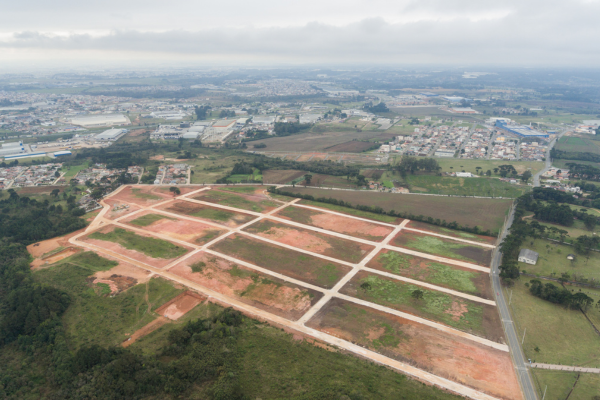
The Pune Cantonment Board (PCB) is looking to unlock the commercial potential of a 5.43-acre land parcel in Koregaon Park as it seeks to generate a more sustainable source of revenue. The prime property, classified as ‘C’ land and managed by the cantonment board, has remained unused for decades, according to a report by The Times of India.
The board has submitted a proposal to the Principal Directorate of Defence Estates (PDDE), Southern Command, seeking statutory sanction to commercially utilise the property. Since the parcel is already classified as ‘C’ land and is under the board’s management, officials said a change in land purpose would not be required for the proposed utilisation, subject to the necessary approval.
The move comes as the cantonment board faces significant financial pressure. PCB requires at least INR 12 crore every month to meet expenses including salaries, pensions, water and electricity bills. Its current monthly revenue is reportedly no more than INR 2 crore, leaving a substantial gap that has increased its dependence on financial assistance from the Centre.
According to PCB chief executive officer Vidyadhar Pawar, the Koregaon Park property could generate substantial revenue if it is permitted to be used commercially. The board believes the location and prevailing real estate market conditions could allow the land to become a recurring source of income and help improve its financial position.
The board’s financial constraints have become more pronounced since the abolition of Local Body Tax following the implementation of the Goods and Services Tax. Before 2014, the cantonment board generated more than INR 100 crore annually through LBT, providing it with greater financial autonomy. The loss of this revenue stream has affected its ability to fund basic civic services.
Officials said the financial shortfall has affected activities such as road repairs and the maintenance of street lights and gardens. The board received INR 25 crore in aid from the Ministry of Defence two months ago to meet its expenses, highlighting its reliance on central support while it looks for additional revenue-generating avenues.
The Koregaon Park proposal is also part of a wider effort by the PCB to examine the commercial potential of its land assets. The board is awaiting approval to commercially utilise an old court land parcel on MG Road, another commercially prominent location in Pune. Officials have indicated that options could include a commercial complex developed through a public-private partnership or infrastructure developed directly by the board and subsequently leased.
However, the proposed commercial use of the land has raised concerns among real estate experts, activists and residents over how the assets should be monetised. They have called for professional valuation and feasibility studies before the board selects a development model. Some have suggested long-term leasing, rental or revenue-sharing structures that allow the cantonment to retain ownership while generating recurring income.
Experts have also stressed the importance of transparent tendering, independent valuation, competitive bidding and clearly defined lease conditions. The board will need to balance the need for immediate financial support with the long-term value and public ownership of its land assets before proceeding with commercial development.
Advertisement













 Facebook
 Whatsapp
