Advertisement






The Gulf conflict has disrupted global supply chains, pushed...
REITs have changed the way commercial real estate is owned a...

What does it take to preserve a real estate legacy while bui...
What really powers the cloud? Behind every Google search, A...
A lot of what defines a home isn’t visible at handover. I...
A Vande Bharat train has crossed the Chenab Bridge in Reasi district at nearly 100 kmph for the first time, following approval to raise the maximum permissible speed on the Katra-Banihal rail section. The development marks an operational milestone for the Udhampur-Srinagar-Baramulla Rail Link (USBRL), which connects the Kashmir Valley with the wider Indian railway network. The Chenab Bridge, the world’s highest railway bridge, forms a key part of the route. The higher speed is expected to reduce travel time on the Katra-Banihal section and improve the efficiency of train operations across the strategically important corridor.
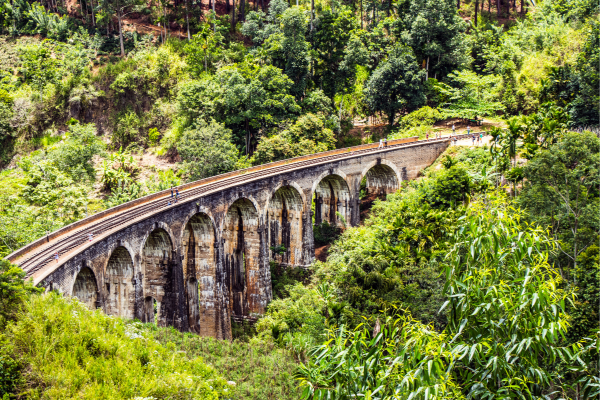
A Vande Bharat train has crossed the Chenab Bridge in Reasi district, Jammu and Kashmir, at nearly 100 kmph for the first time, following approval by the Railway Ministry to increase the maximum permissible speed on the Katra-Banihal section. The development, reported on August 20, represents a change in operating parameters on one of the most challenging sections of the Udhampur-Srinagar-Baramulla Rail Link (USBRL).
The Chenab Bridge is the world’s highest railway bridge and spans the Chenab River in Reasi. It is a key engineering component of the rail link connecting the Kashmir Valley with the national railway network. Regular rail services over the bridge began as part of the broader opening of the Katra-Srinagar rail connection in 2025.
The Railway Ministry’s approval allows trains to operate at up to 100 kmph on the 111-km Katra-Banihal broad-gauge section under the Jammu division of Northern Railway. Before the revision, the permitted speeds were lower on different parts of the route, including 85 kmph between Shri Mata Vaishno Devi Katra and Sangaldan and 75 kmph between Sangaldan and Banihal.
The higher operating speed is expected to improve journey times between Katra and Banihal while allowing more efficient utilisation of the newly developed railway infrastructure. The route is particularly important because it provides an all-weather rail connection through the mountainous terrain of Jammu and Kashmir.
The Chenab Bridge forms part of a wider railway system involving extensive tunnels, bridges and viaducts. The USBRL has been developed through the difficult Himalayan terrain, requiring major engineering works to connect the Jammu region with the Kashmir Valley.
The increase in permissible speed is also expected to strengthen passenger connectivity between different parts of the region. Railway officials have indicated that faster operations could support tourism and trade by improving accessibility to Jammu and Kashmir destinations and reducing travel time for passengers.
The operational milestone comes after extensive testing and safety assessments of the railway infrastructure. The Chenab Bridge itself was subjected to detailed engineering and safety evaluations before being incorporated into regular rail operations.
The bridge is part of a strategically important railway corridor that provides an alternative to road-based travel between the Jammu region and the Kashmir Valley. Its integration into regular train operations has also expanded rail access to destinations that previously depended heavily on road connectivity.
The Vande Bharat service operating through the corridor provides a faster passenger rail option and links important locations along the route. With the revised speed limit, trains can now make greater use of the design and operating capabilities of the newly completed railway infrastructure.
The first near-100-kmph crossing of the Chenab Bridge therefore represents an operational advancement for the USBRL, with the higher permissible speed expected to improve the efficiency of passenger services while strengthening rail connectivity across Jammu and Kashmir.
Advertisement













 Facebook
 Whatsapp
