Advertisement






The Gulf conflict has disrupted global supply chains, pushed...
REITs have changed the way commercial real estate is owned a...

What does it take to preserve a real estate legacy while bui...
What really powers the cloud? Behind every Google search, A...
A lot of what defines a home isn’t visible at handover. I...
Mumbai’s airport capacity constraints are accelerating the shift of dedicated cargo operations to Navi Mumbai International Airport (NMIA), as limited availability of ad-hoc slots at Chhatrapati Shivaji Maharaj International Airport coincides with planned infrastructure works. The transition is gaining pace in August, with NMIA targeting a complete shift of dedicated freighter operations from Mumbai by 26 August. The new airport has already received its first international freighter from Hong Kong and is expected to add 13 international cargo services. The shift is also supported by Mumbai airport’s temporary suspension of dedicated freighter operations during airside infrastructure upgrades, prompting carriers to move services to NMIA.
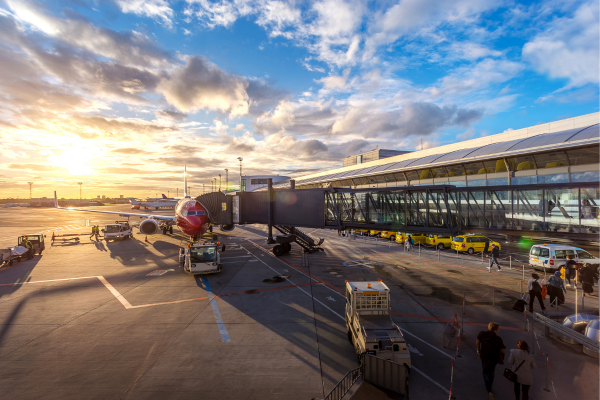
Mumbai’s airport capacity constraints are accelerating the movement of dedicated cargo operations to Navi Mumbai International Airport (NMIA), with limited availability of ad-hoc slots at Chhatrapati Shivaji Maharaj International Airport (CSMIA) adding pressure on cargo operators to relocate services. The transition is taking place in August as CSMIA undertakes major airside infrastructure works and NMIA expands its international cargo operations.
The shift is being driven by both operational capacity limitations and planned reconstruction work at Mumbai airport. CSMIA has temporarily restricted dedicated freighter operations during infrastructure upgrades, while passenger flights and belly cargo operations continue. The restrictions are expected to remain in place until May 2027, prompting dedicated cargo carriers to identify alternative operating locations.
NMIA is emerging as the principal alternative for these services. The airport operator is targeting a complete transition of dedicated freighter operations from Mumbai to Navi Mumbai by 26 August. Several international cargo operators have either shifted or are preparing to shift services, with the airport building its network across Asia, Europe and West Asia.
The new airport received its first dedicated international freighter on 16 August, when Hong Kong Air Cargo operated an Airbus A330-200F service from Hong Kong. The carrier is scheduled to operate three weekly flights between Hong Kong and NMIA, resulting in six weekly cargo movements, with the aircraft capable of carrying about 60 tonnes of import and export shipments.
The Hong Kong service followed the launch of NMIA’s first dedicated freighter operation on 1 August, when IndiGo Cargo operated a service to Sharjah carrying about 20 tonnes of goods. The airport had earlier commenced international passenger operations with an Air India Express service to Abu Dhabi on 15 July.
NMIA is now expecting 13 new freighter services as part of its international cargo expansion. Applications and approvals cover destinations including Chengdu, Bangkok, Taipei, Kuala Lumpur, Singapore, Abu Dhabi, Doha, Frankfurt, Istanbul, Dubai, Amsterdam, Bahrain, Paris and Riyadh. The expansion is intended to establish direct links between the airport and major international trade and logistics centres.
The shift also reflects the growing operational limitations at Mumbai airport. The Loadstar reported that cargo airlines were reorganising their services through NMIA in response to restrictions at CSMIA, which has faced capacity pressures for some time. Dedicated freighter activity at Mumbai has been affected by airside improvement works, making an alternative airport necessary for carriers that operate all-cargo aircraft.
For cargo operators, the transition involves more than moving aircraft between two airports. Ground handling, customs processing, trucking arrangements, freight-forwarding networks and staff deployment must also be aligned with the new operating location. The relocation therefore represents a wider adjustment for Mumbai’s established air cargo ecosystem.
NMIA is developing its cargo infrastructure in phases, with facilities designed for domestic cargo, international express shipments and specialised freight. The airport is positioning itself as a logistics and trade gateway for Maharashtra and western India as more cargo operators move services to the facility.
With CSMIA’s dedicated freighter restrictions continuing through the infrastructure works and NMIA adding international services, the redistribution of Mumbai’s cargo traffic is gathering pace. The availability of slots and operating capacity at the two airports is consequently becoming an increasingly important factor in determining where airlines base their dedicated freighter services.
Advertisement













 Facebook
 Whatsapp
