Advertisement






What really powers the cloud? Behind every Google search, A...
A lot of what defines a home isn’t visible at handover. I...
Private equity has played a significant role in shaping Indi...
Luxury real estate is one of the most talked-about segments ...
Airports play a much bigger role than just enabling travel -...
The West Bengal government has expedited land acquisition for the Chalsa–Naxalbari railway line, a strategically important project located near the India-China-Bhutan tri-junction. Authorities have approved the transfer of around 380 hectares of land to facilitate construction of the corridor, which is expected to strengthen rail connectivity in North Bengal. Besides improving regional transportation, the project is considered significant for enhancing logistics and strategic mobility in the sensitive Doklam region, close to India's northern borders.
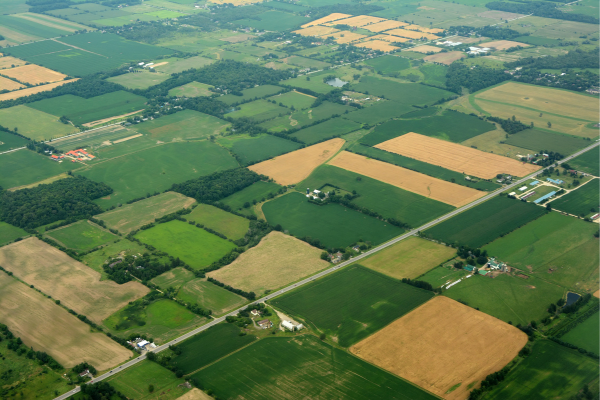
The West Bengal government has stepped up land acquisition for the proposed Chalsa–Naxalbari railway project, clearing a major hurdle in the development of a strategically significant rail corridor near the India-China-Bhutan tri-junction. The project is expected to improve connectivity across North Bengal while strengthening transport infrastructure in one of India's most sensitive border regions.
According to officials, approximately 380 hectares of land have been identified for acquisition to facilitate construction of the new railway line. The accelerated acquisition process is intended to keep the project on schedule and enable faster execution of the corridor, which will pass through key areas of Jalpaiguri district before connecting with existing railway infrastructure.
The proposed rail link is located close to the Doklam plateau, an area that has gained strategic importance following past border tensions between India and China. Improved railway connectivity is expected to support quicker movement of passengers, goods and essential supplies while enhancing logistical capabilities in the region.
Apart from its strategic relevance, the railway project is also expected to benefit local communities by improving access to transportation, markets and public services. Enhanced rail connectivity could support economic activity across North Bengal, particularly in tea-growing regions and tourism destinations, while providing an additional transport option for residents.
The Chalsa–Naxalbari corridor forms part of broader efforts to strengthen railway infrastructure in India's border states. The Centre and Indian Railways have increasingly focused on expanding connectivity in strategically important regions through new rail lines, road projects and multimodal infrastructure aimed at improving both civilian mobility and national preparedness.
Officials indicated that completion of land acquisition remains a priority before large-scale construction begins. Once operational, the railway line is expected to improve regional integration, reduce travel constraints in North Bengal and contribute to long-term infrastructure development in an area that holds both economic and strategic significance for the country.
Advertisement













 Facebook
 Whatsapp
